
Foreign-born Leaders Revitalizing Japan’s Rural Mountain Communities
Episode 3: Connecting Communities Across Borders
Disaster, Diaspora, and Local Action
In the aftermath of the 2015 earthquakes in Nepal, information about the devastation in rural mountain communities was not widely covered by international media, which tended to focus on the capital and well-known tourist regions.
However, mobile phones were already widely used across Nepal at the time. Survivors in affected villages were able to communicate directly with family members and friends living abroad, sharing details of the damage and seeking assistance.
Shortly after the earthquake struck, Dhalma began receiving messages from relatives and acquaintances in his hometown of Lisank Village. Fortunately, his immediate family members were safe and their home had not suffered major damage. However, roads connecting the village to the nearest main highway had collapsed in multiple locations, and many homes belonging to friends and neighbors had been destroyed.
Dhalma’s family owned relatively large agricultural landholdings in the area, and the Lama lineage had long played a significant role as spiritual leaders within the Tamang community. He felt a strong sense of responsibility to respond.
Yet as an individual, there was little he could do alone.
He therefore reached out to Ms. Kawabuchi, the director of a Toyama-based NGO called as Asia’s Dream for Children, which provides support in disaster-affected areas both within Japan and abroad. Although they had no prior personal connection, Dhalma established the Toyama–Nepal Cultural Exchange Association, creating a platform through which assistance could be directed.
“I couldn’t simply ask for help for my own family or village,” he explains. “So we created an organization that could serve as a recipient for support.”
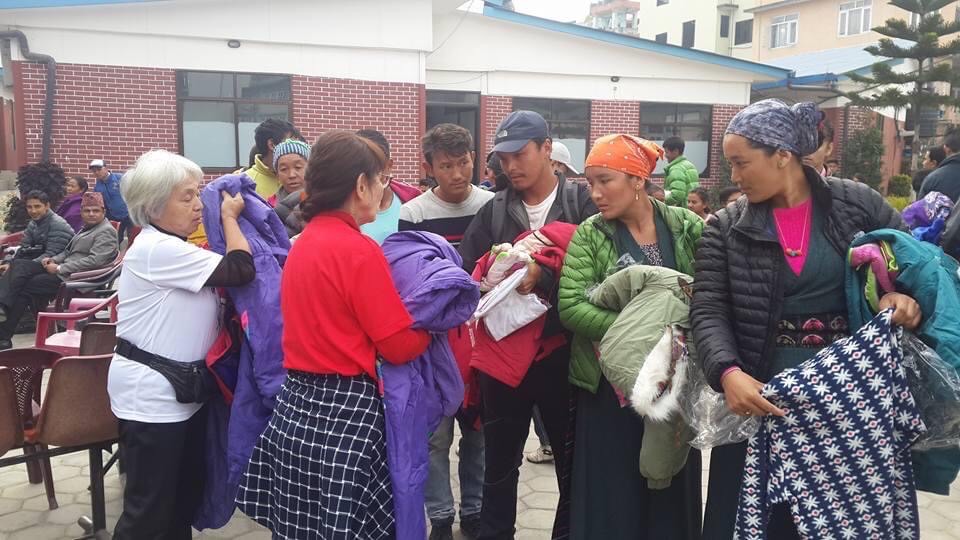
Ms. Kawabuchi responded immediately. Within a week, emergency relief supplies that were difficult to obtain locally — such as tarpaulins — were prepared in Japan. Accompanied by members of the NGO and several Nepalese residents in Toyama, Dhalma traveled to Kathmandu to coordinate their delivery.
His elder brother had already arranged transportation to their home district.
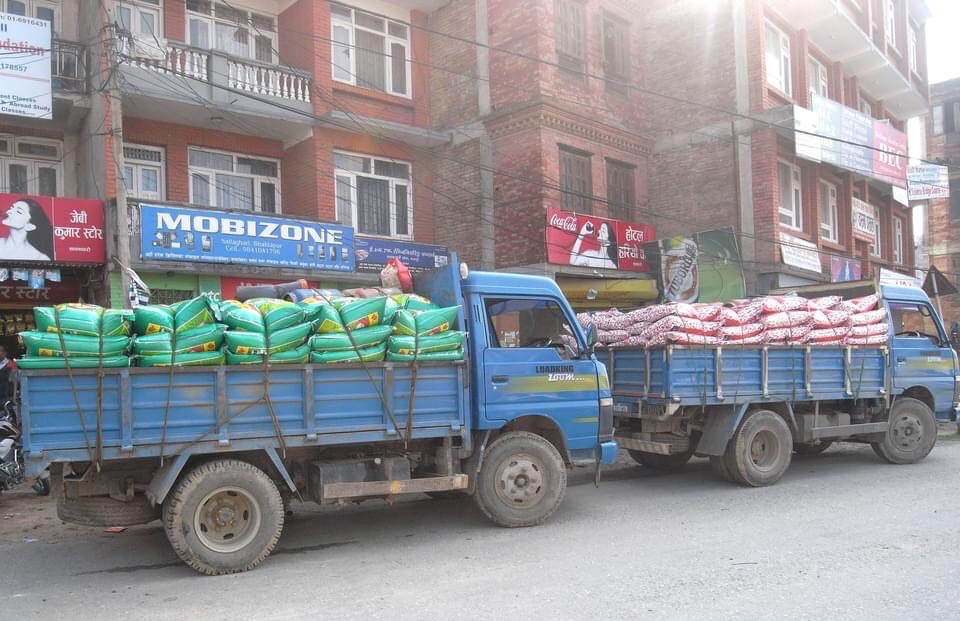
“Our approach is somewhat unconventional,” Ms. Kawabuchi notes. “We are a small organization, so rather than waiting for formal procedures, we focus on delivering support quickly to areas that are often overlooked by governmental assistance.”Dhalma had anticipated that the Nepalese government would face challenges in providing timely support to rural areas. Indeed, a report released in April 2017 indicated that nearly 90 percent of the approximately US$4.1 billion in reconstruction funds provided by foreign governments and international organizations had yet to be disbursed.
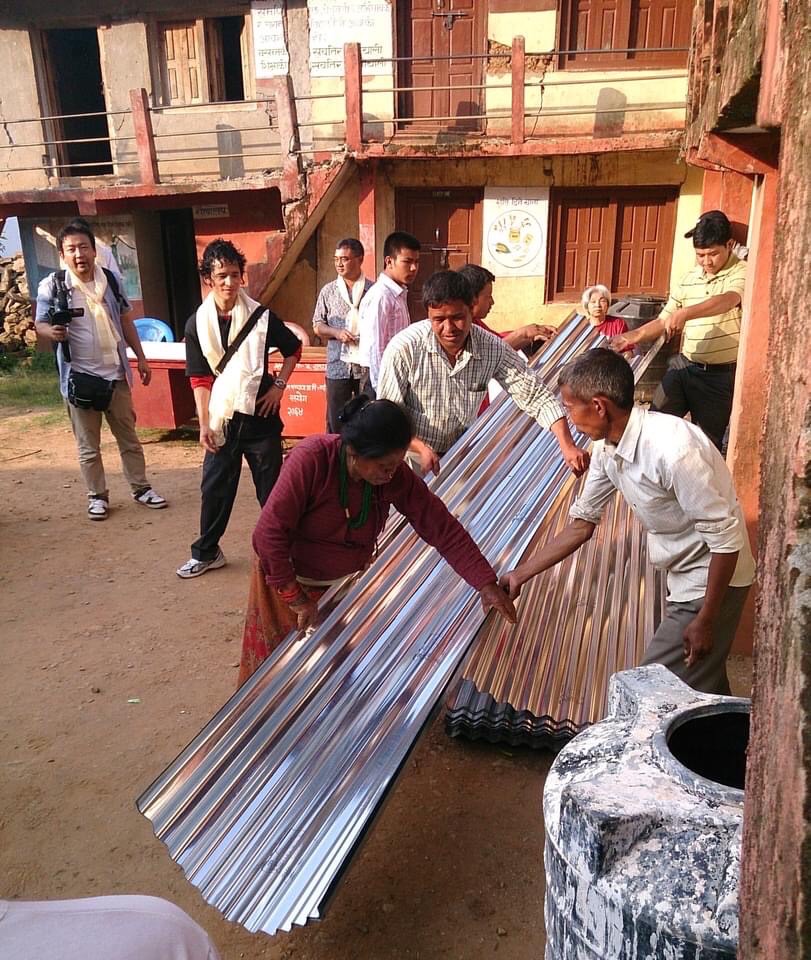
The support provided by Asia’s Dream for Children extended beyond emergency relief. Through discussions with local residents, it was agreed that materials required for repairing the road connecting Lisank Village to the main highway would be provided on the condition that villagers would carry out the reconstruction work voluntarily.
Approximately two years later, members of the NGO returned to the village to assess the progress of the recovery effort — a visit that I accompanied in November 2016.Following the initial relief activities, Dhalma remained closely involved in the reconstruction project while maintaining regular communication with Lisank Village. Over time, he began to consider how the connections that had been formed between communities in Toyama and Nepal might be transformed into more sustained, everyday exchanges.
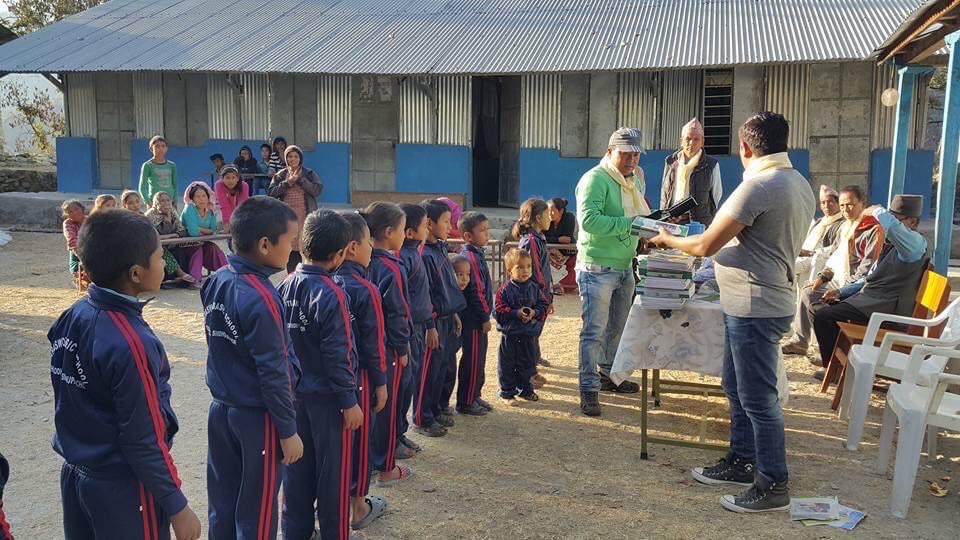
Around the time Dhalma moved to Japan in 2005, Nepalese residents were still relatively uncommon in rural regions such as Toyama. However, their numbers began to grow rapidly in the following years. Many were young workers employed by small and medium-sized enterprises, often with limited opportunities to interact with local Japanese residents.
Dhalma therefore decided to develop the Toyama–Nepal Cultural Exchange Association into a platform for fostering mutual understanding and integration within the local community.“I became the chair — although in reality, it mostly meant coordinating requests and handling various tasks,” he says. “Many of the people who supported us were those I had come to know through my work in agriculture.”
Related Topics
• Community-led Disaster Recovery in Mountain Regions
• Transnational Mountain Communities
• Diaspora Networks in Rural Revitalization
• Local-to-Local International Cooperation
• Cultural Exchange and Community Integration
Learn More
This episode highlights how informal networks and diaspora communities can play a critical role in supporting recovery and long-term resilience in remote mountain regions.
Related initiatives can be found in:
• Community-based Mountain Resilience
• Cross-border Cultural Exchange Programs
• Post-disaster Rural Reconstruction
