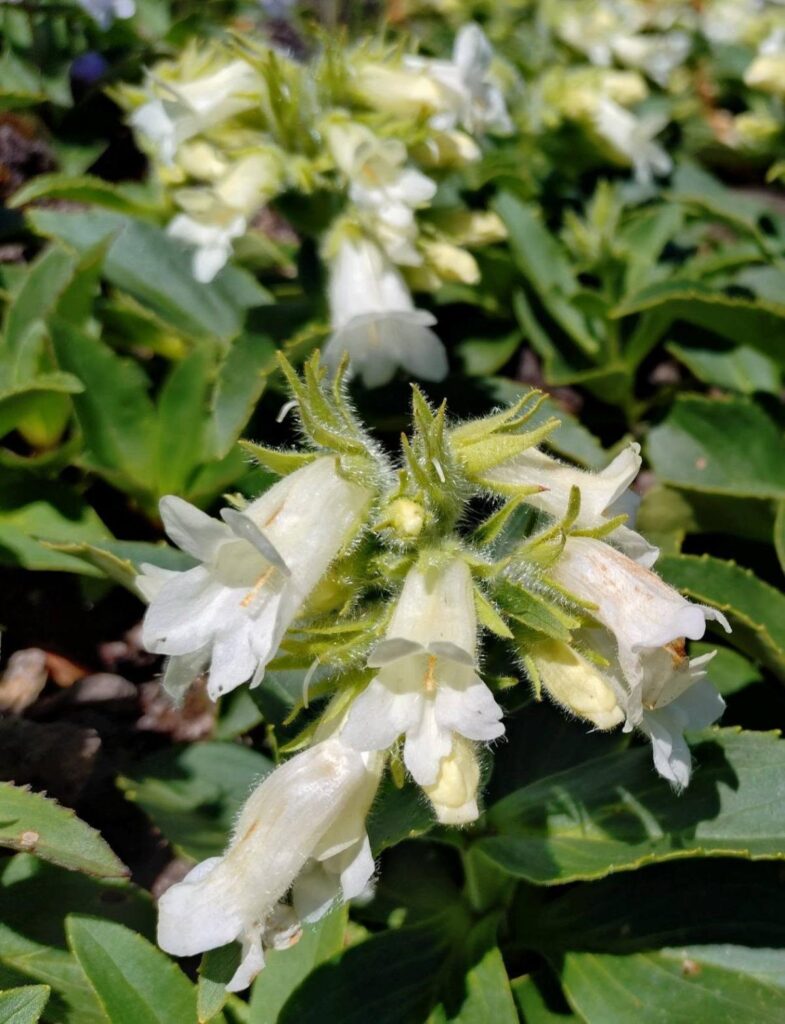
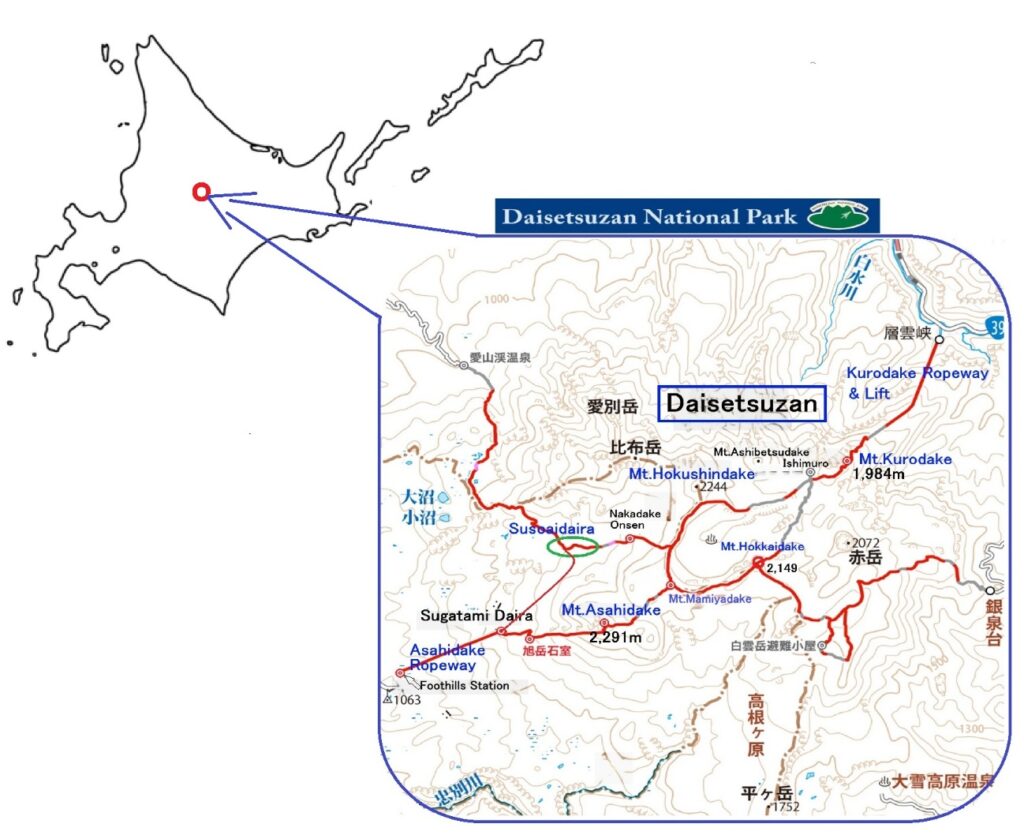
I took the Asahidake Ropeway and started walking from Sugatami Daira to the summit of Mt. Asahidake.
From there, I continued across Mt. Hokkai, reached Mt. Kurodake, then headed toward Mt. Hokuchin before descending via Susoaidaira.
A wonderfully luxurious circuit through the heart of Daisetsuzan.
The trail itself isn’t particularly difficult.
But there’s one problem.
The flowers keep calling out to you.
“I’m over here!”
“You took a picture of that one… Aren’t you going to take one of me, too?”
And just like that…
I kept telling myself to move on… but the flowers had other ideas.
Nine wonderfully happy hours among the flowers.
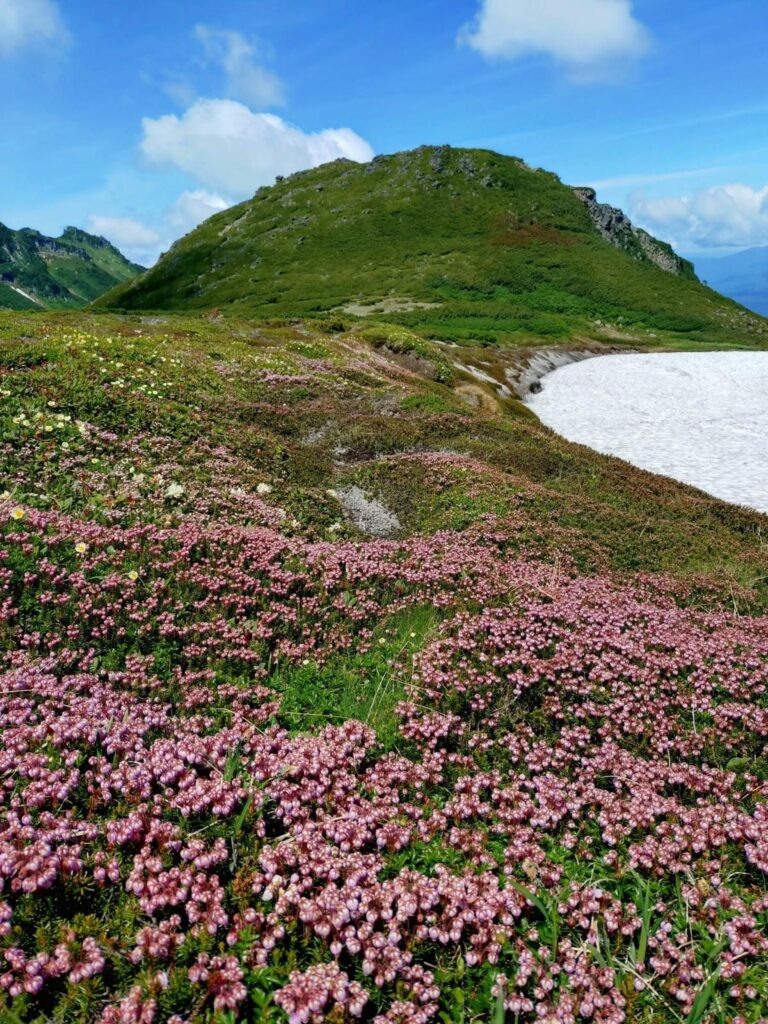
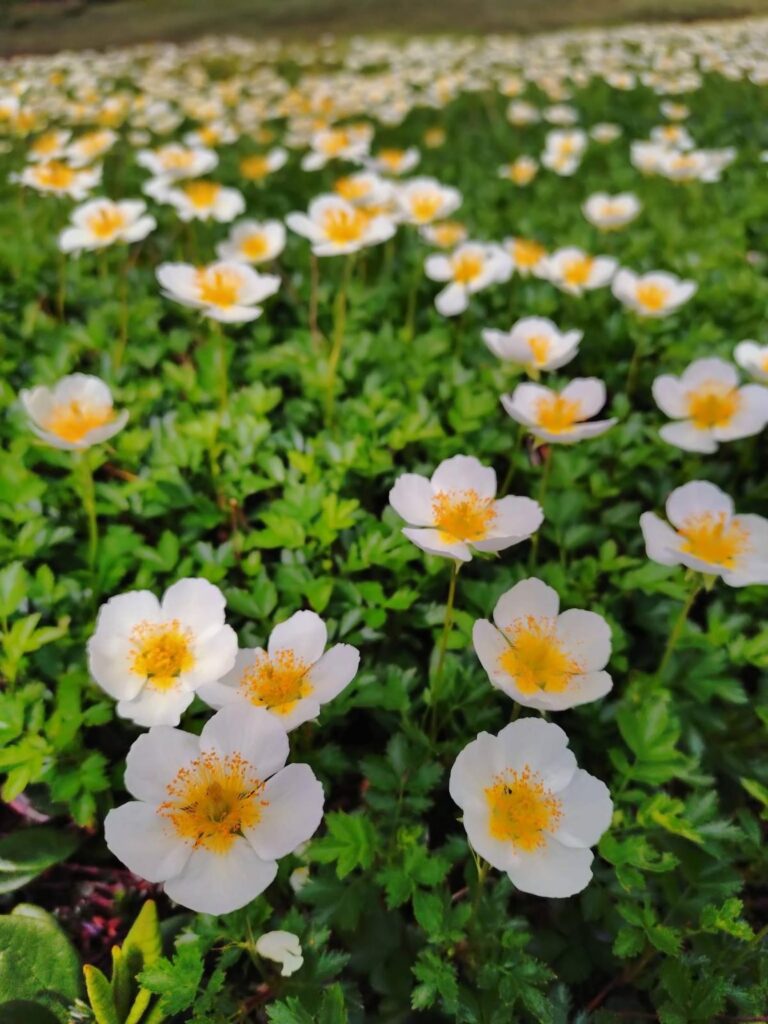
Koezo-tsugazakura (Hybrid Alpine Heather)
Born from a natural cross between Ezo-tsugazakura and Ao-no-tsugazakura, this lovely little flower creates some of the densest carpets of blossoms in Daisetsuzan.
To me, it’s one of the mountain’s most breathtaking floral displays.
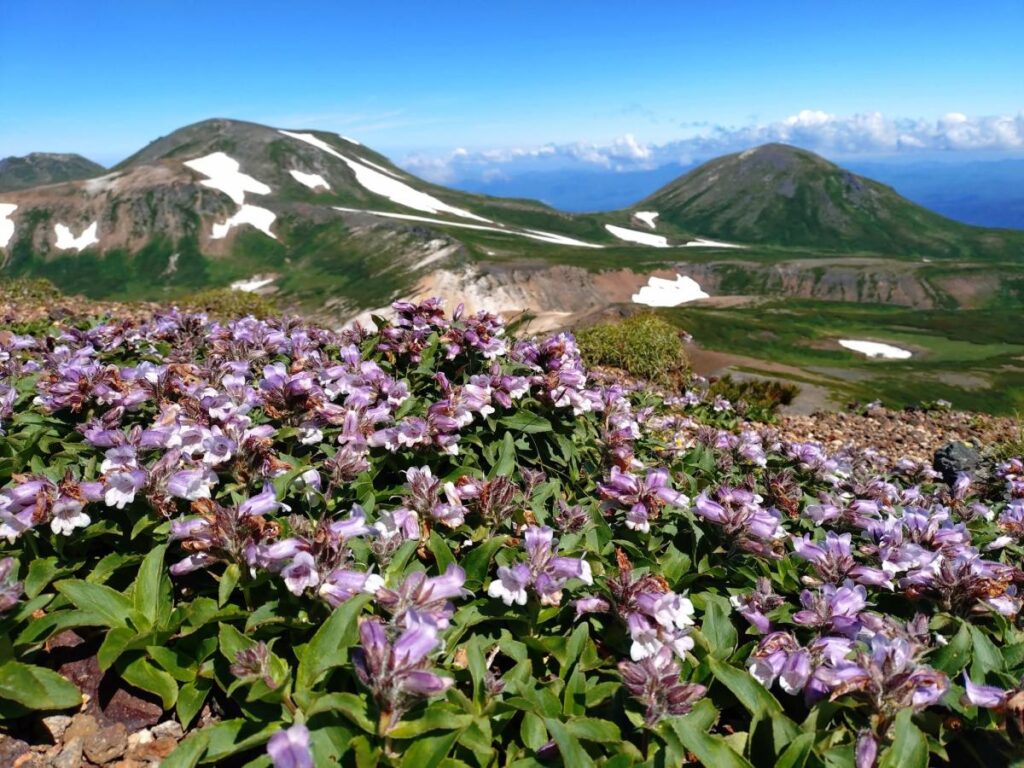
Iwabukuro (Purple Bellflower)
To me, this seems to be the flower you’ll see most often in Daisetsuzan at this time of year.
Everywhere I looked, there they were!
Koezo-tsugazakura, Chinguruma… and a perfect Hokkaido sky.
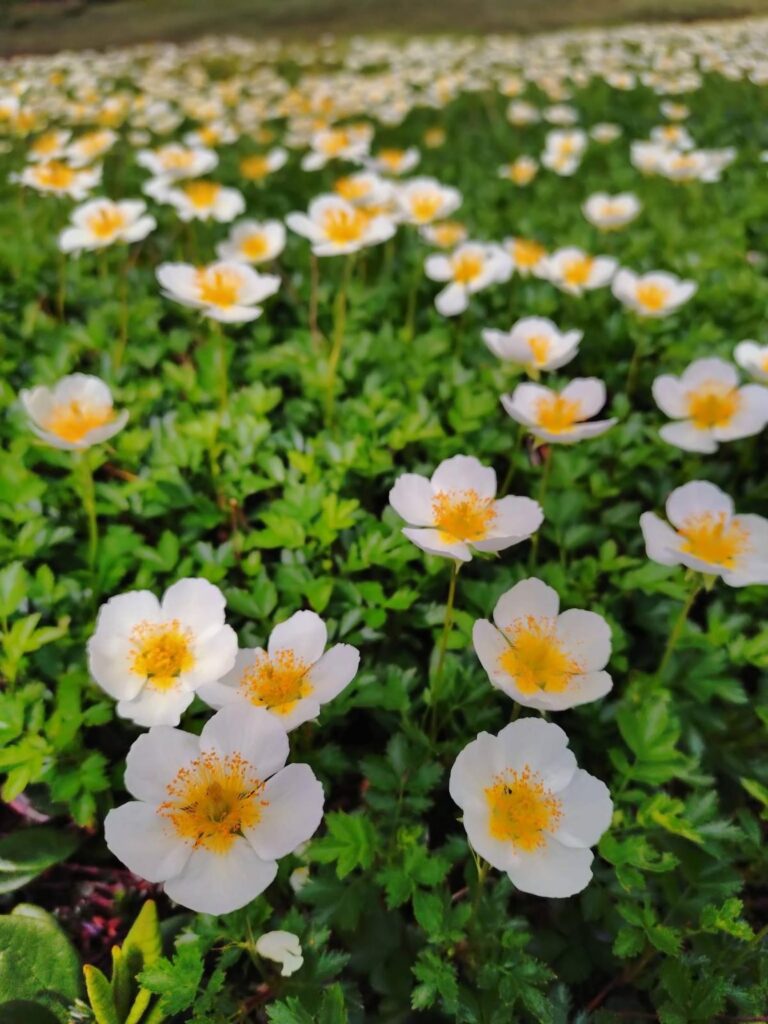
Everyone’s favorite — Aleutian Avens!
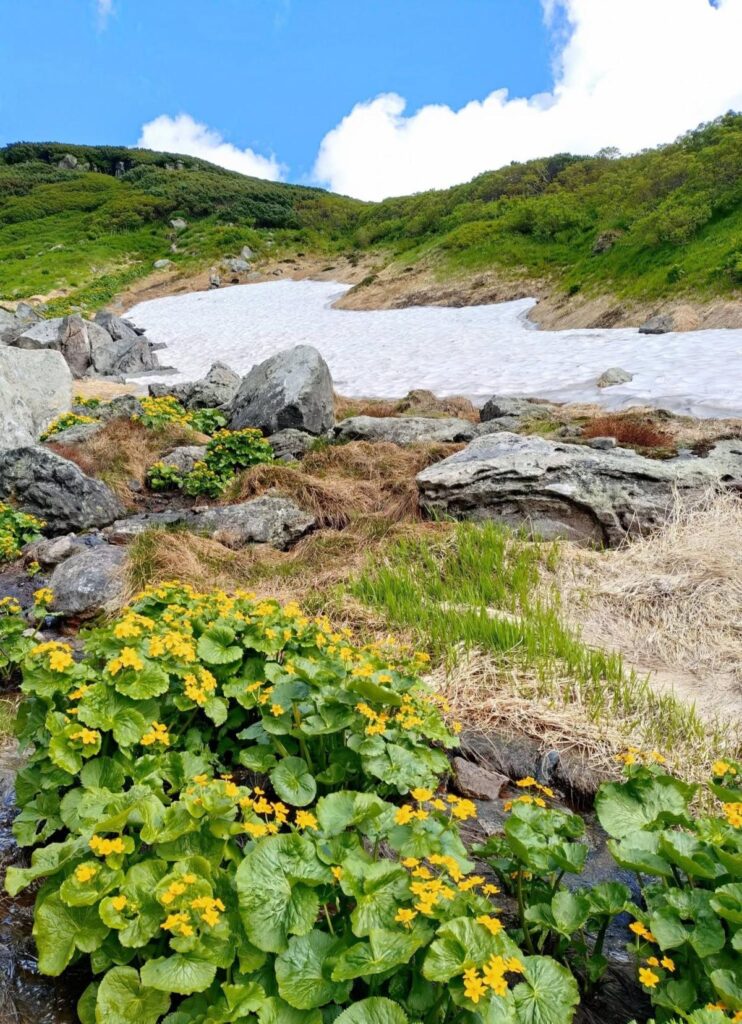
Ezo Marsh Marigold
A favorite spring edible… and still putting on a spectacular show.
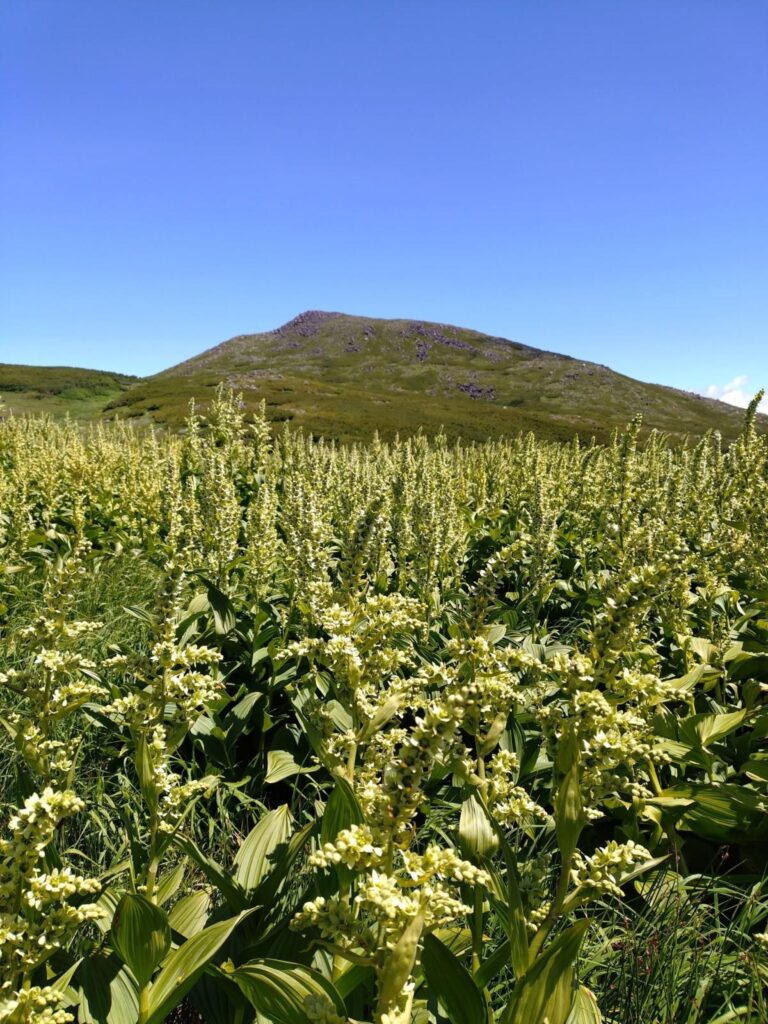
Miyama Baikeisō (Alpine False Hellebore)
I couldn’t help letting out a little squeal!
I’d never seen such a spectacular carpet of flowers.
In Daisetsuzan, these are generally regarded as Miyama Baikeisō.
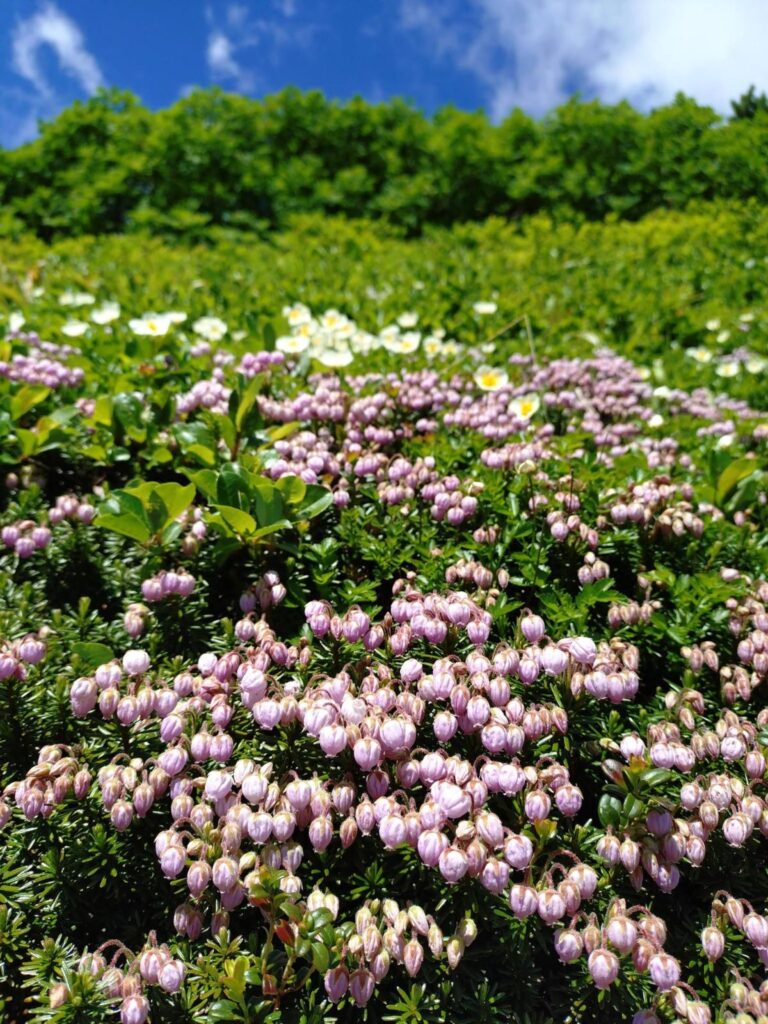
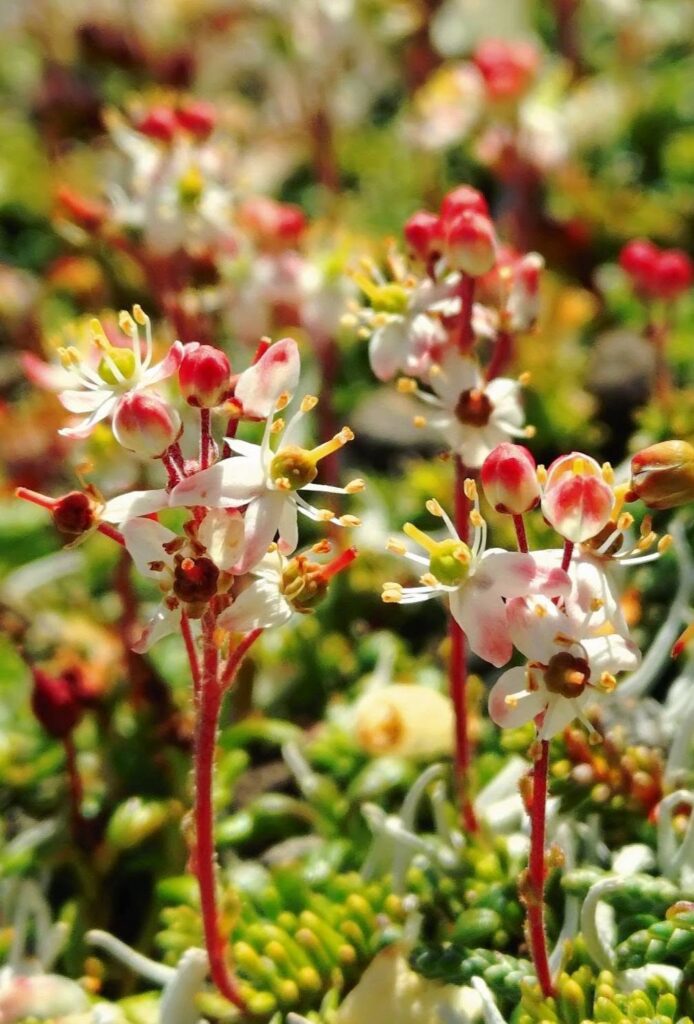
Chishima-tsugazakura
These cheerful little flowers remind me of a lively summer festival.
Tiny dancers everywhere… I could almost hear the festival music playing.
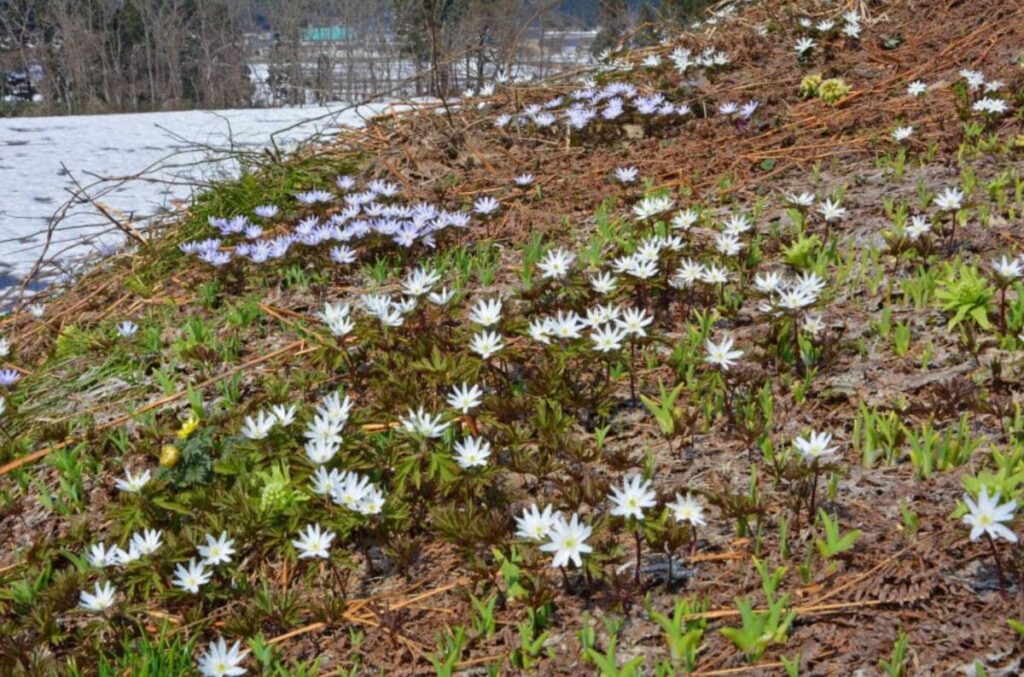
Episode 2 Spring Ephemerals — The Vanishing Flower Gardens of Early Spring
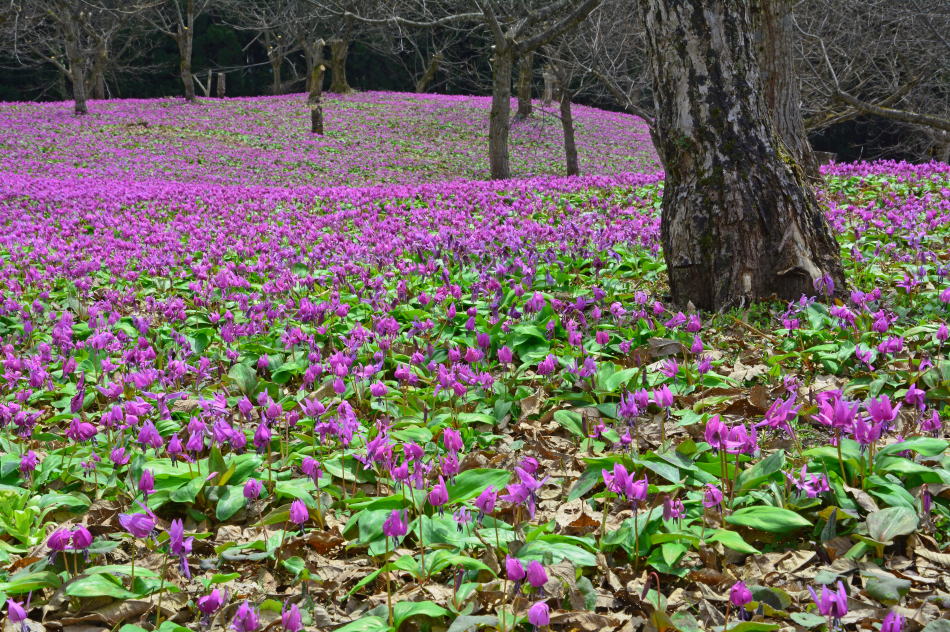
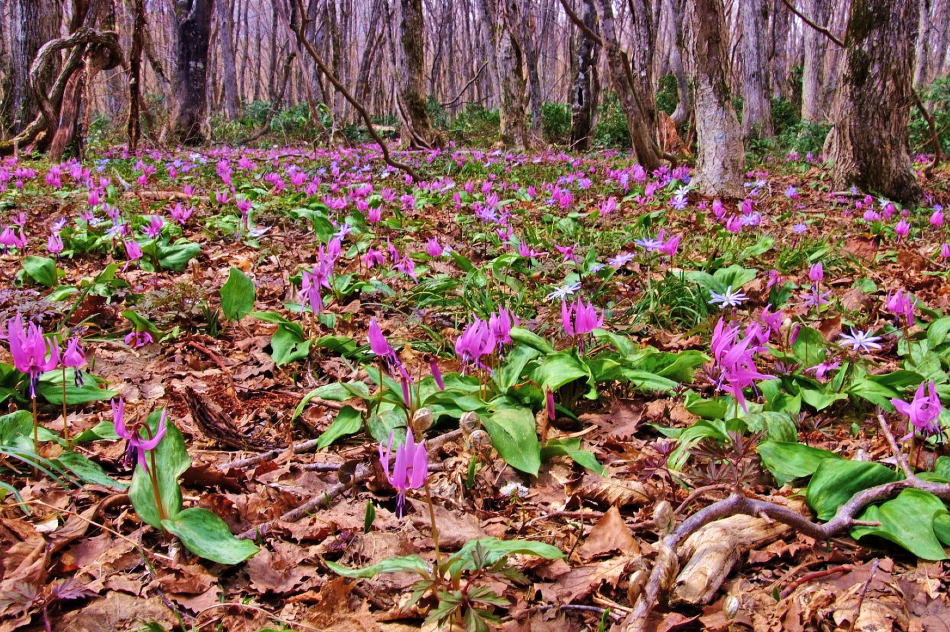
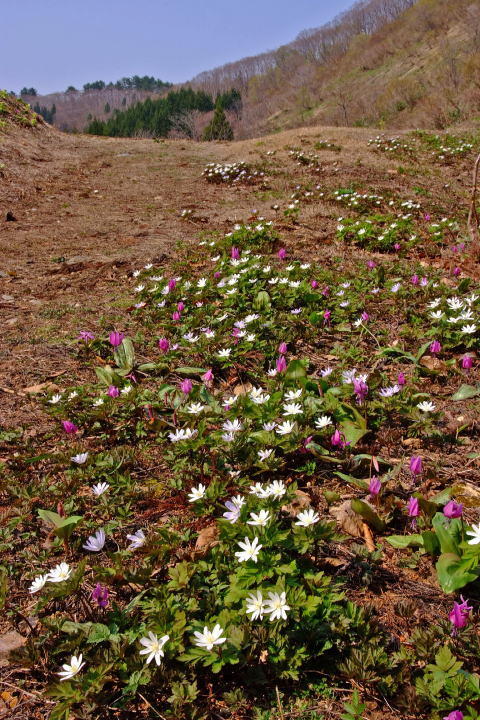
In forests where the snow has just melted, flower gardens suddenly appear.
And yet, they exist for barely two weeks.
In the mountains of spring, one occasionally encounters such dreamlike scenes.
Surprisingly, these flower gardens are often found not in remote alpine regions, but in low mountains close to human settlements — beneath deciduous woodlands and along small mountain streams.
The farther north one travels, especially into snowy regions, the larger these colonies become, and the more vigorously the flowers bloom.
Their brief season begins only a few days after the snow melts and lasts until the cherry blossoms begin to flower.
During this narrow window of time, the plants rapidly send up shoots and bloom all at once — even before fully spreading their leaves — creating the illusion that entire flower gardens have suddenly emerged from the forest floor.
But once flowering ends, taller grasses and newly leafed trees quickly overtake them, and the forest returns to an ordinary thicket of green.
Many of these flowers produce seeds almost immediately after blooming, and within only one or two months, their leaves and stems disappear completely underground.This remarkable group of plants is known as “Spring Ephemerals ”— the “fairies of spring.”
Photographed in Nishiwaga Town
The Hidden Lives of Spring Ephemerals
Although they are often called “spring fairies,” these plants are, in reality, astonishingly patient forms of life.
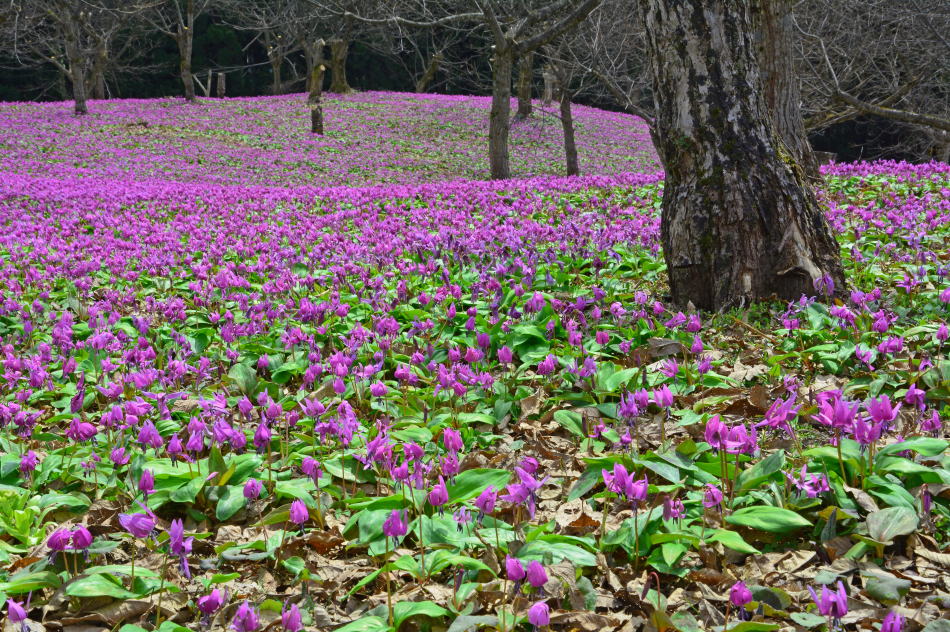
The katakuri (Erythronium japonicum), perhaps the best-known spring ephemeral in Japan, may require nearly ten years to bloom from seed.
After that, it can continue flowering for decades.
In other words, we merely witness a fleeting two-week appearance in a lifespan that may span generations.
Spring ephemerals include plants such as katakuri, anemones (Ichige species), adonis (Fukujusō), corydalis (Engosaku), amana lilies, and kobaimo species.
They emerge only during the brief early-spring period when sunlight still reaches the forest floor before the canopy closes.
They appear suddenly, bloom quickly, set seed, and vanish just as fast.
Yet they are not annuals.
Even after their above-ground parts wither away, their underground rhizomes and bulbs remain alive, quietly waiting for the following spring.
Their lives are not truly fragile at all.Rather, they are masters of patience and timing.
Photographed in Higashinaruse Town
Kikuzaki Ichige and Katakuri
When speaking of spring ephemerals, most people immediately think of katakuri.
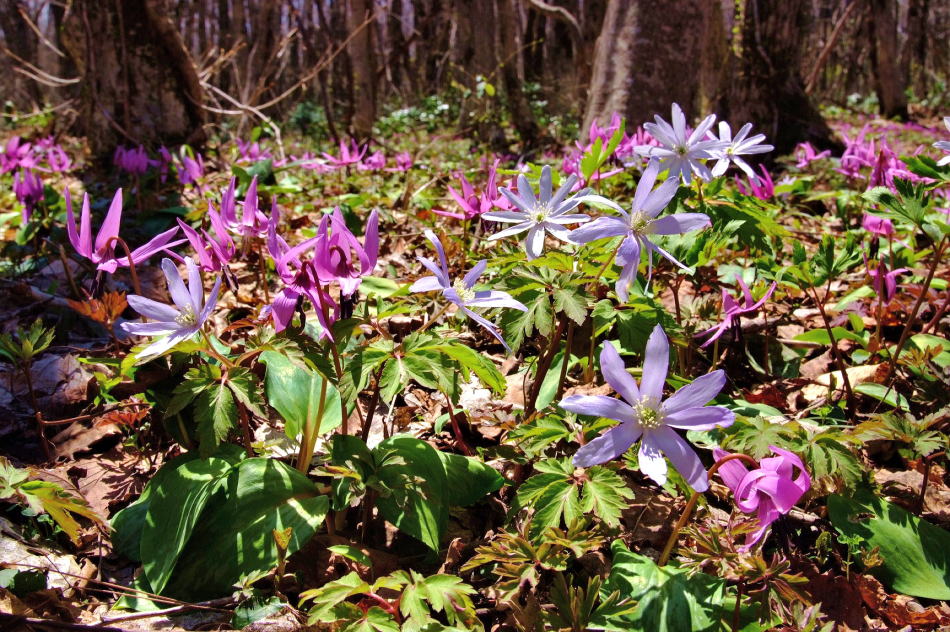
But in northern regions such as Akita and Iwate, one encounters Kikuzaki Ichige (Anemone pseudoaltaica) just as frequently — perhaps even more so.
Its flowers appear in two forms: pure white and pale bluish violet.
In some places they intermingle with katakuri, while in others they spread across the forest floor like a floral carpet of extraordinary beauty.
Katakuri and Kikuzaki Ichige in Nishiwaga Town.
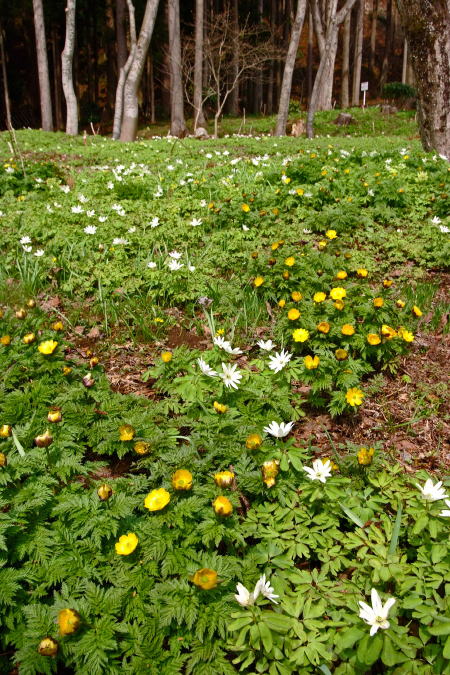
Azuma Ichige, Fukujusō, and Engosaku
Azuma Ichige closely resembles Kikuzaki Ichige and is often mistaken for it.
However, it can be distinguished by the shape of its involucral leaves, which are more elongated and softly textured, and by the faint reddish tint on the reverse side of its white sepals.
There are even mountains where Azuma Ichige covers the forest floor almost entirely.In such places, Fukujusō and katakuri bloom together in quiet harmony.
A mountain flower garden where Fukujusō and katakuri bloom together
Flower Gardens Sustained by Human Hands
Yet these flower gardens do not exist entirely untouched by human influence.
By cutting back dwarf bamboo, tending the woodland, and continuing to care for the forest, people have helped preserve these spring landscapes for generations.
In this woodland, volunteers regularly clear the undergrowth.
Without such efforts, maintaining large colonies of katakuri would likely be impossible.
The Katakuri Gardens of Nishiki, Semboku City
This famous katakuri colony was originally a chestnut-growing area.
Local people say that while clearing bamboo grass and undergrowth to cultivate better chestnuts — and enriching the soil with compost — katakuri gradually increased on its own until the forest floor became covered in flowers.In that sense, this magnificent colony may be described as an entirely human-shaped landscape.
Other Companions of the Spring Forest
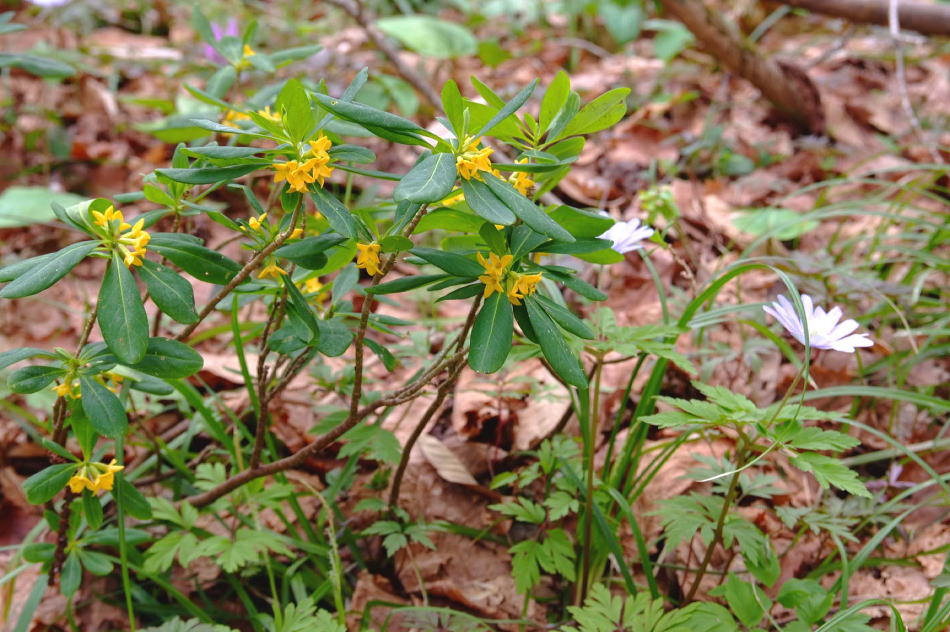
1. Naniwazu
Naniwazu (Daphne pseudo-mezereum subsp. jezoensis) is a deciduous shrub of the daphne family.
It is closely related to Onishibari (Daphne pseudo-mezereum), which is more common in western Japan.Its vivid yellow flowers stand out brilliantly against the still-bare forest of early spring.
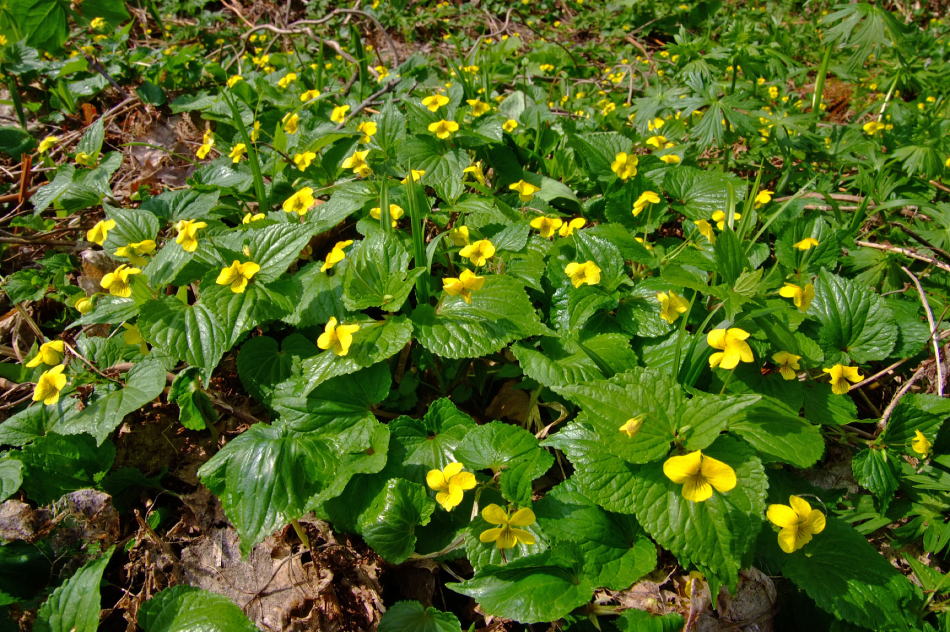
2. Violets
The large yellow violet (Ōbakisumire) sometimes forms enormous colonies on avalanche slopes in regions of heavy snowfall.
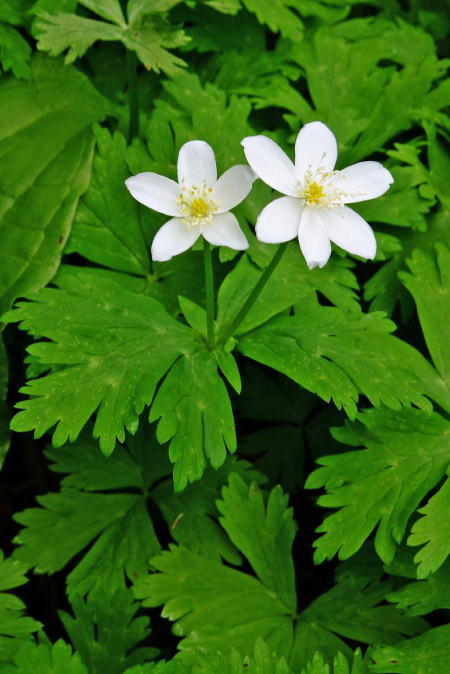
3. Nirinsō
Nirinsō (Anemone flaccida), celebrated in Japanese songs as flowers “leaning close together,” bloom slightly later than most spring ephemerals.
Rather than mixing with other species, they often form pure colonies along streams and moist woodland floors.
Epilogue
By around Golden Week in early May, the deciduous woodlands that nurtured these spring flowers begin to fill with fresh green leaves.
As the canopy closes, the forest floor grows dim.
Other plants rise quickly in the warming season, and the spring ephemerals quietly retreat from view.
In haste, they finish setting seed and withdraw their leaves and stems underground, disappearing once more beneath the forest floor.
Until the forest awakens again the following spring.
I believe I was in the second or third grade of elementary school.
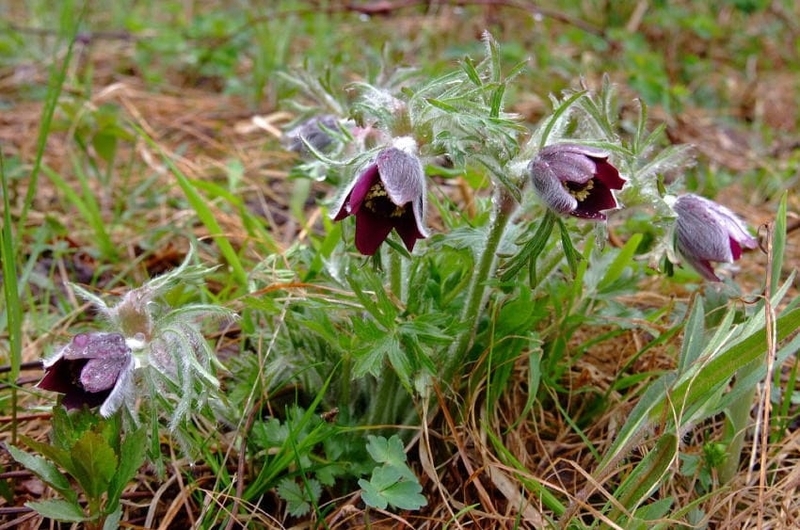
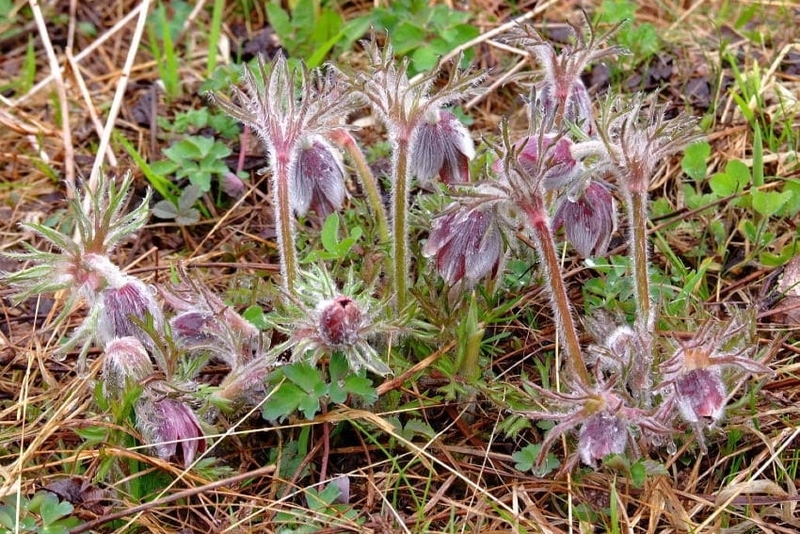
Near my family home in Yokote City, Akita Prefecture, I found several wild okina-gusa flowers blooming along a farm road. That encounter was what first drew me toward plants.
But by the following year, the flowers had disappeared.
Sixty years ago, okina-gusa could still be found growing casually along roadsides in rural Akita. Afterward, however, farmland consolidation and the concrete lining of irrigation channels rapidly transformed the landscape.
The contributor known as Mouzuika reflects, over the course of five essays, on a life shaped by plants — from childhood encounters with wildflowers to the years after retirement devoted to observing nature.
Mouzuika (Yuukou Saito)
Lives in Akita City.
He studied plant ecology at university. After graduation, he worked in a field unrelated to his academic specialty, yet his habit of observing flowers never faded.
Today, he walks through the mountains and fields of the Tohoku region, recording plants and landscapes on his blog under the name “Mouzuika.”
Wild Okina-gusa (Japanese pasqueflower)
Drawn to Spring Ephemerals
I was probably in the fifth or sixth grade of elementary school, around the mid-1960s.
Once I became old enough to ride a bicycle farther from home, I often visited relatives living near the foothills of Mt. Kurikoma and other mountains.
Walking through those mountain valleys in spring, I encountered flowers unlike anything I had seen near my home.
They bloomed in rich shades of crimson-purple, blue-violet, yellow, and white. Many spread across the forest floor in dense carpets of color.
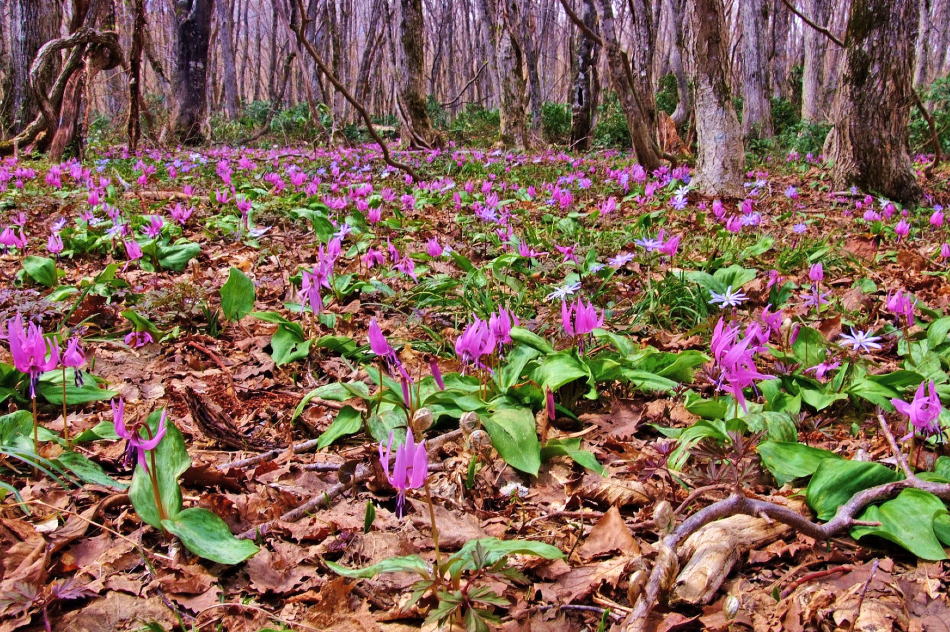
These were the plants now known as spring ephemerals — flowers such as katakuri lilies, wild anemones, and corydalis.I was completely captivated by those hidden spring gardens.
A carpet of blooming katakuri lilies
Much of my botanical knowledge had already been acquired through self-study before entering university.
Wanting to study plants more deeply, I enrolled in the Department of Biology at Yamagata University and specialized in plant ecology.
After graduation, however, I found work in a field unrelated to my academic training. At most, I occasionally enjoyed hiking with colleagues from work.
After retirement, I hoped to travel widely in search of alpine landscapes and mountain flowers. Yet family caregiving responsibilities and the COVID pandemic gradually led me to focus instead on the mountains of northern Tohoku — Akita, Aomori, Iwate, and Yamagata.
As a result, I began returning repeatedly to places that could be reached on day trips from Akita City.Today, I concentrate on searching for little-known landscapes and seasonal flower scenery hidden within that range.
Returning to the Same Places
I often revisit the same places again and again.
The way flowers bloom changes greatly depending on the year and the progression of the seasons.
I do not believe a flower can truly be understood through a single encounter — or a single photograph.
Even the same flowers and mountain landscapes reveal new discoveries every year.
Among the places I continue returning to, some views have become especially dear to me.
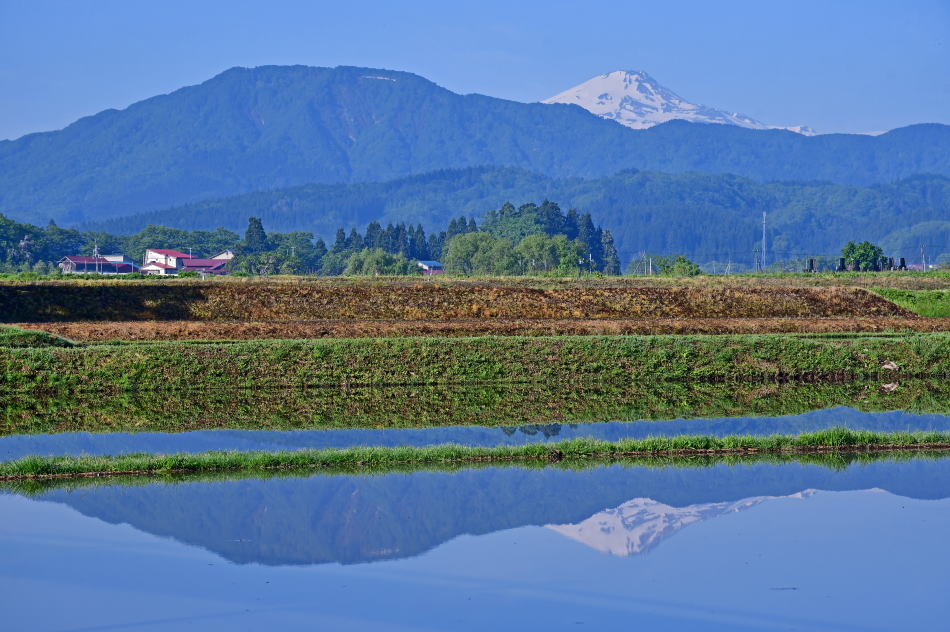
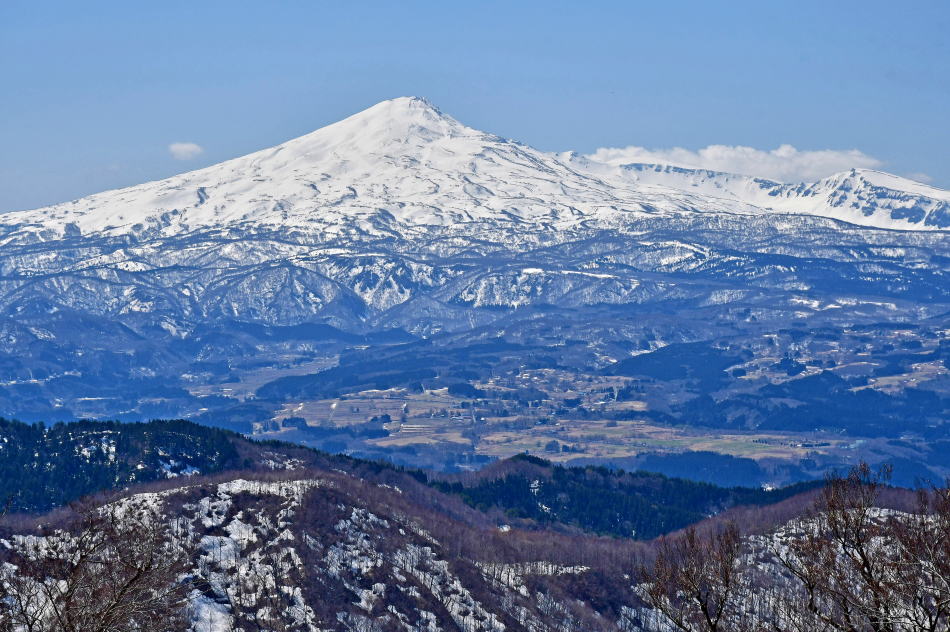
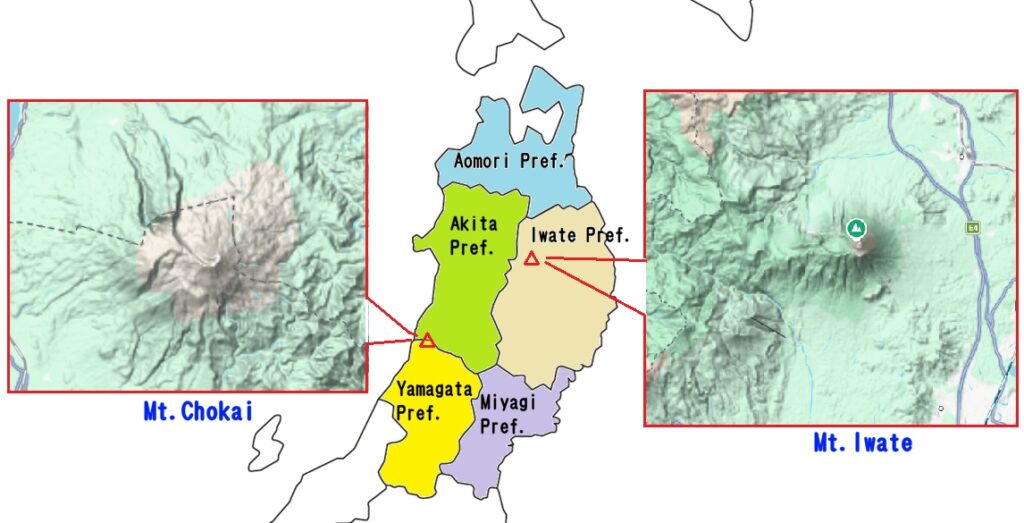
One of them is Mt. Chokai, particularly the view from Mt. Yashio, which remains one of my favorites.
Mt. Yashio (731 m, left) and Mt. Chokai (2,236 m, right) Viewed from Yurihonjo CityView of Mt. Chokai from Mt. Yashio
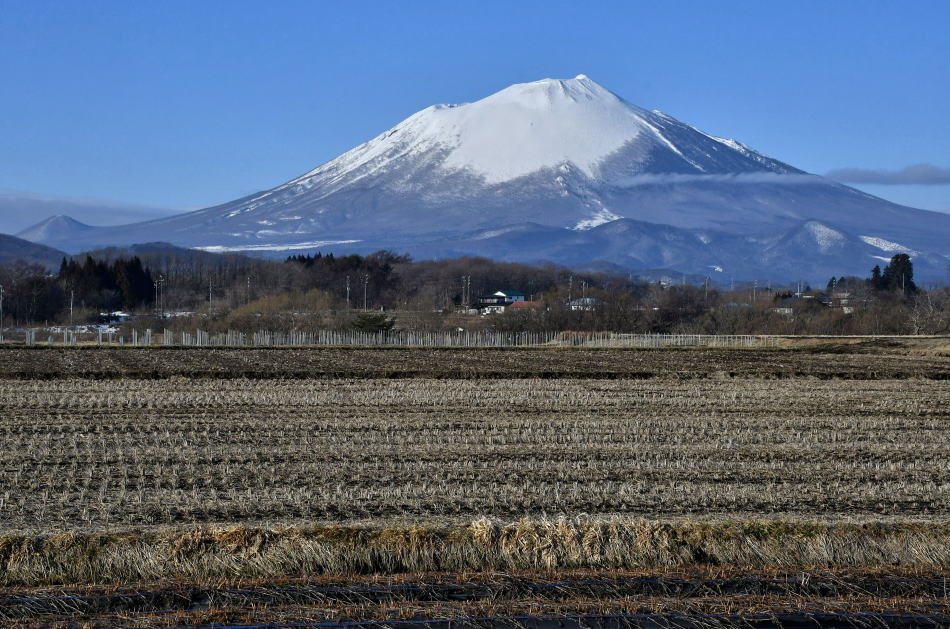
I am also fond of lesser-known views of Mt.Iwate.
Mt. Iwate(2,038m)
Perhaps leaving these records behind is a kind of proof that I lived.
Still, blogs and websites will probably vanish into digital debris once their creators are gone.And since around 2024, the increasing presence of bears and the rapid decline of my own physical strength have made serious mountain climbing more difficult than before.
#Japan Mountain Foundation #Spring Ephemerals #Akita Prefecture #Mt.Chokai #Mt.Iwate
Part 3 – Inside the Process Inside the Process of Woodblock Printing
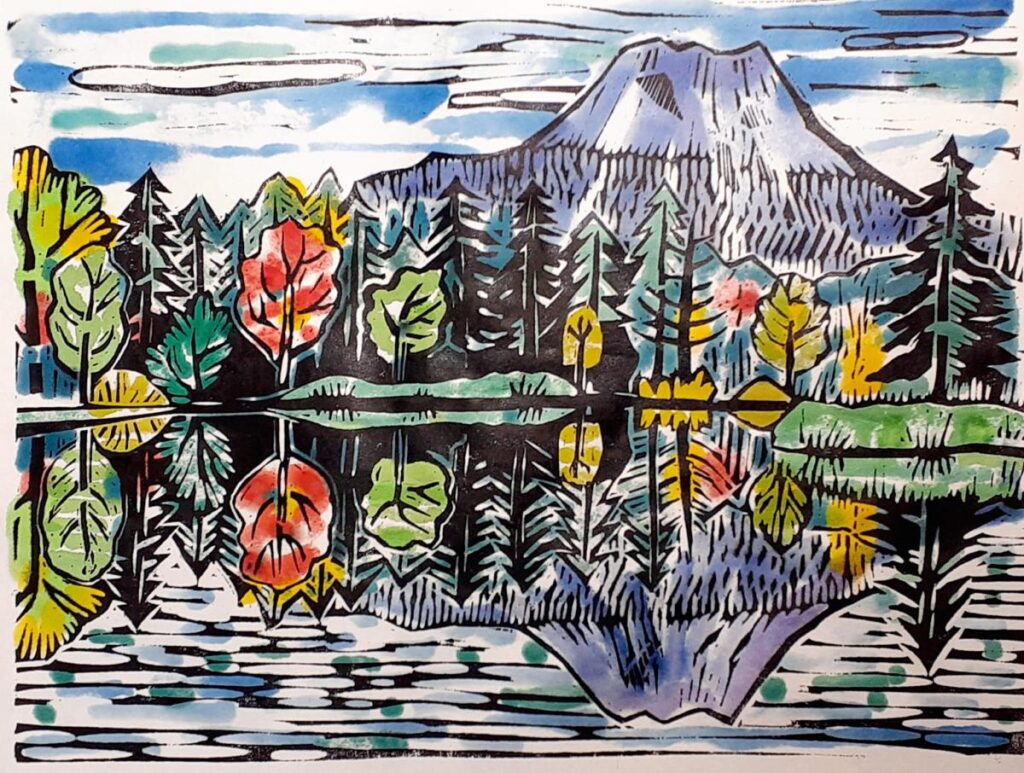
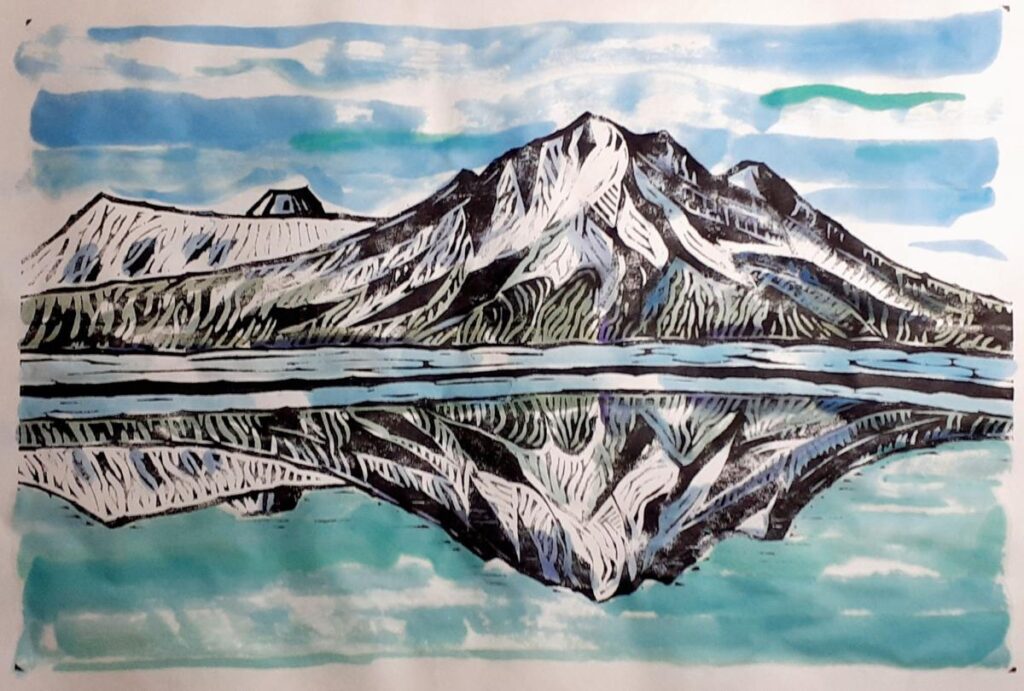
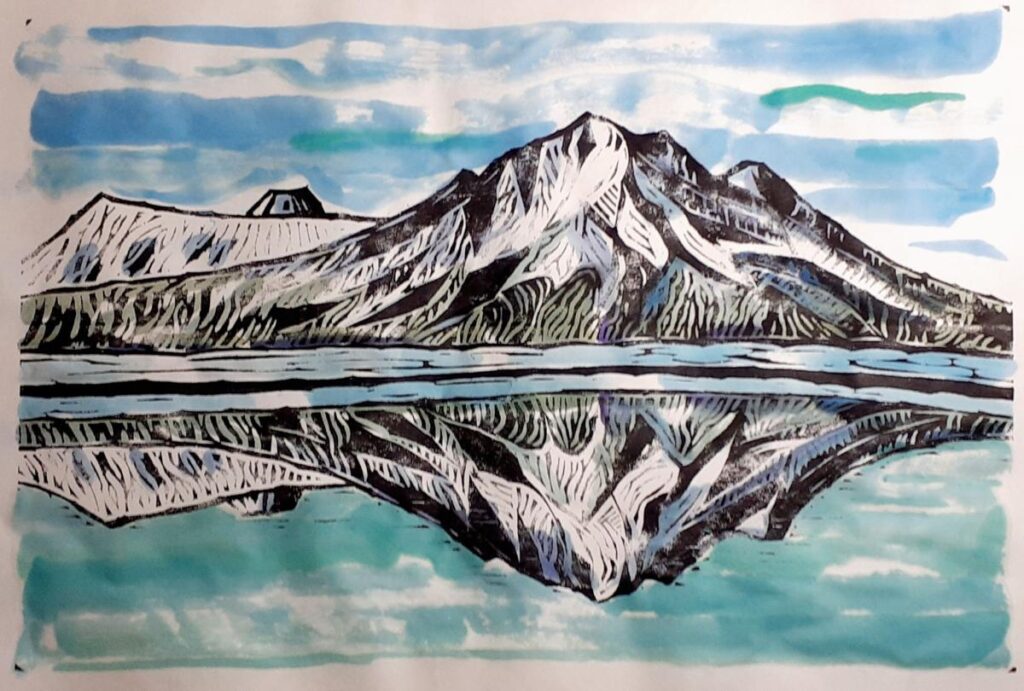
We are pleased to introduce the world of woodblock prints by Tatsuya Nitta, an artist based in Hokkaido.
Nitta spends his days among the mountains of Hokkaido—climbing, descending, and carving woodblock prints inspired by the landscapes around him.
In this third installment, we take a closer look at how he creates his woodblock prints. Here, we follow him into the mountains, where he begins with sketching in the field.
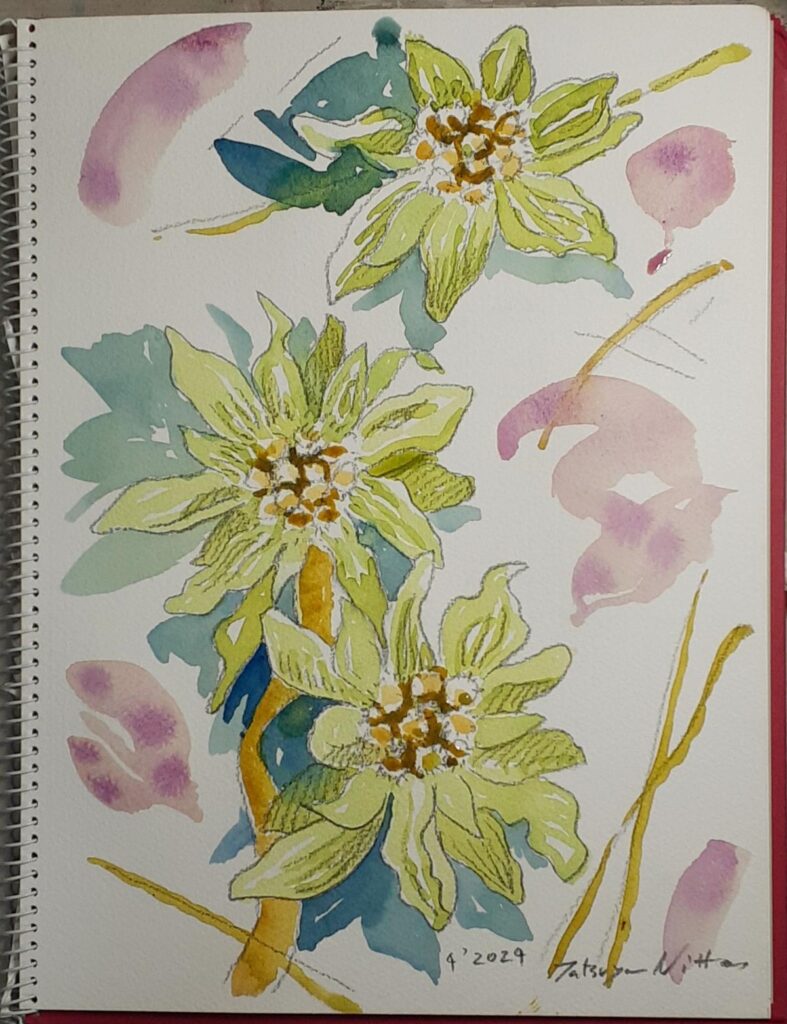
Sketch
May 2, 2024
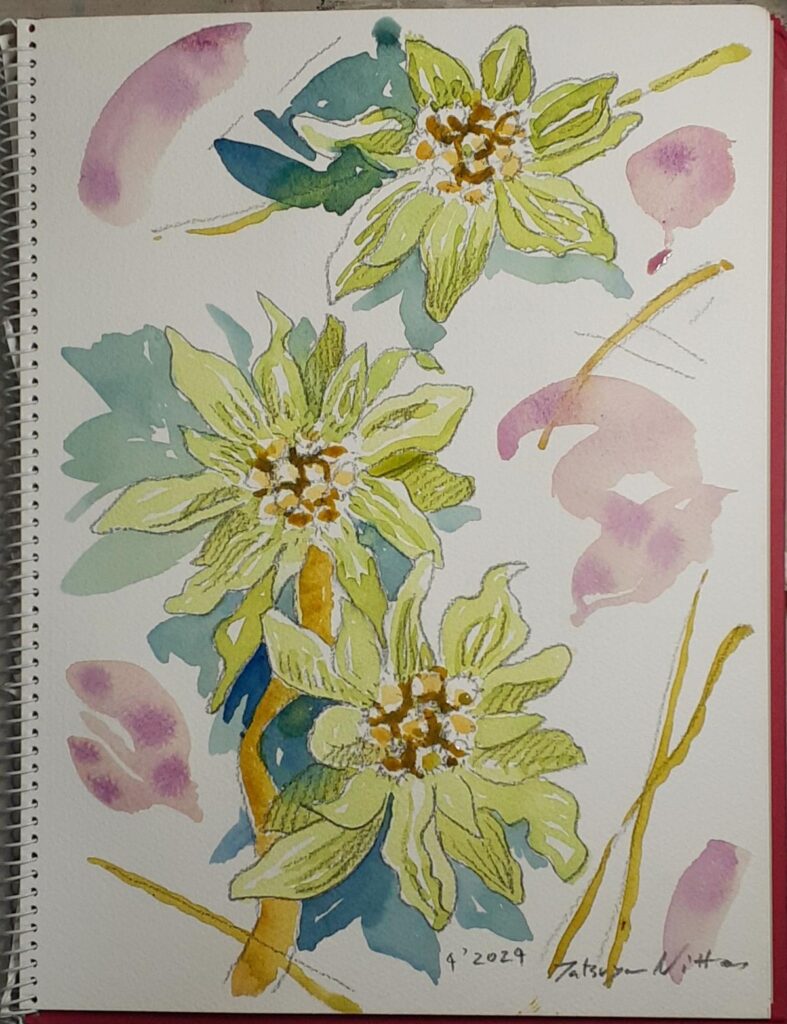
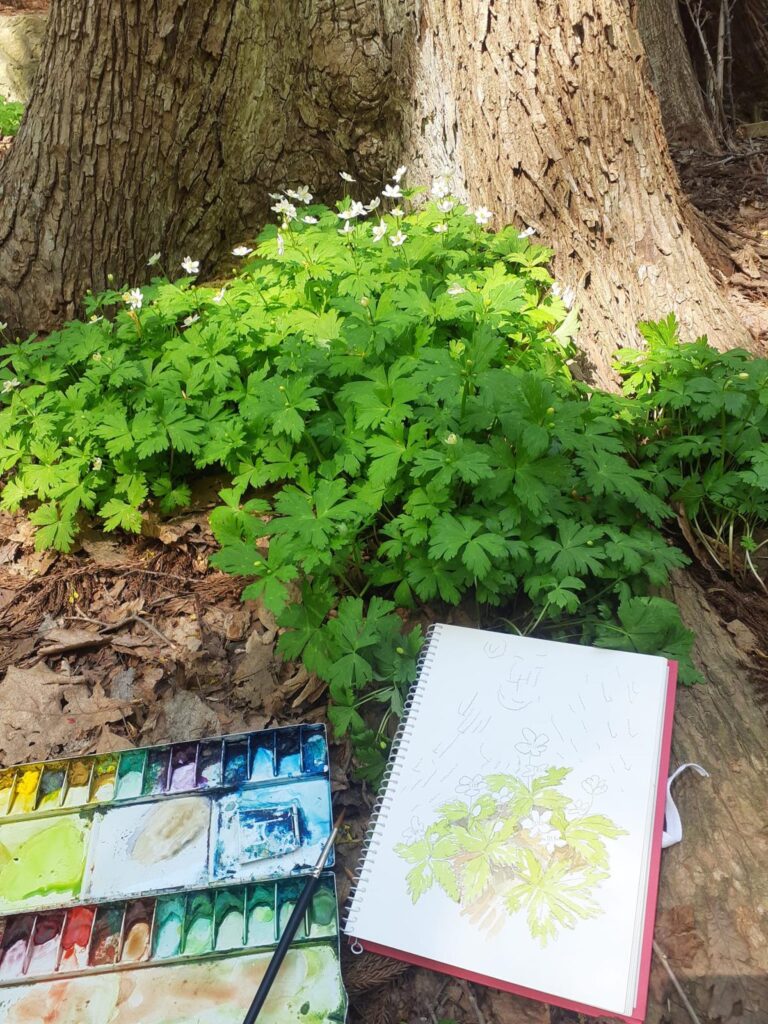
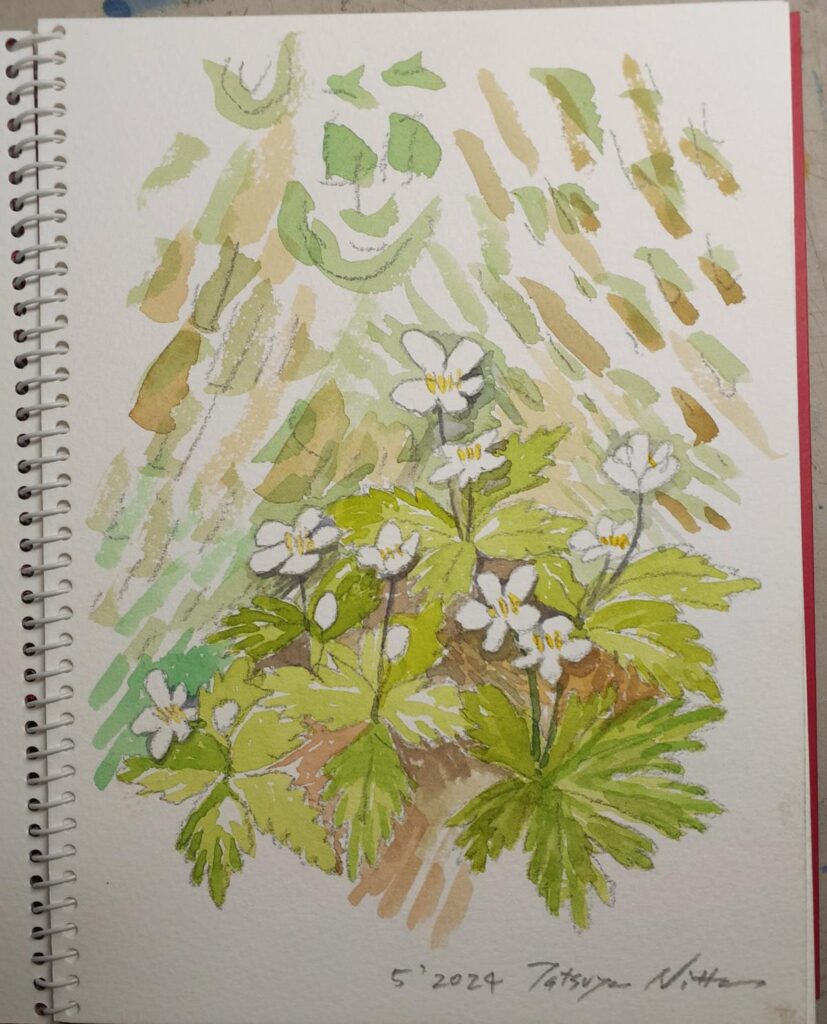
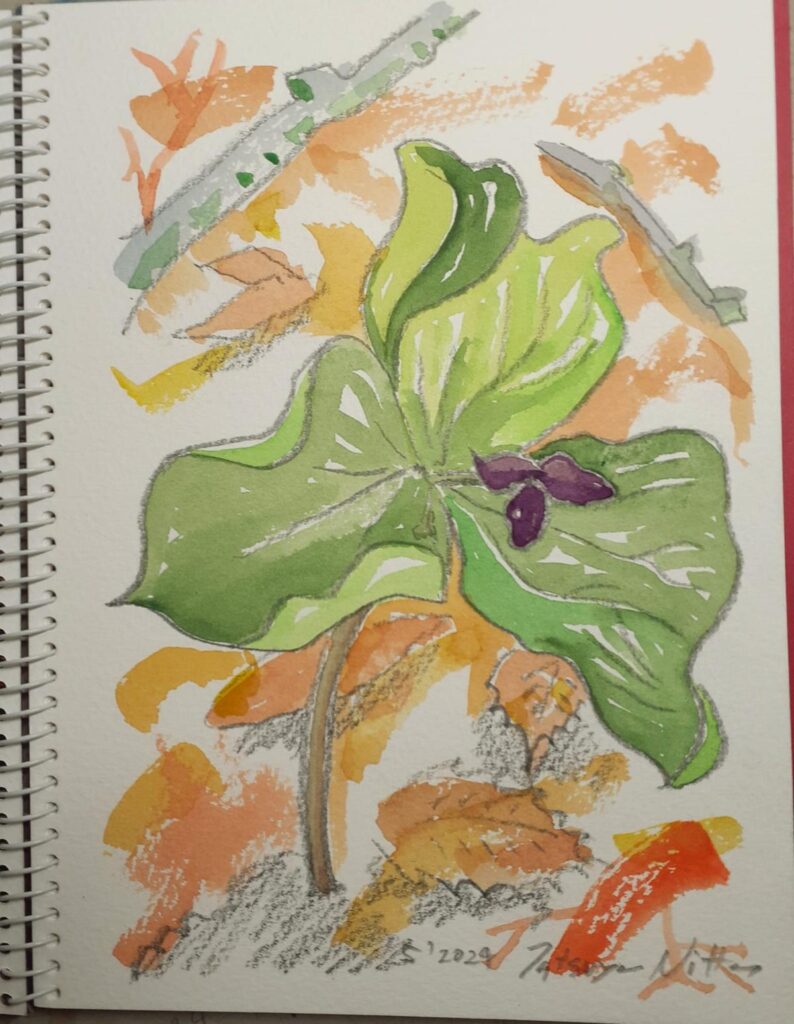
Drawn by the clear weather, I went out to sketch in the foothills near my home.
Nirinso (Anemone flaccida) Enreisou (Trillium)
Pencil (6B), transparent watercolor
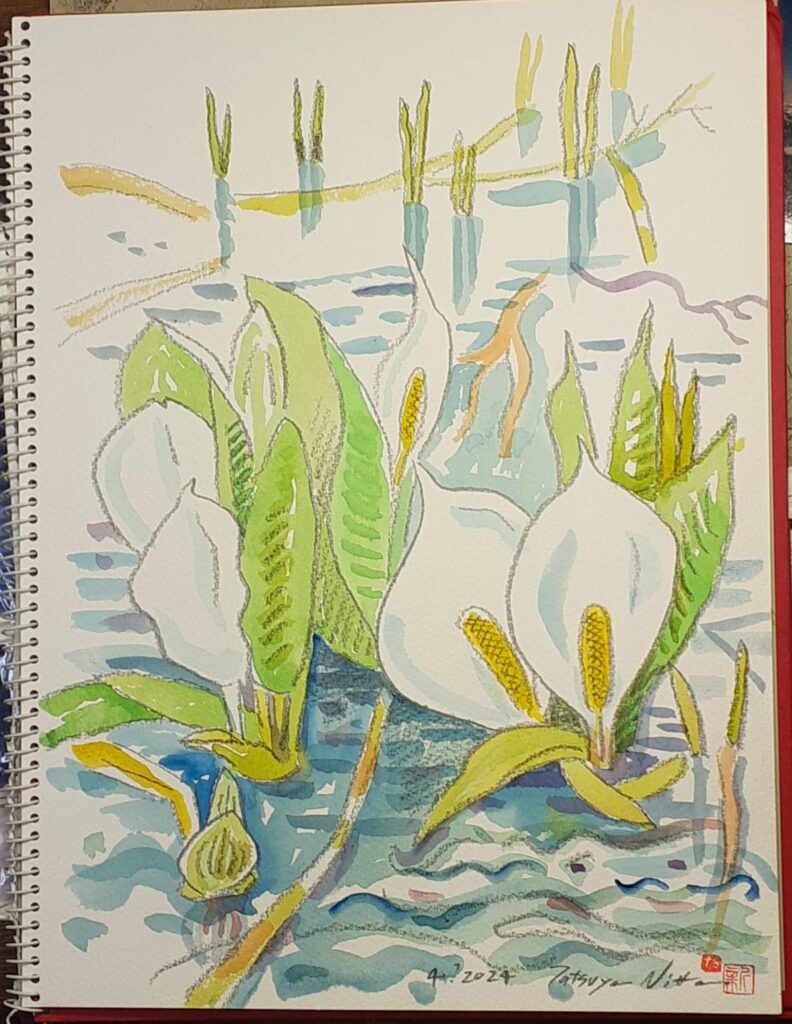
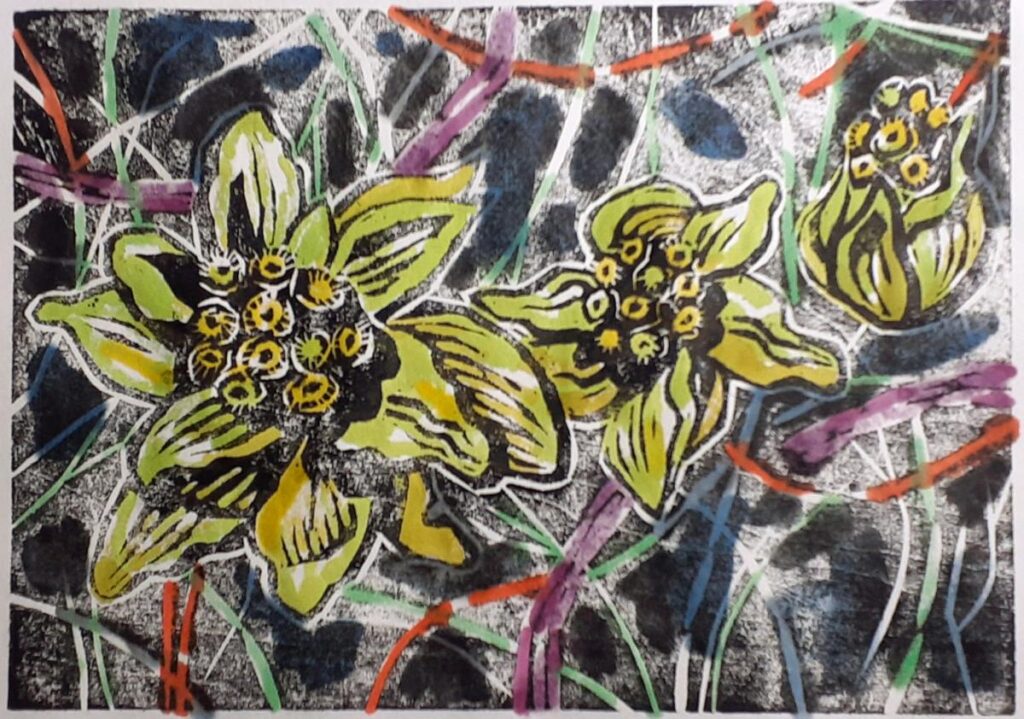
Skunk Cabbage
April 16, 2024
Spring flowers — a sketch
All drawn near my home
Pencil, oil-based conte, transparent watercolor, paper (Avalon)
Butterbur Sprouts
April 11, 2024
Today’s featured work
Another butterbur piece—this time, a sketch.
Woodblock Print: Butterbur Sprouts (23 × 14 cm)
April 5, 2024
Spring has arrived ? It’s my favorite season.
The vitality of plants seems to shine even more.
Today’s featured work
About the Artist
Tatsuya Nitta was born on December 4, 1957, in Date City, Hokkaido, Japan.
After graduating from high school, he encountered an exhibition of Shiko Munakata in Sapporo. Deeply moved by the power of Munakata’s work, he immediately purchased carving tools and began creating woodblock prints.
In his early twenties, Nitta moved to Tokyo, where he spent about a decade. During this time, he also began mountaineering—an experience that would later become central to his artistic vision.
In 1990, after a period of profound personal difficulty, he returned to his hometown in Hokkaido. This marked a turning point in his life, leading him to reconsider both his creative path and his relationship with nature.
He later resumed his career in Sapporo, working in the field of architecture while continuing his artistic practice.
Around 1995, he held his first solo exhibition at Shūgakuso, a well-known outdoor specialty store in Hokkaido. Since then, he has continued to exhibit his work, holding a total of thirteen solo exhibitions by 2025.
His work reflects a deeply personal dialogue with mountains, shaped by both lived experience and inner transformation.
We are pleased to introduce the world of woodblock prints by Tatsuya Nitta, an artist based in Hokkaido.
Nitta spends his days among the mountains of Hokkaido—climbing, descending, and carving woodblock prints inspired by the landscapes around him.Following the winter works presented in Part 1, this second installment features scenes from the snow-free season.
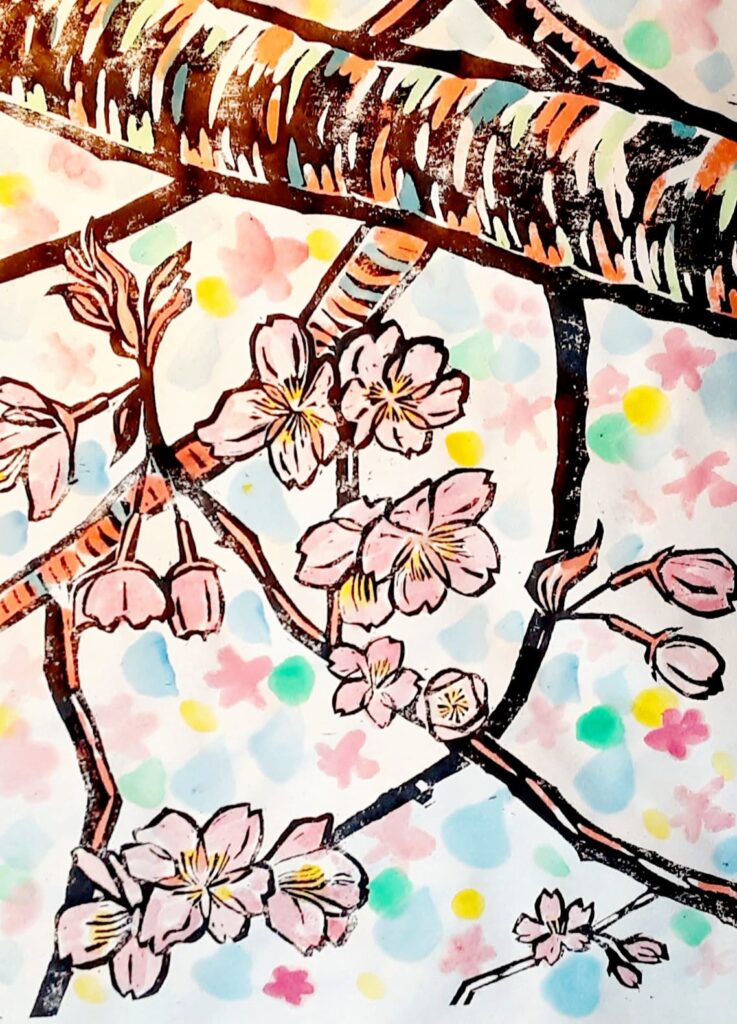
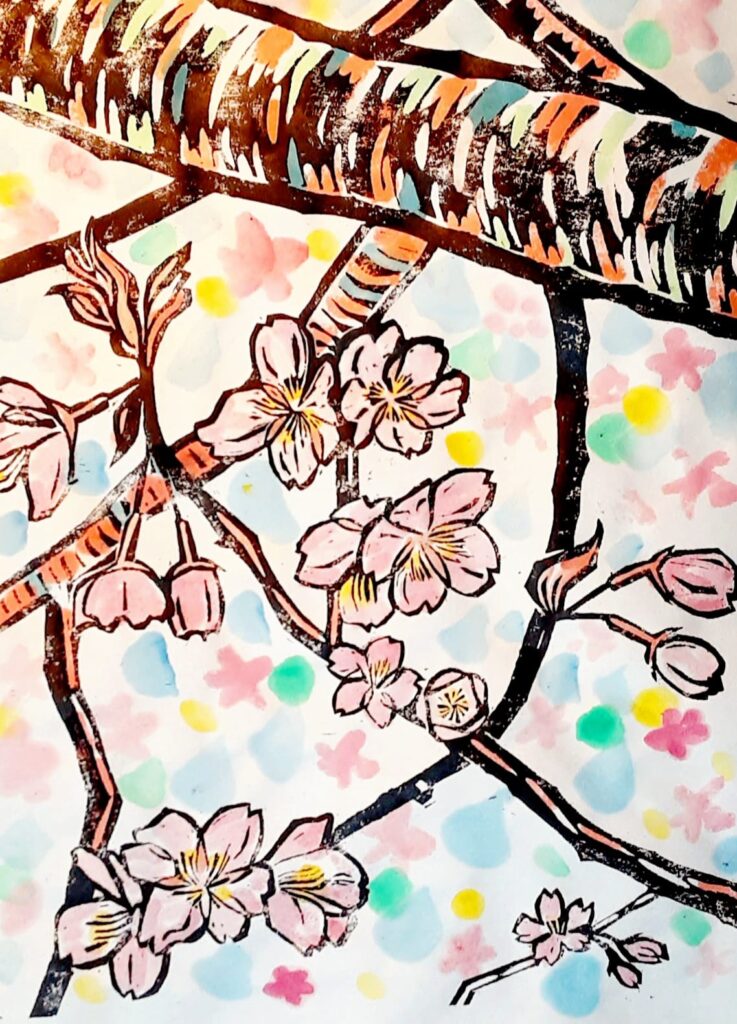
Ezoyamazakura (Hokkaido wild cherry)
A symbol of spring in Hokkaido
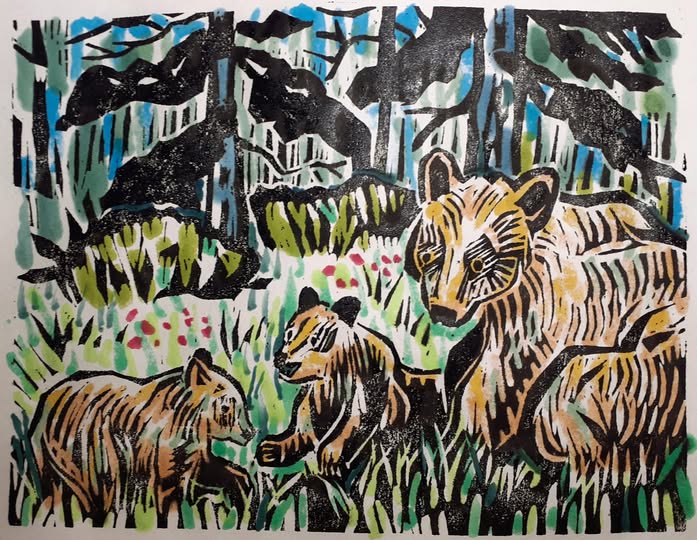
Brown Bear and Cubs — Close Together(24 × 17 cm)
Today’s featured work — August 20, 2024
I tried carving a mother brown bear and her cubs.
The way a parent looks after its young feels the same—whether human or bear.
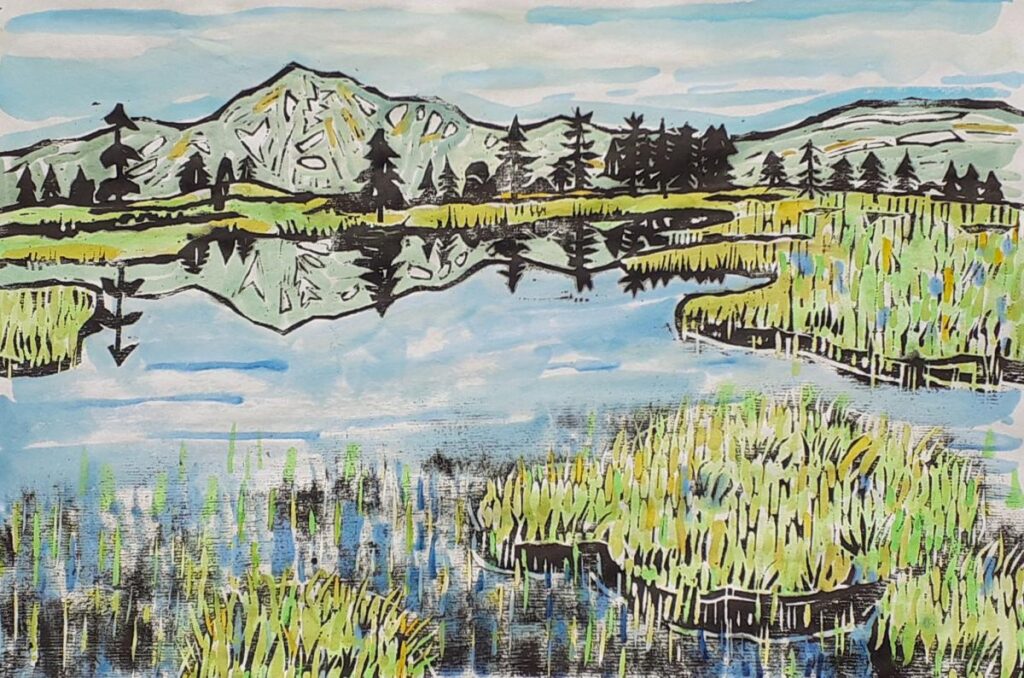
Numanohara
August 1, 2024
This isn’t about a recent visit, but I have been to Numanohara three times.
I still have my reference materials, so I find myself drawing it almost every year.It has the wide, open, and expansive views that are so characteristic of the Daisetsuzan mountains.
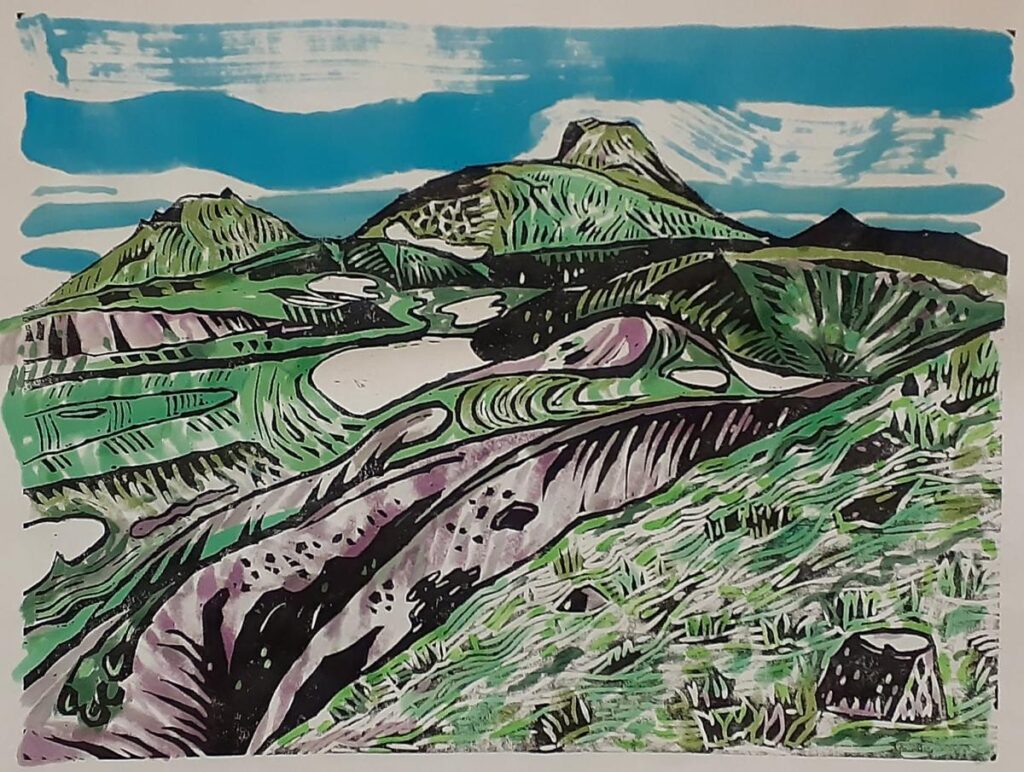
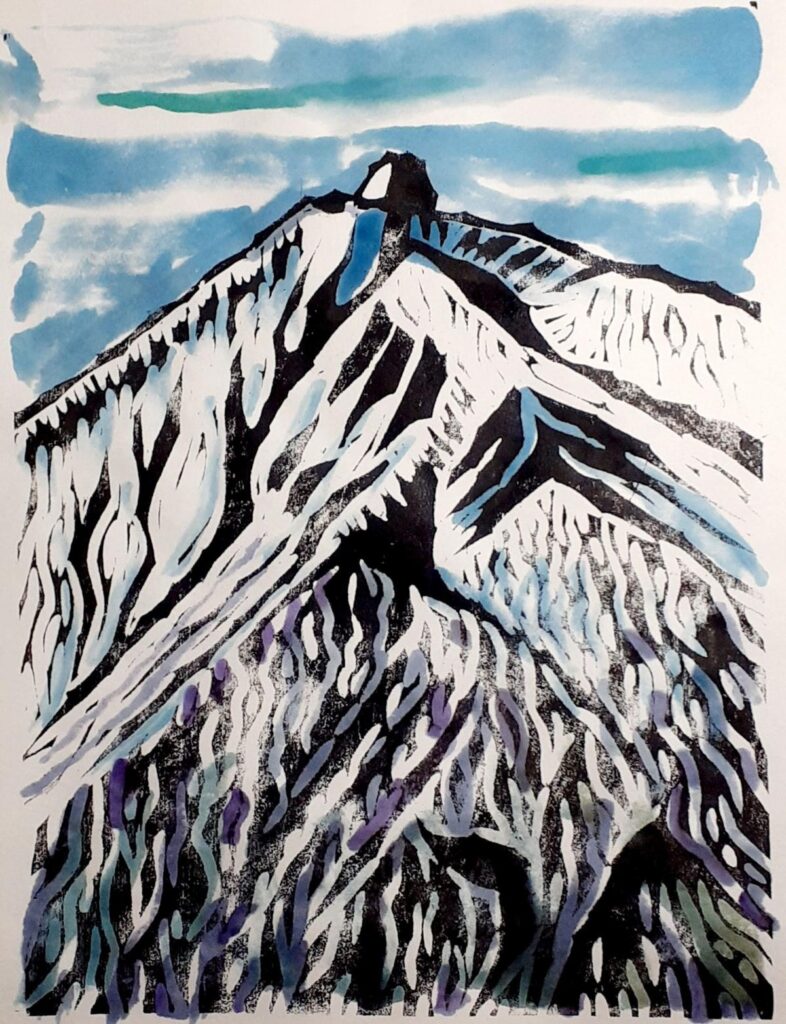
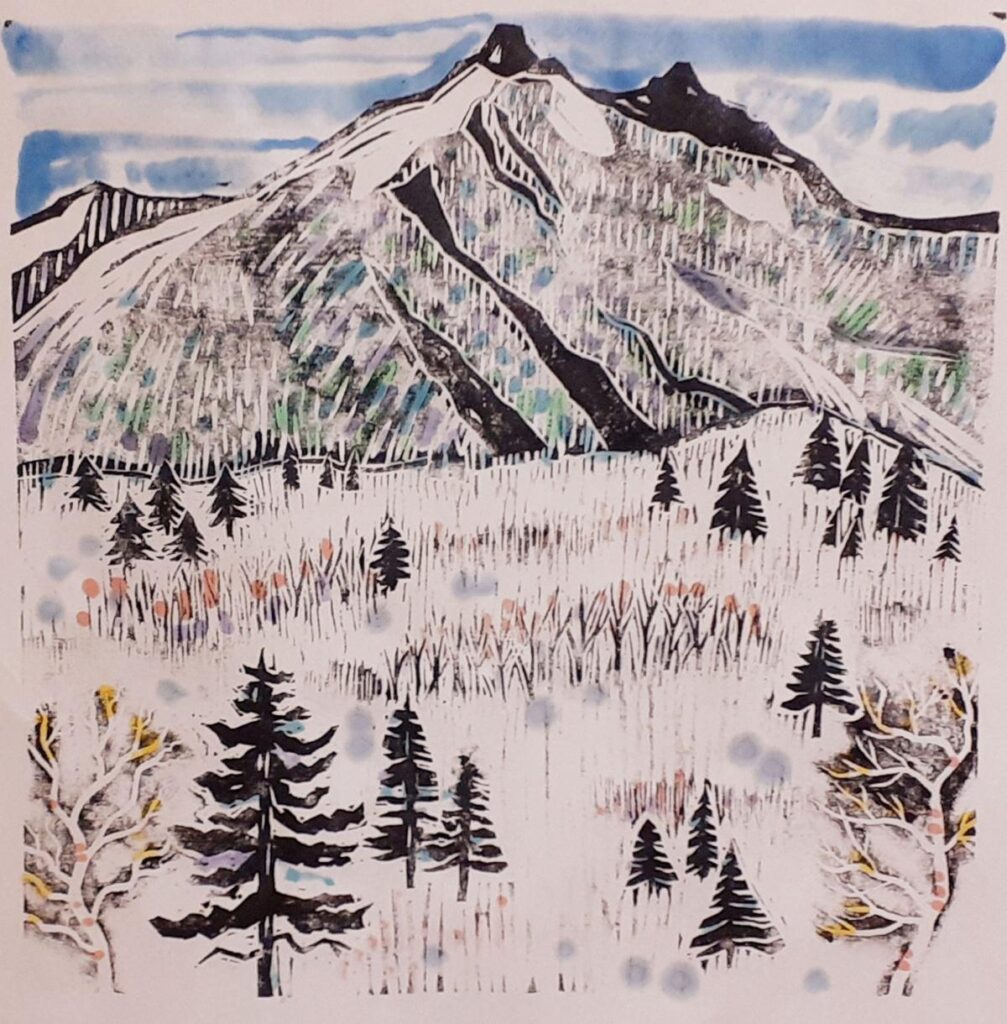
Sky over Mount Kurodake (60 × 45 cm)
Today’s featured work — August 31, 2024
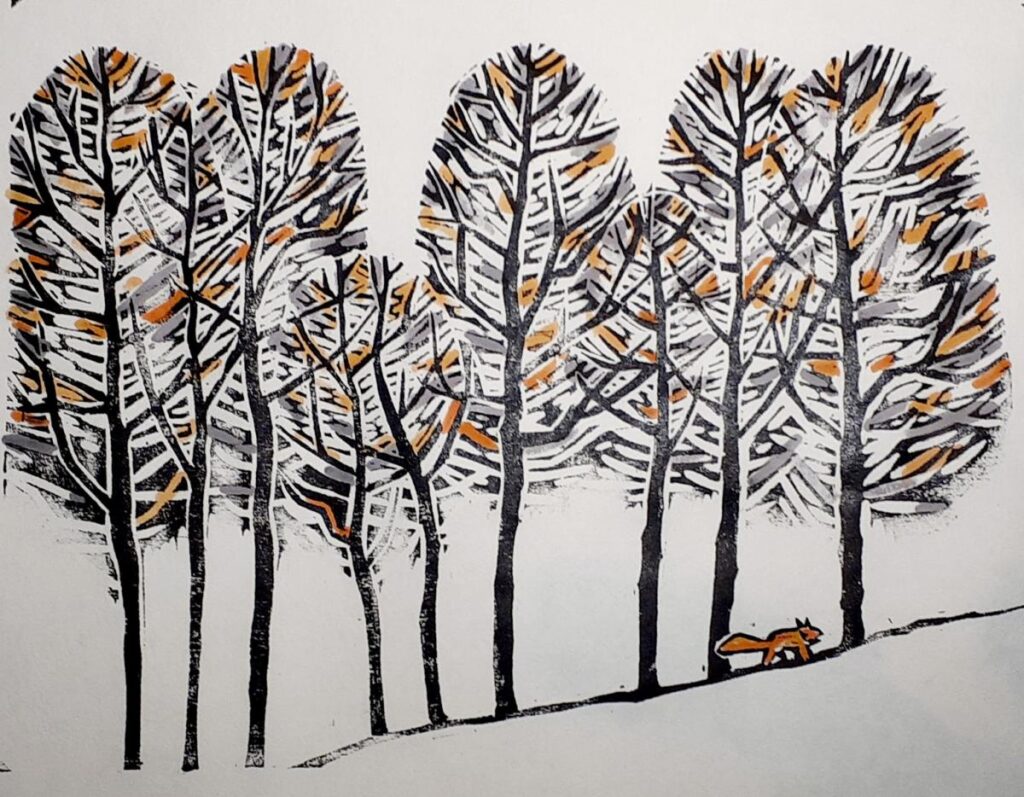
I tried carving Mount Kurodake as seen from the Hokai-dake side.It somehow feels a bit like an abstract painting.
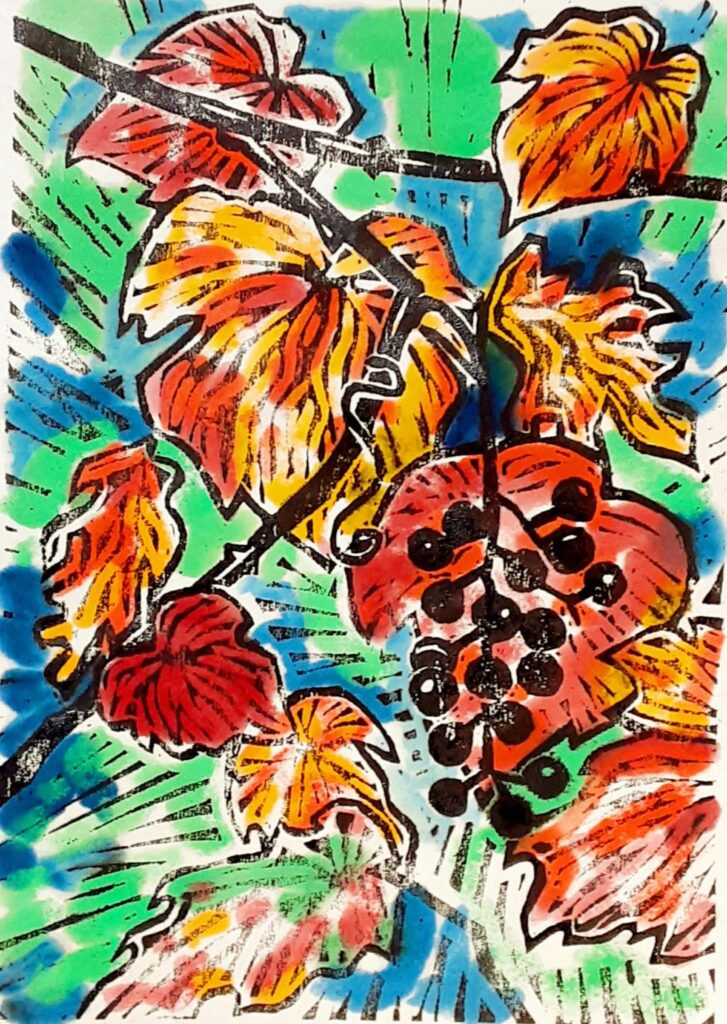
Wild Grapes
Mount Oakan – one of the Akan volcanic peaks in eastern Hokkaido
Mountains in Japan are more than landscapes. They are places of memory, belief, and quiet dialogue between humans and nature.
In this context, the woodblock prints of Tatsuya Nitta offer a unique way of seeing mountains—not as objects to be observed, but as presences to be felt.
Drawing from a deeply personal journey shaped by artistic discovery, mountaineering experience, and periods of inner transformation, Nitta’s work reflects an intimate relationship with the natural world. His mountains are not grand spectacles, but quiet, enduring forms that exist alongside human life.
Through the traditional medium of woodblock printing, he captures something that photography often cannot: the emotional and spiritual resonance of mountains in Japan.
This article presents a selection of his works, inviting viewers to experience mountains through the artist’s eyes.
Mount Fuppushi (45 × 30 cm)
Woodblock print with hand-applied color on the reverse side
Today’s featured work — March 3
For various reasons, I had been working mainly on summer scenes. I plan to share those in the summer.
This is a winter piece, created after some time.
Mount Fuppushi is a volcano in Chitose, Hokkaido, rising to 1,102.5 meters
Mount Eniwa (Upper Section) (30 × 24 cm)
Woodblock print with hand-applied color on the reverse side
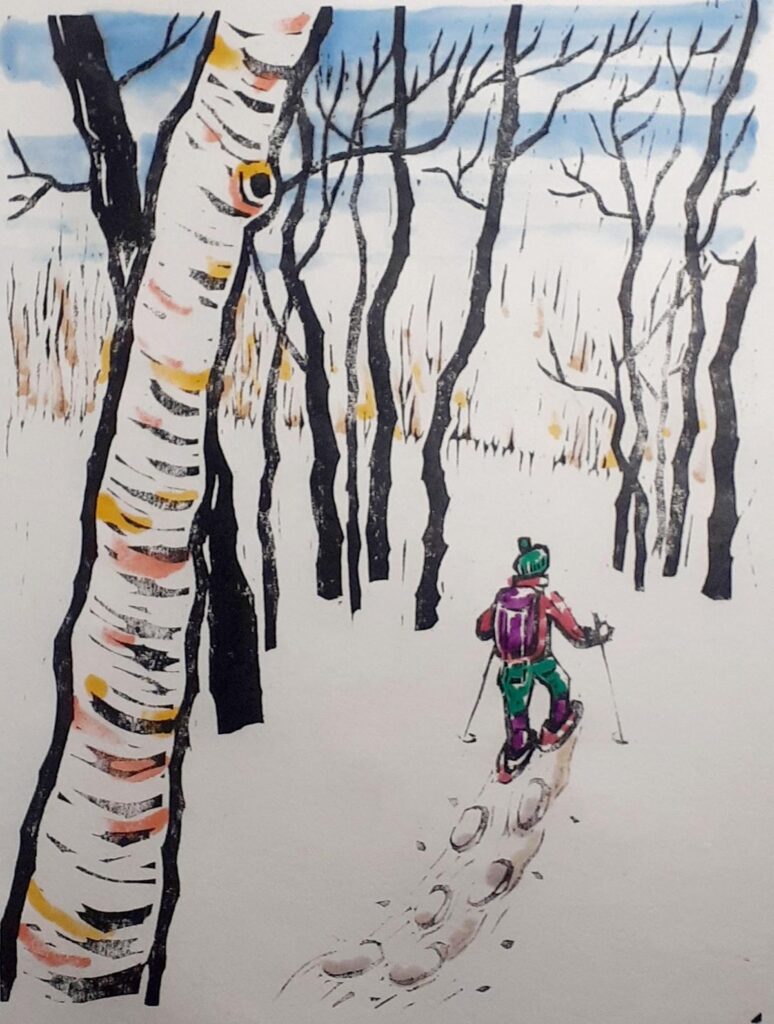
Tracks in the snow
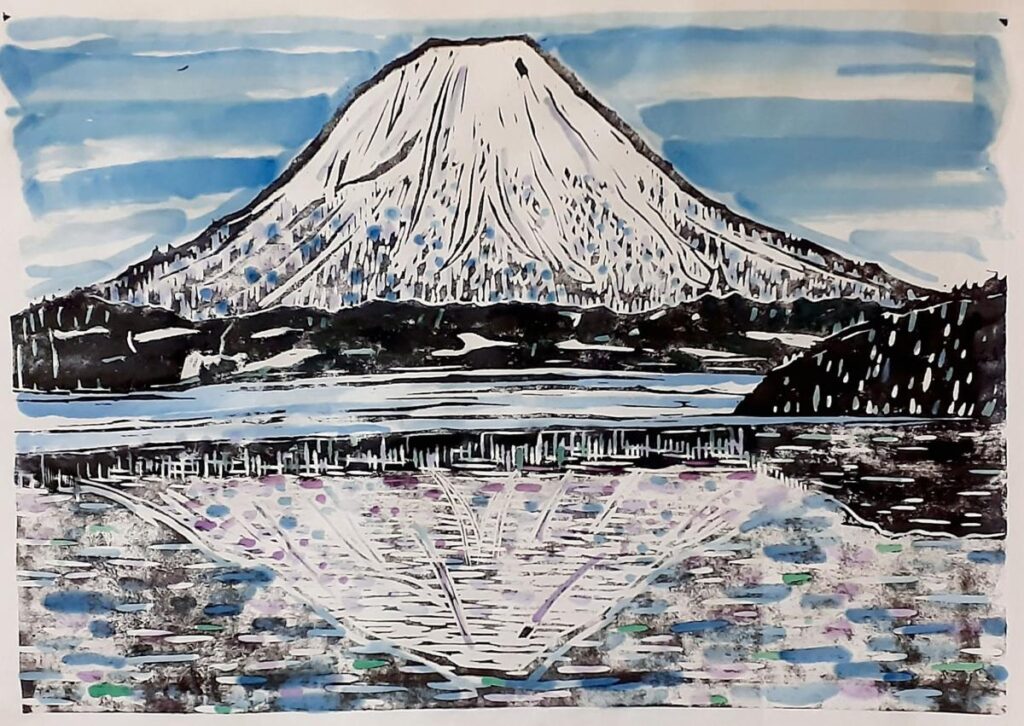
Mount Yotei
often called “Ezo Fuji” for its resemblance to Mount Fuji
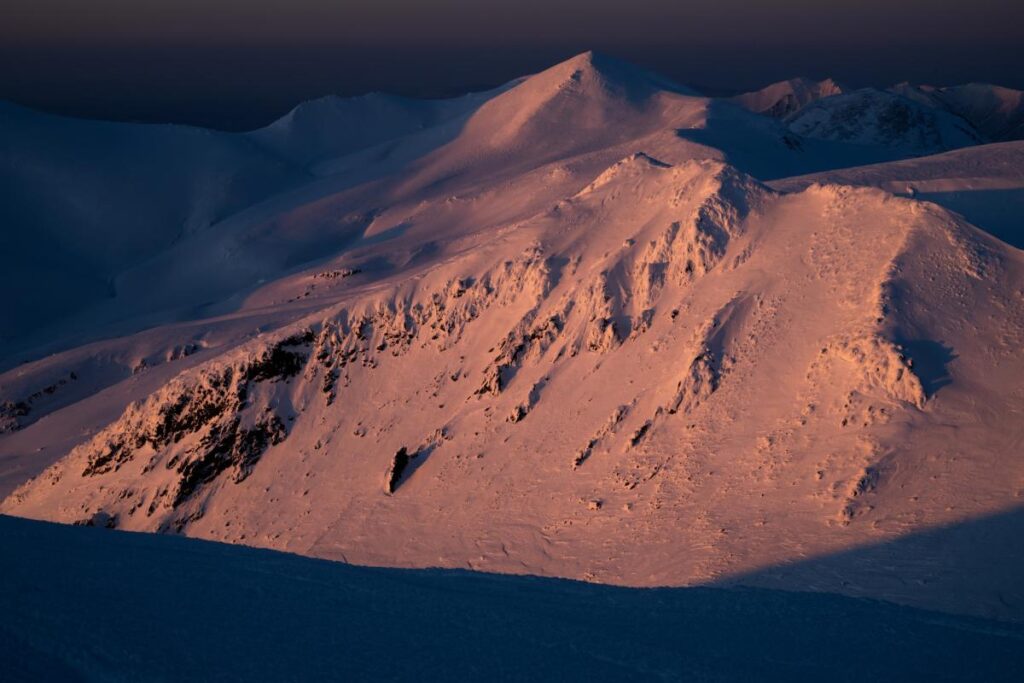
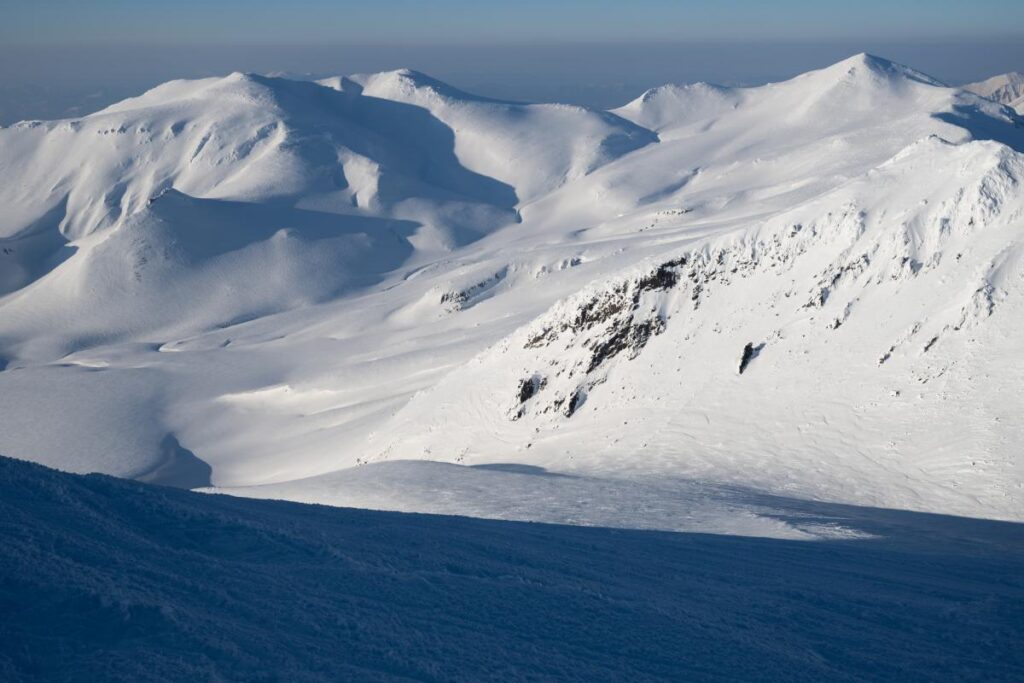
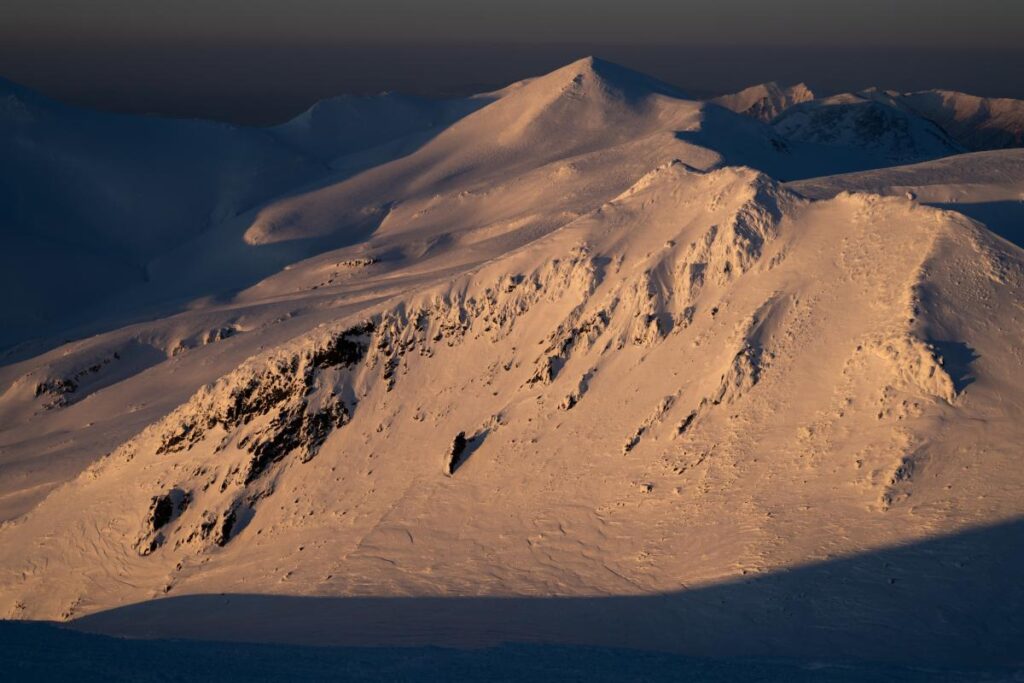
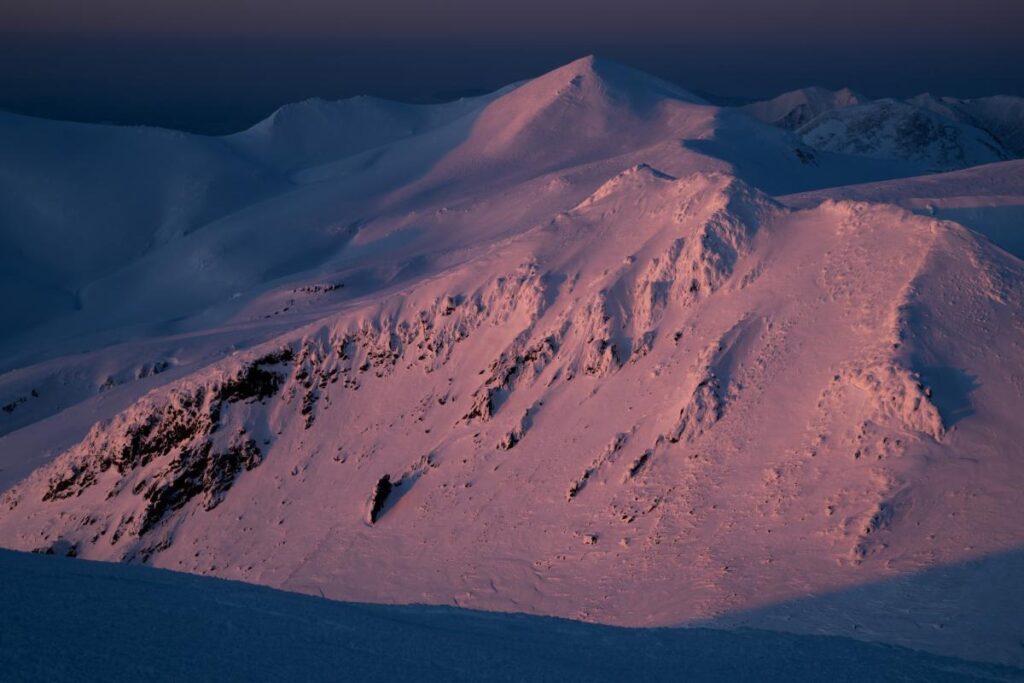
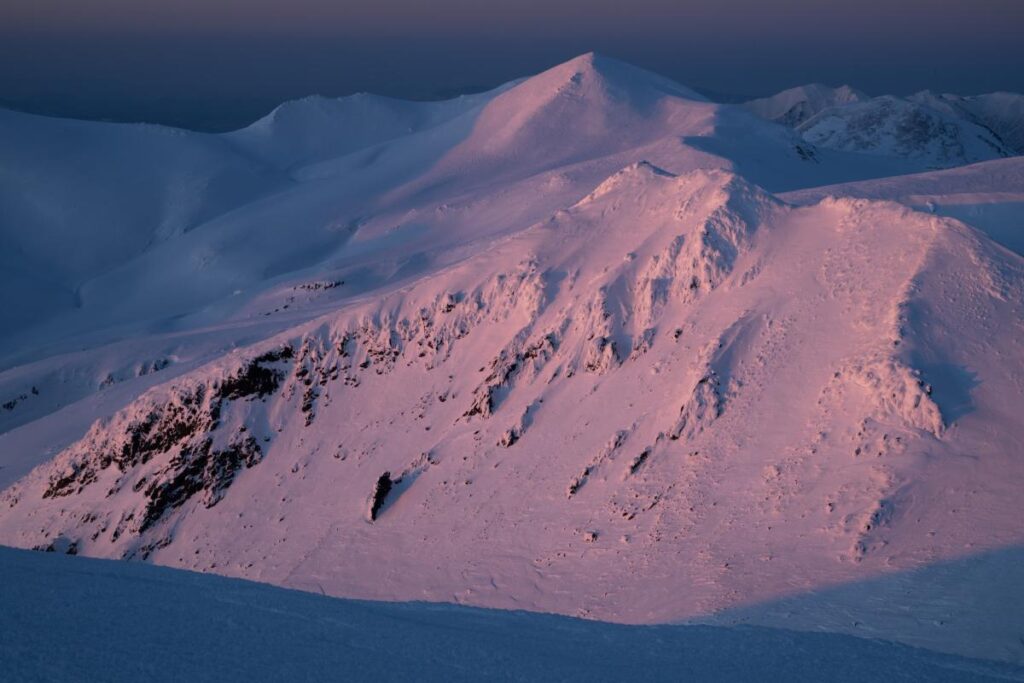
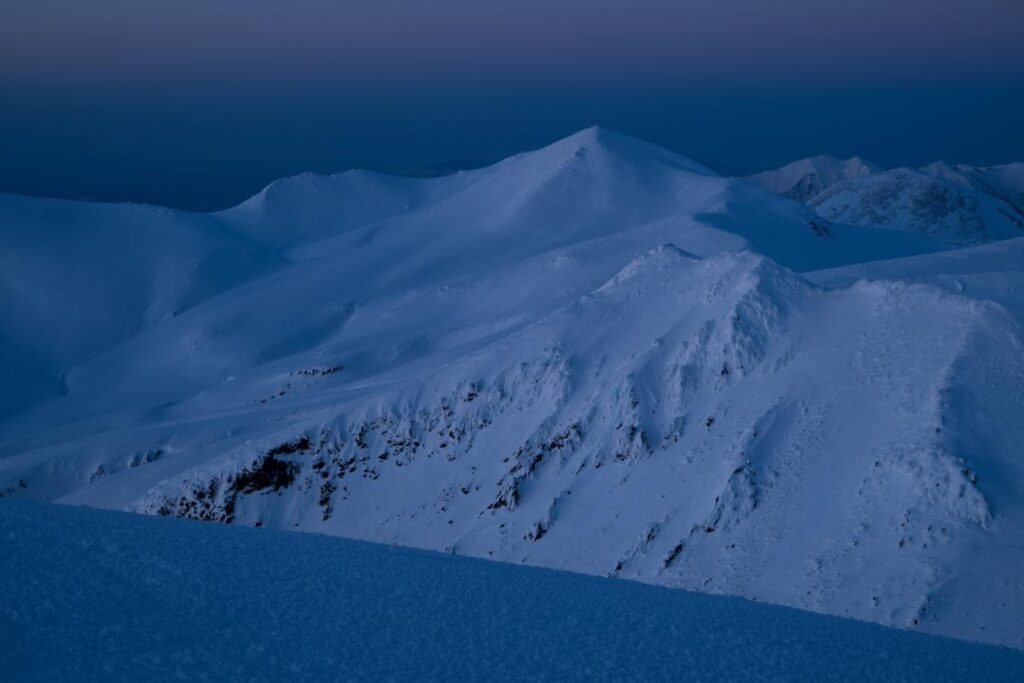
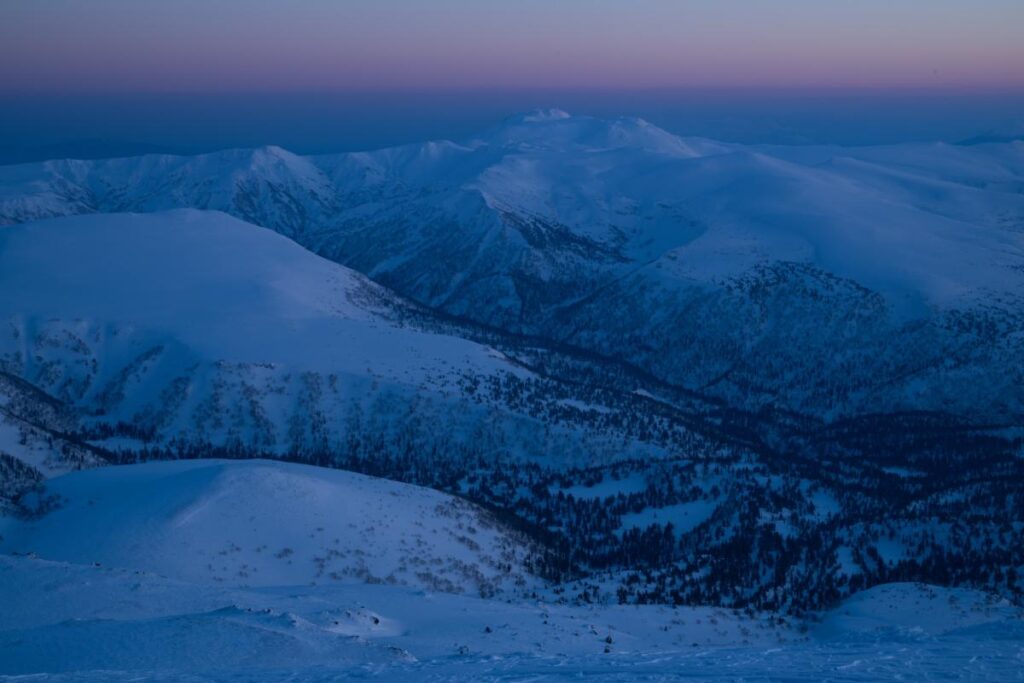
Toshiyuki Ishikawa, a resident of Obihiro City in Hokkaido, shares a breathtaking evening scene from Mt. Asahidake (2,291m)— the highest peak of Hokkaido
March 25, 2026
On a day blessed with clear, stable weather, I fulfilled a long-held wish – to take photograph mountains in the evening light from the snow-covered summit of Mt. Asahidake
Before reaching the summit, my goal was to see Mt. Tomuraushi at sunset but Mt. Hokuchindake was the best as the way the light hit the mountain.
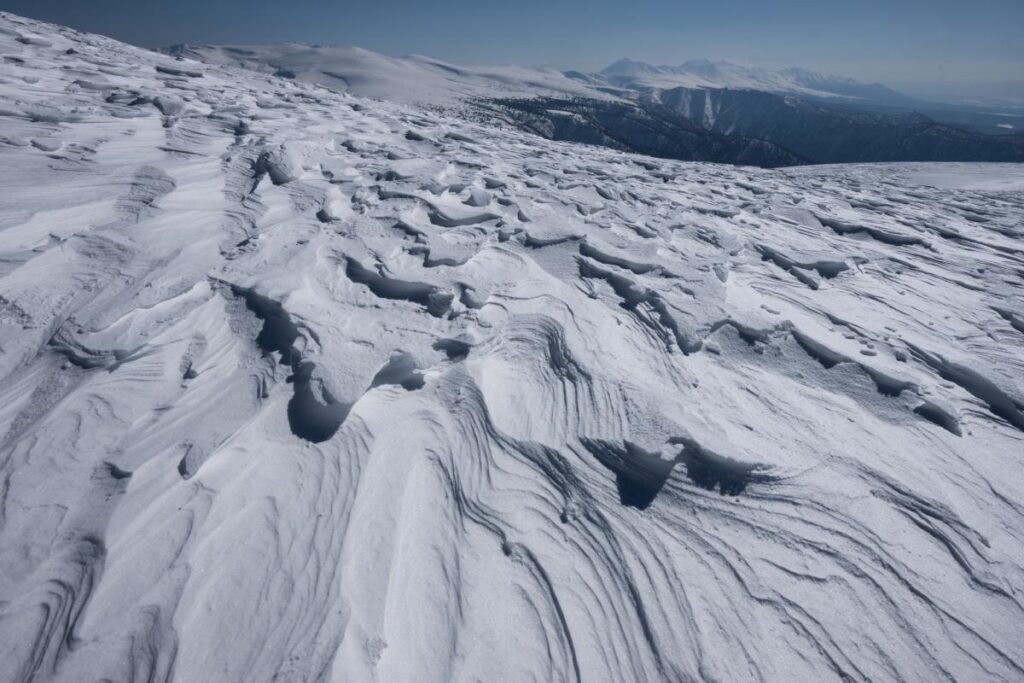
It was magnificent that Mt Hokuchindake changed colors minute by minute from white to yellow, orange, red, pink, and blue. In addition, I was impressed by the view that we can only see in the snowy mountains such as skavla,After sunset, I began my descent via the well-maintained ski slope near Sugatami Ropeway Station.
16:40 White : View of Mt. Hippudake and Mt. Hokuchindake from the summit of Mt. Asahidake17:32 Yellow : View of Mt. Hokuchindake from the summit of Mt. Asahidake17:43 Red : View of Mt. Hokuchindake from the summit of Mt. Asahidake17:44 Pink : View of Mt. Hokuchindake from the summit of Mt. Asahidake17:44 Blue : View of Mt. Hokuchindake from the summit of Mt. AsahidakeView of Scavla and Tokachi mountain range from the trail of Mt. AsahidakeView of the belt of Venus and Mt. Tomuraushi from the summit of Mt. Asahidake
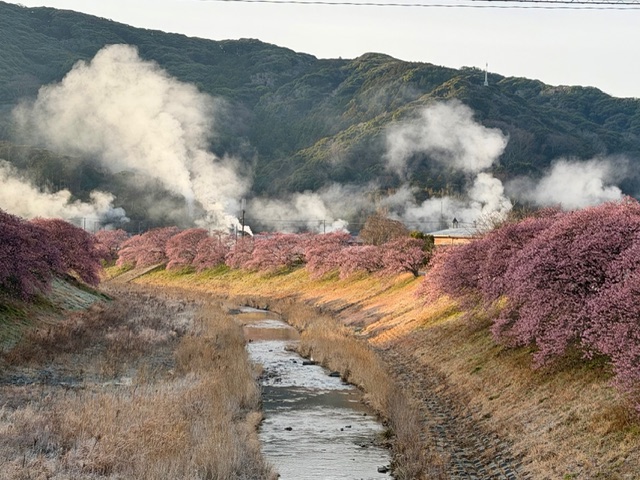
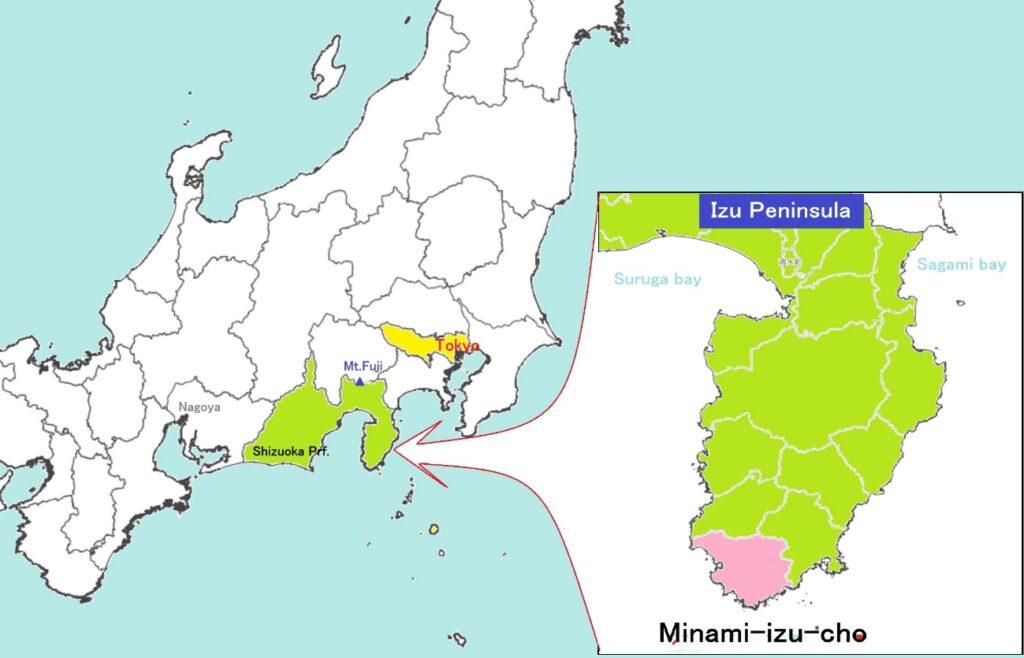
Kawazu Sakura trees in bloom along the Aono River Minami-izu, Southern Izu Peninsula
Report by Masahiko Kaji
Spring in Japan is widely associated with cherry blossoms that bloom in late March. But in the warm valleys of the Izu Peninsula, spring arrives much earlier.I recently visited Minami-izu, located at the southern tip of the peninsula, to see the famous Kawazu Sakura, an early-blooming variety of cherry blossom.
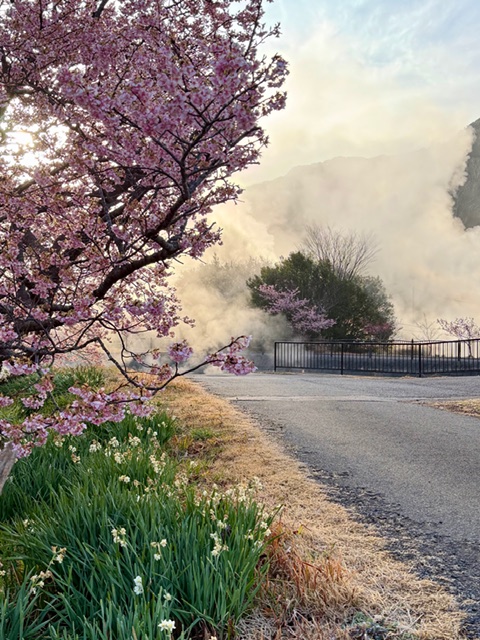
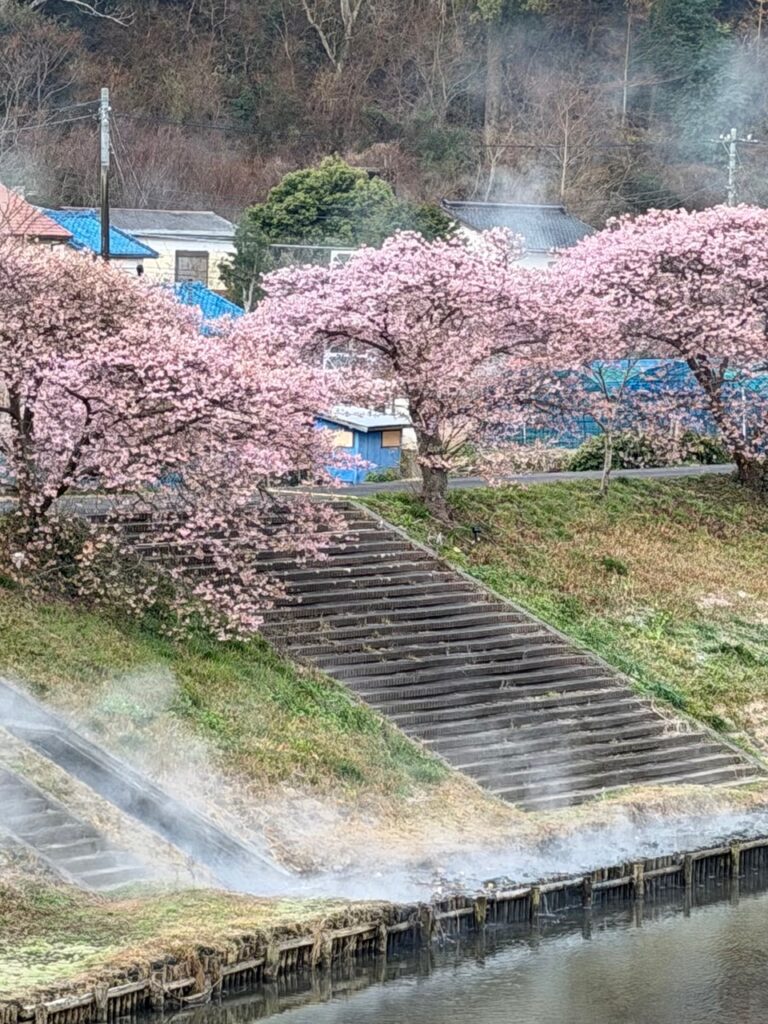
Steam rising from Shimogamo Onsen drifts through the cherry blossom landscape.
The Izu Peninsula is recognized as part of the UNESCO Global Geoparks Network, a region shaped by volcanic activity that created dramatic coastlines, abundant hot springs, and fertile river valleys.
Along the Aono River in Minami-izu, about 800 Kawazu Sakura trees line both sides of the river for nearly two kilometers, forming a continuous corridor of soft pink blossoms.
The trees here are large and full-shaped, creating an especially impressive landscape.One of the most memorable sights is the contrast between the blossoms and the steam rising from the nearby Shimogamo Onsen hot springs. White steam drifts through the riverside air, while the pink blossoms spread across the sky above the river.
Nearly 800 cherry trees form a two-kilometer corridor of blossoms along the riverbanks.
A Cherry Blossom That Blooms Ahead of Spring
Kawazu-zakura (Cerasus × kanzakura ‘Kawazu-zakura’) is a cherry tree variety native to Japan.
While Japan’s most famous cherry blossom, Somei Yoshino, typically blooms in late March in Tokyo, Kawazu Sakura begins flowering in mid-February.
Another distinctive feature is its long blooming season. Unlike many cherry blossoms that fall within a week or two, Kawazu Sakura can remain in bloom for nearly a month.
Japan is said to have around 600 varieties of cherry trees, each with its own seasonal rhythm.
Kawazu Sakura is cherished because it signals the very beginning of spring in Japan.
A Moment of Life Beneath the Blossoms
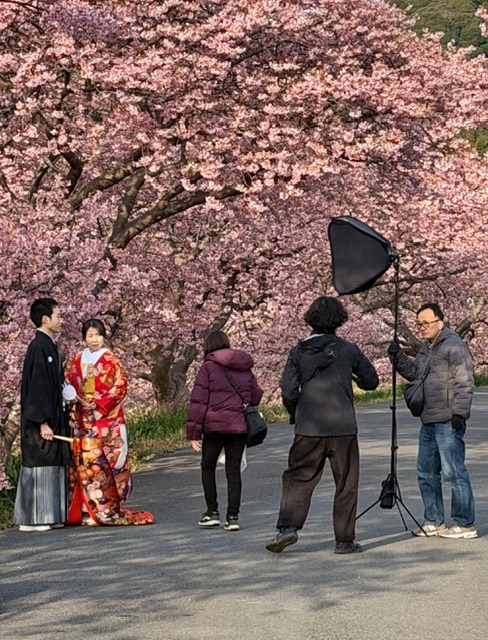
While walking along the river, I noticed a newly married couple taking commemorative photographs beneath the blossoms.
Scenes like this are common during Japan’s cherry blossom season.
For many people in Japan, cherry blossoms are not only a natural spectacle, but also a moment to celebrate life—gathering with family and friends, welcoming the arrival of spring, and marking milestones.
In Minami-izu, where the blossoms appear earlier than anywhere else, that celebration begins quietly in February.
Newlyweds taking commemorative photographs beneath the early spring blossoms.
Noriko Sakoh, one of the leaders of Tokyo International Hiking, shares highlights from the group’s recent early-season flower hike. She also volunteers for the English-language website of the Japan Mountain Day Foundation.
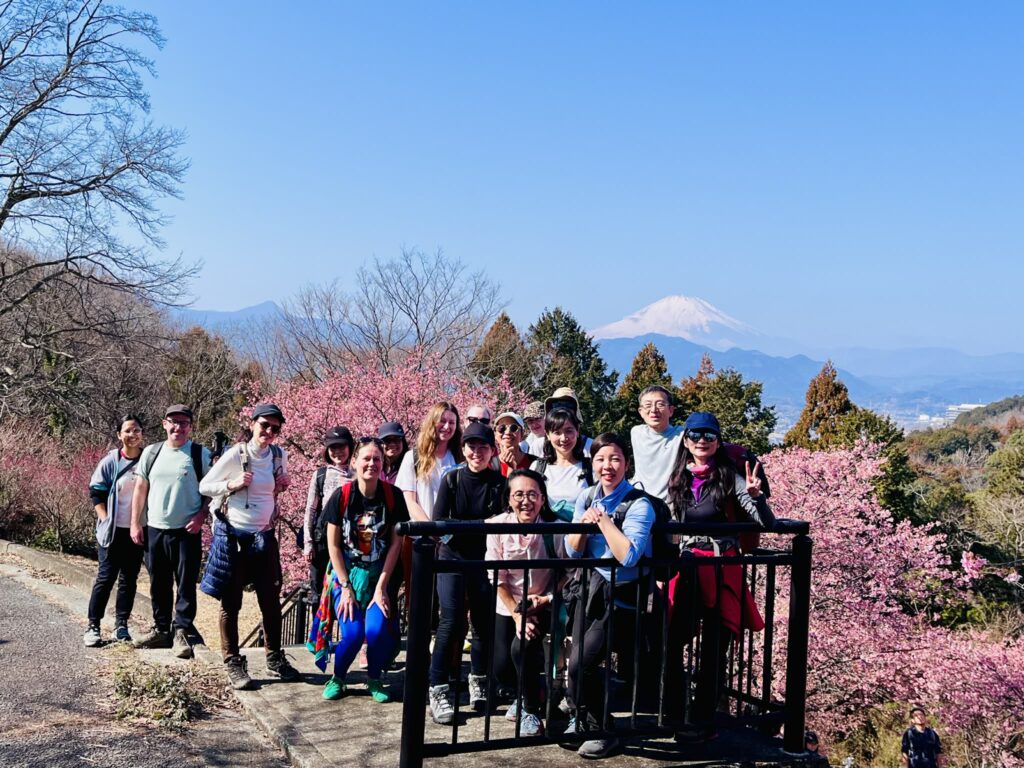
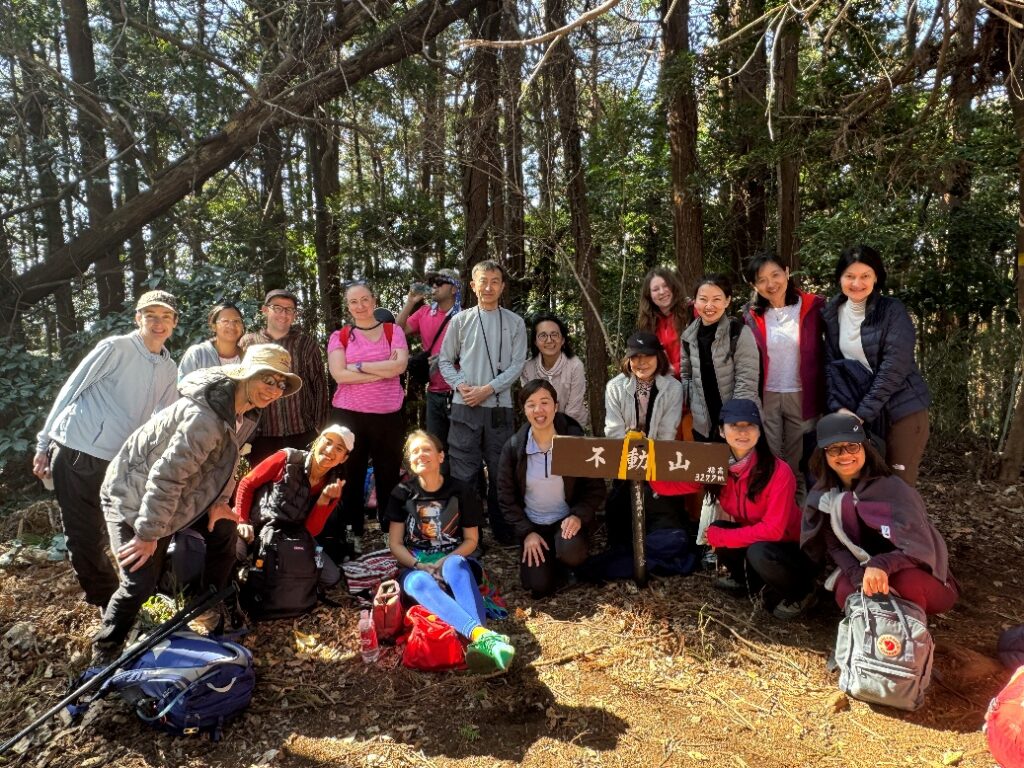
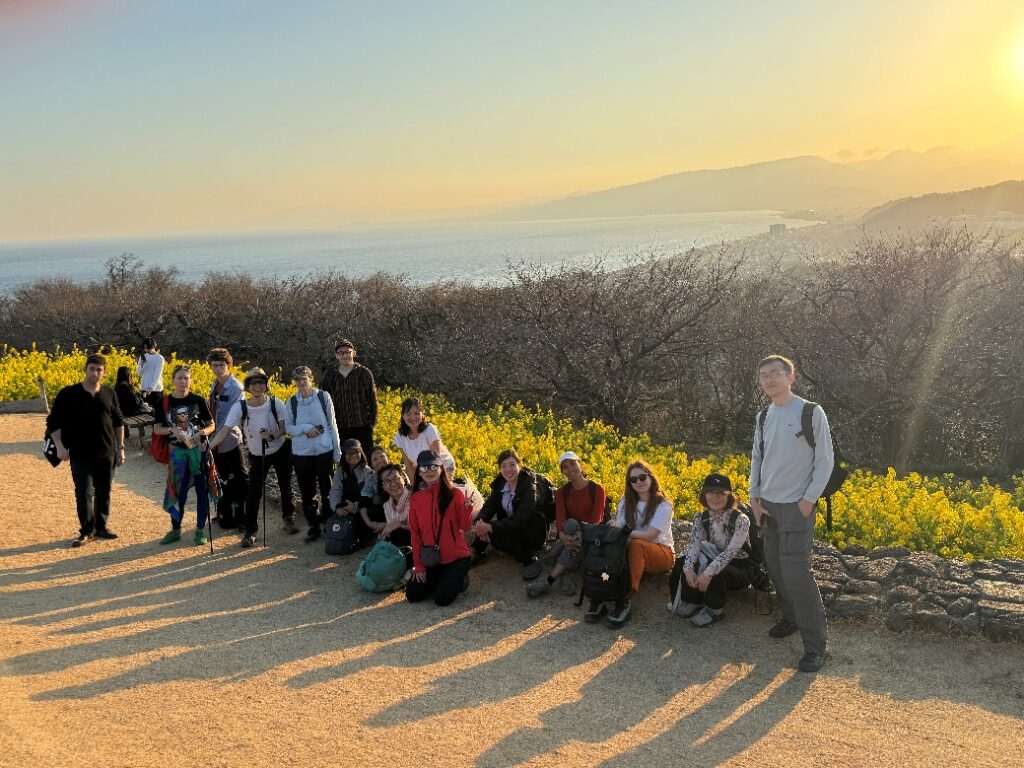
Tokyo International Hiking is a Facebook-based hiking group that enjoys nature in Tokyo and the surrounding areas.On February 15, 17 members from nine countries celebrated the opening of Japan’s flower season together.
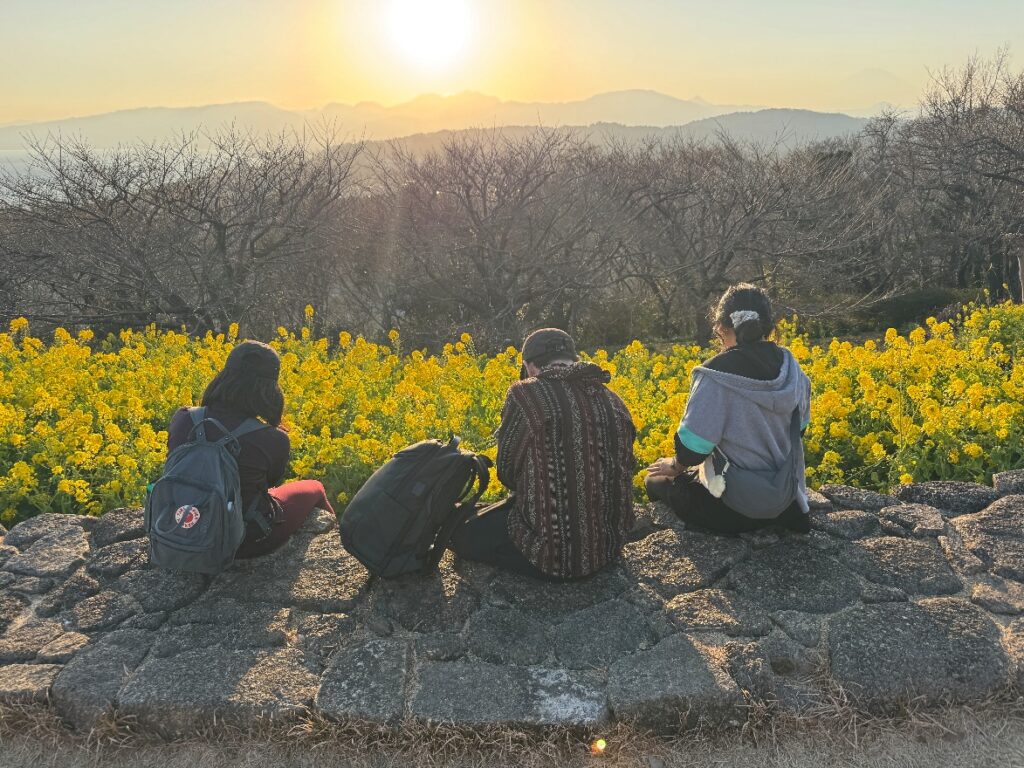
Starting in Kami-Oi, Kanagawa, we admired the beautiful Kawazu-zakura with majestic Mt. Fuji as a stunning backdrop, various plum blossoms, and a gorgeous canola field overlooking the sparkling waters of Sagami Bay.
Due to the snow, we had to cancel our original plan on February 7. But in the end, it was definitely worth the one-week wait.
#Japan Mountain Day Foundation #Tokyo International Hiking Club # Mt Fuji
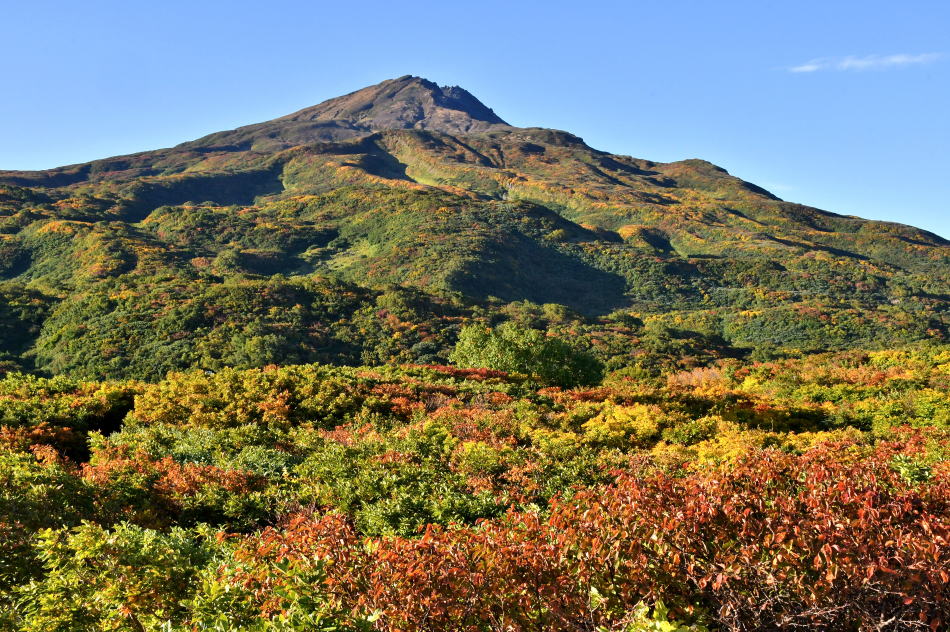
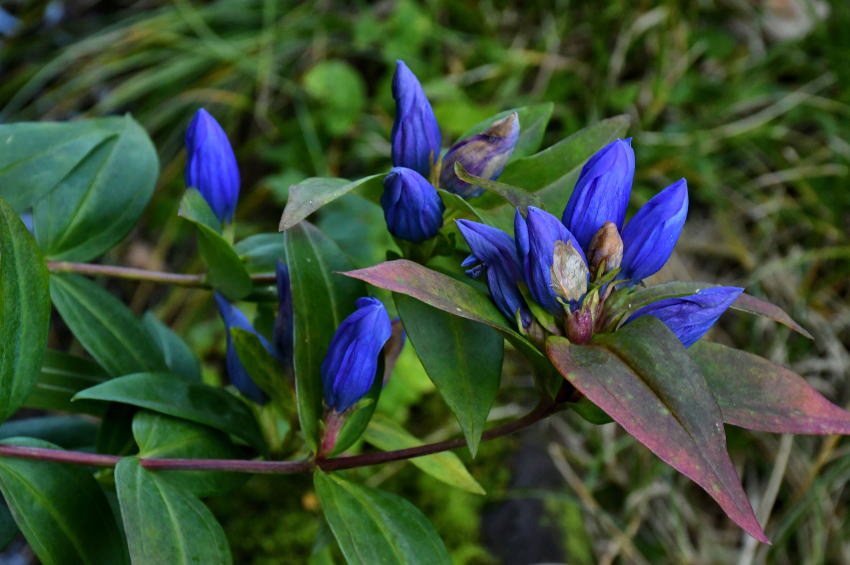
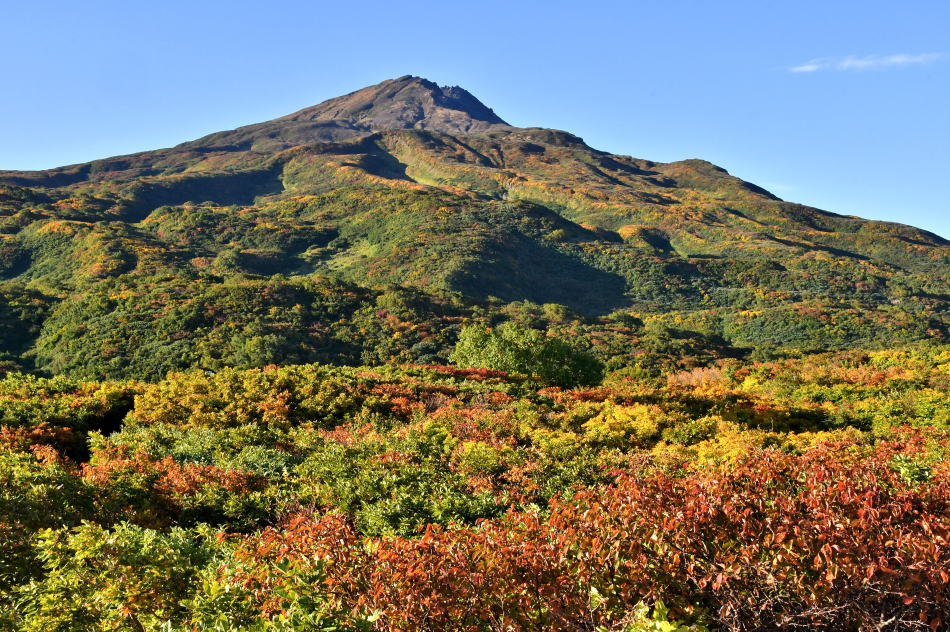
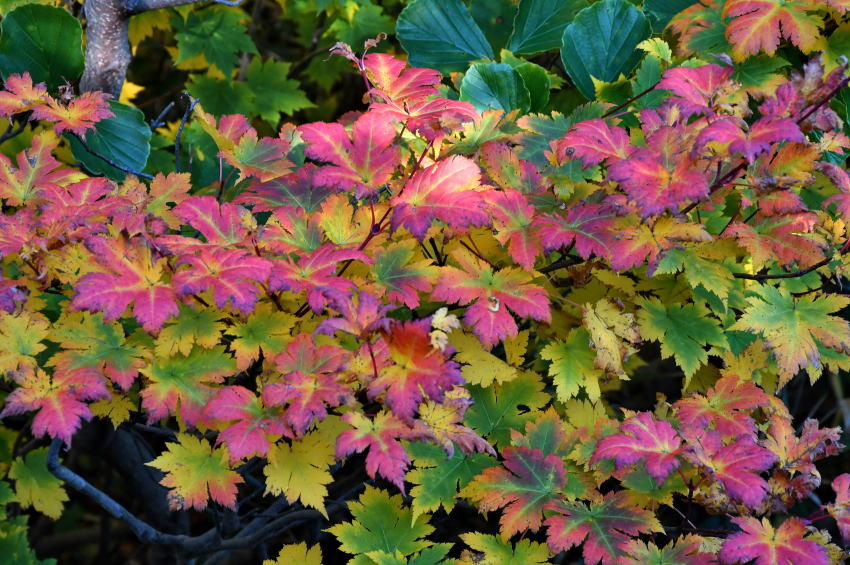
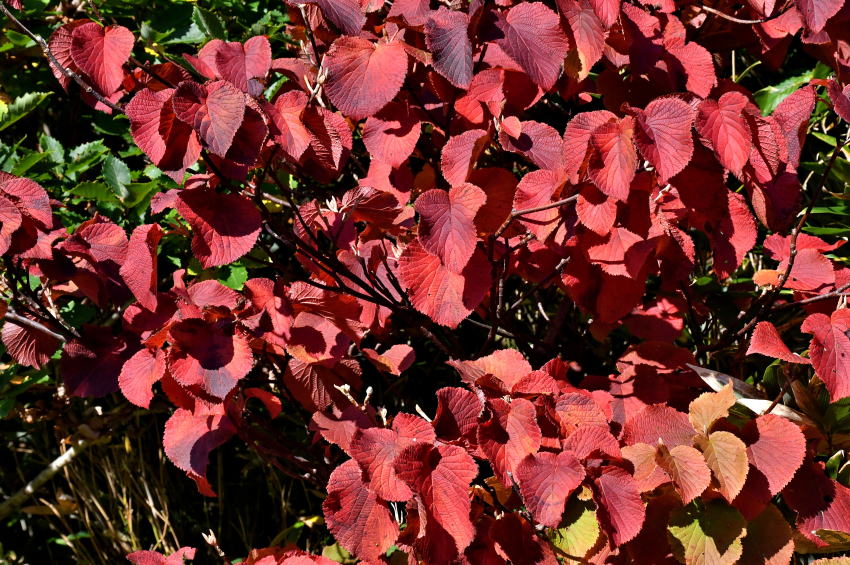
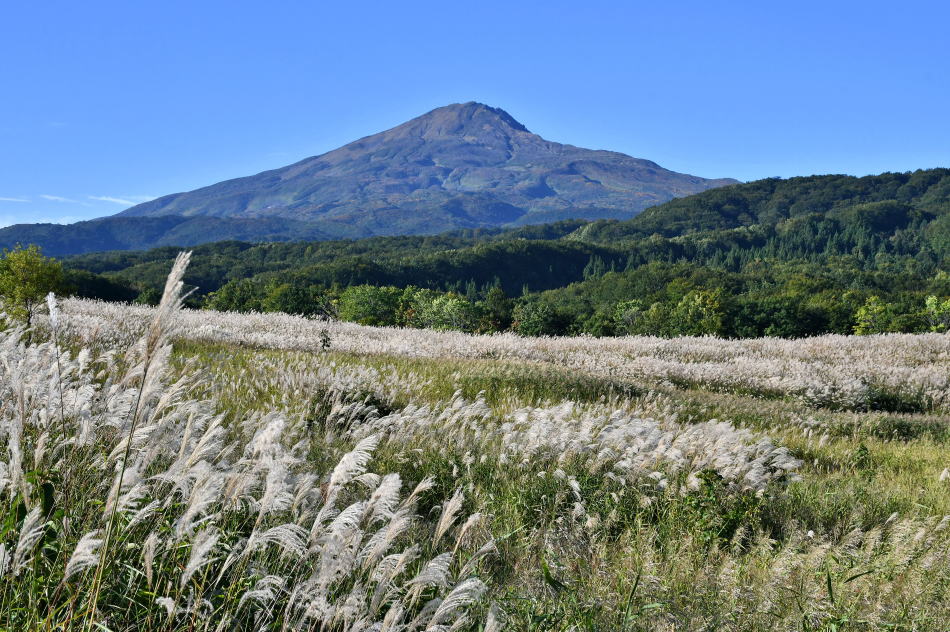
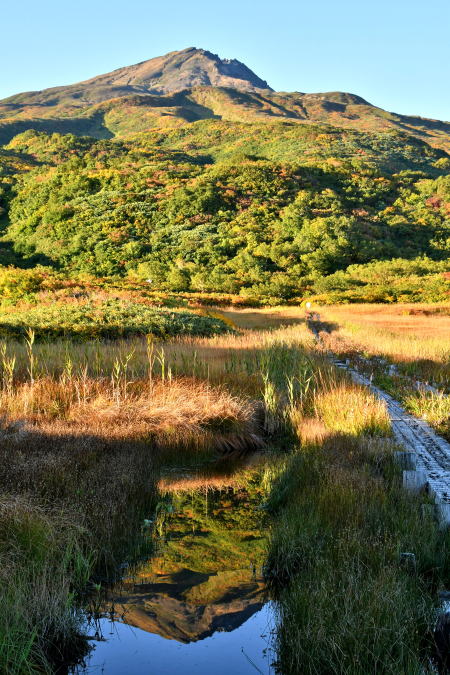
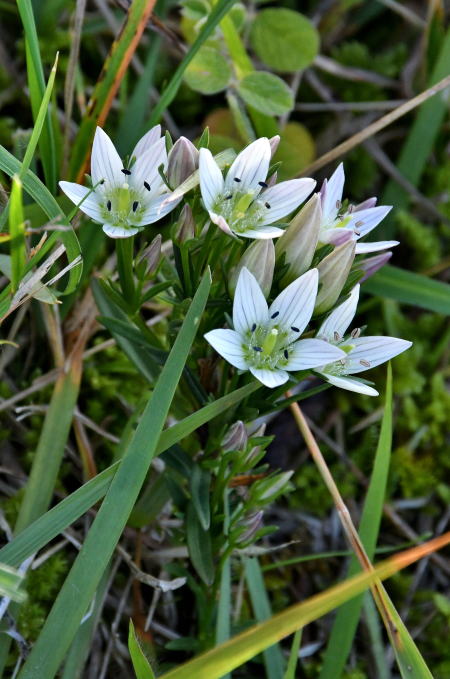
On this day I explored the Akita side of Mt. Chōkai, walking from the mid-slopes down toward the foothills, including the Ryūgahara Marsh at Harai River and the Nikaho Highlands. At these lower elevations the autumn foliage is only just beginning. To my delight, I also came across a gentian-like flower, Swertia japonica (commonly known as Senburi), blooming late in the season.
Late-blooming Japanese Gentian
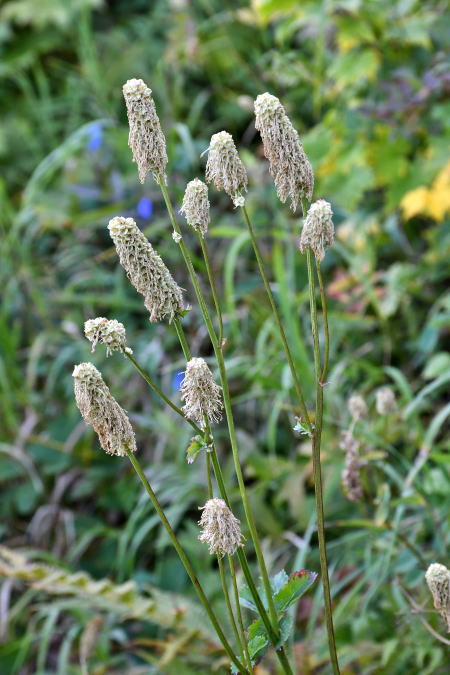
Sanguisorba tenuifolia var. alba
A view of Mount Chōkai from Haraigawa
the autumn foliage of maples
Autumn leaves of Viburnum
Silver grass swaying with Mount Chōkai beyond
Ryūgahara Marsh
Swertia japonica (commonly known as Senburi)
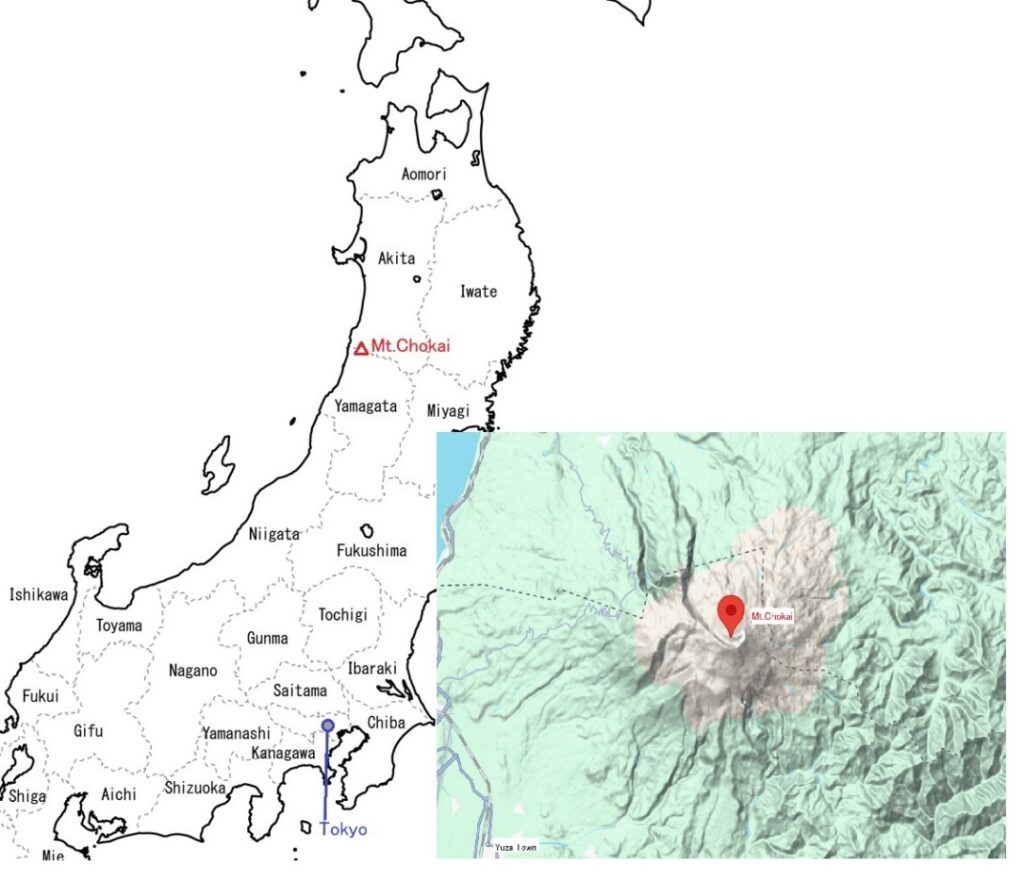
Mount Chokai :Rising above the Sea of Japan coast, Mount Chōkai (2,236 m), lying on the border of Akita and Yamagata Prefectures, is a sacred volcano admired for its graceful, Fuji-like shape. The mountain is home to a rich ecosystem, from alpine flowers to colorful forests in autumn, and offers seasonal landscapes along with a cultural heritage that continues to inspire visitors.