Ōno’s 50-Year Journey to Protect Its Water Cycle
Episode 2: When the Water Disappeared
“We Almost Lost Our Water”Falling Groundwater Levels and the Drying of Springs
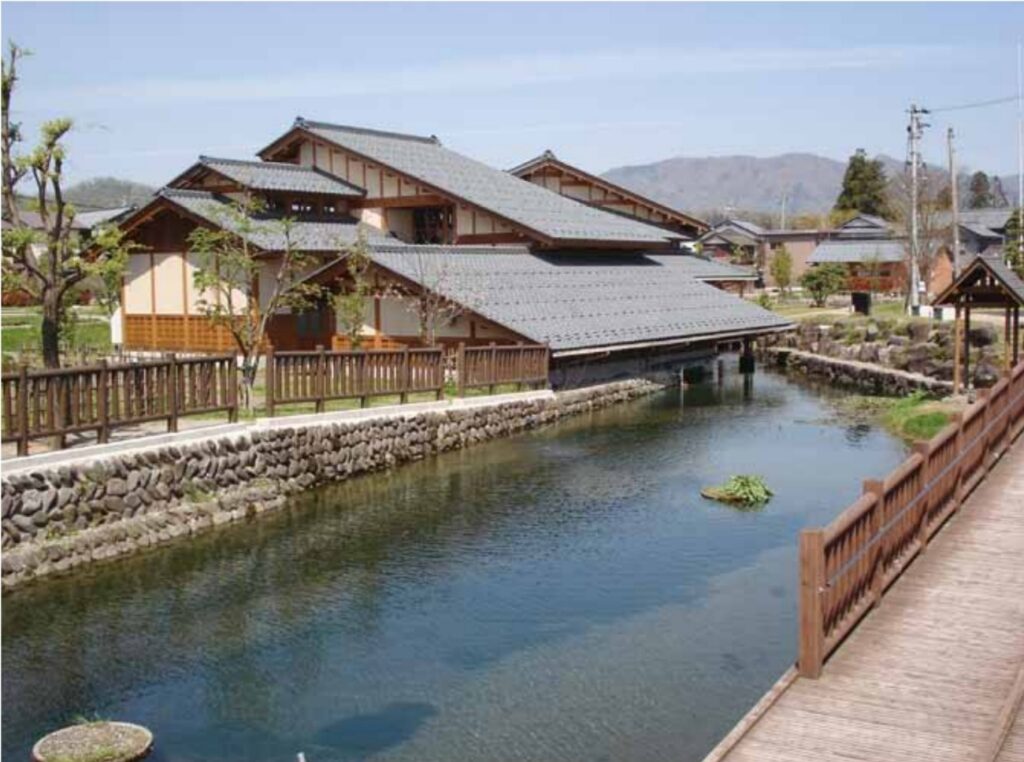
Ōno City has long lived in close relationship with its abundant spring water. However, from the late 1960s through the 1970s, groundwater levels began to decline.
At the peak of this crisis, approximately 1,000 households experienced their wells running dry. Renowned spring sources such as Oshozu—selected as one of Japan’s 100 Exquisite Waters—and Hongan
Shozu—later designated among the Heisei Era’s 100 Exquisite Waters—also ceased to flow.Several factors have been suggested as contributing causes:
1. The construction of dams upstream on the Kuzuryu and Mana Rivers
2. Land improvement projects in upstream urban areas, which reduced natural fields and weakened the land’s water retention capacity, thereby decreasing groundwater recharge
3. The expansion of the textile industry, with approximately 200 factories in the city drawing heavily on groundwater resources.
Changing Conditions in the Water Environment
Changes in land and water use, population decline, and climate change associated with global warming have all altered the natural water cycle.
As a result, challenges such as flooding, water shortages, and impacts on ecosystems have become increasingly apparent.
These developments have heightened awareness of the need to maintain a “sound water cycle.”
Citizen-Led Action: Restoring the Habitat of the Itoyo
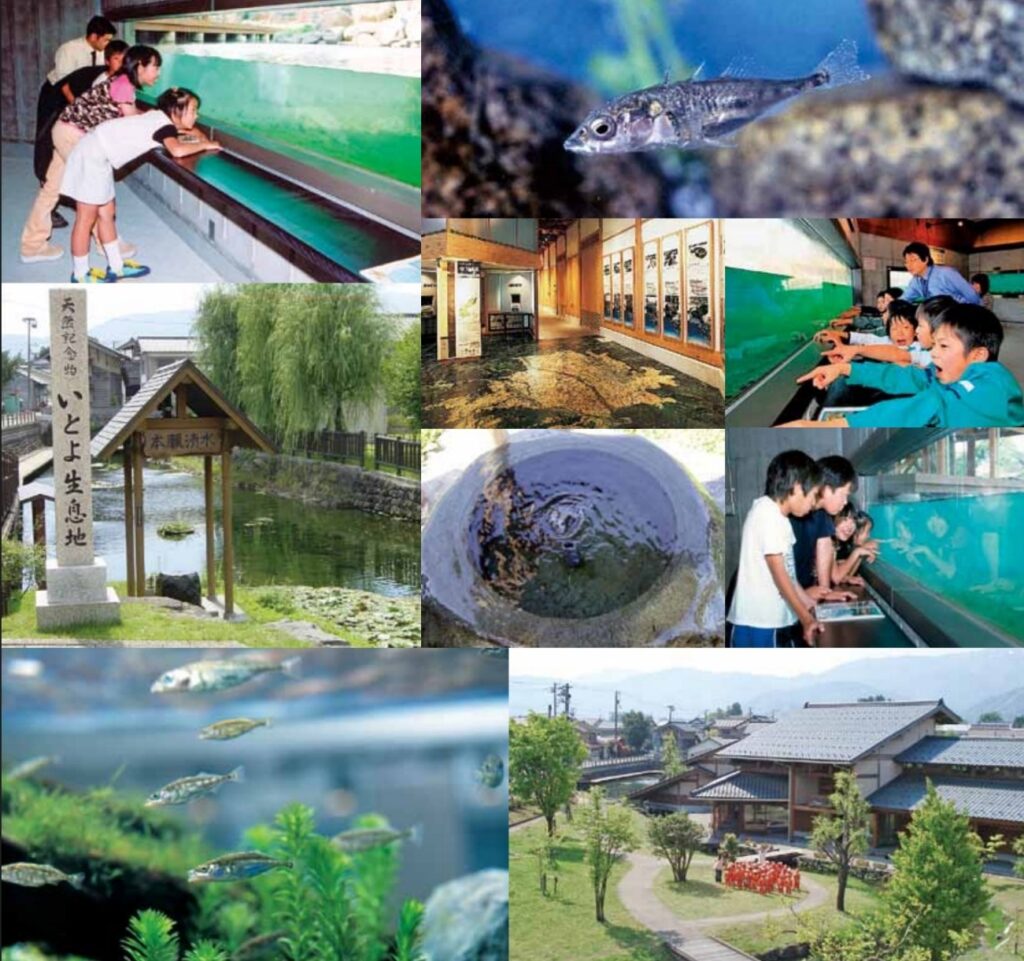
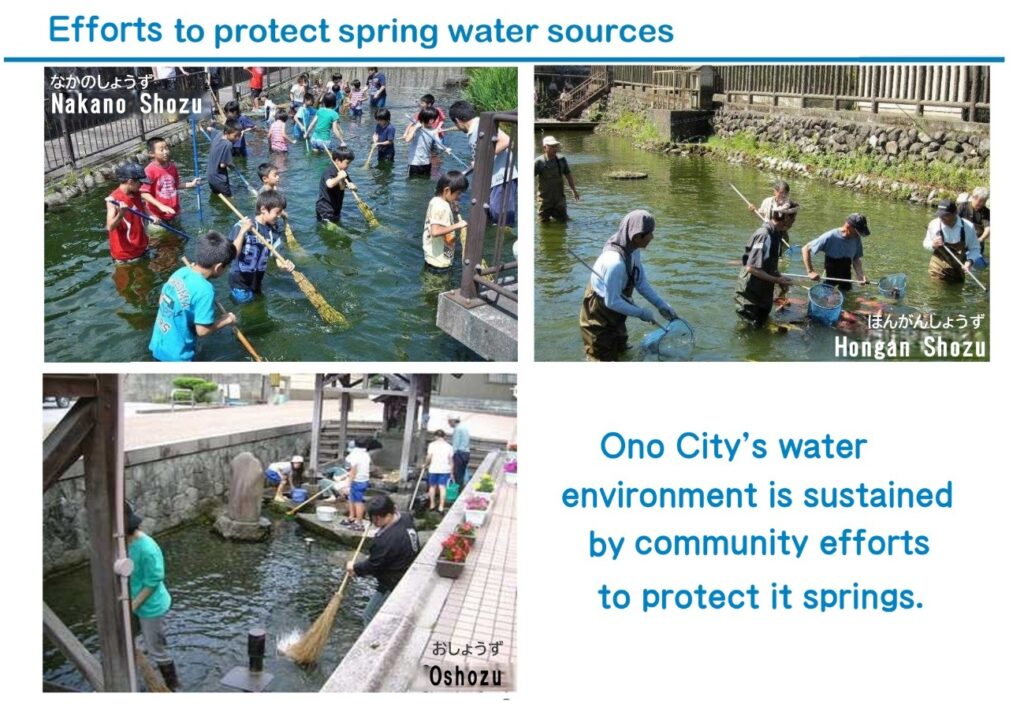
One example of civic engagement is the ongoing conservation effort at Hongan Shozu, a habitat of the Itoyo (freshwater stickleback), designated as a National Natural Monument.
In the past, local children would swim and play alongside these small fish. However, in 1978, the spring ran dry, leaving the habitat in a state of near collapse.
In response, citywide efforts to restore the spring began in the early 1980s.
Through sustained initiatives—including joint cleanup activities involving elementary school children and adults—some of these spring sources have since been revived.
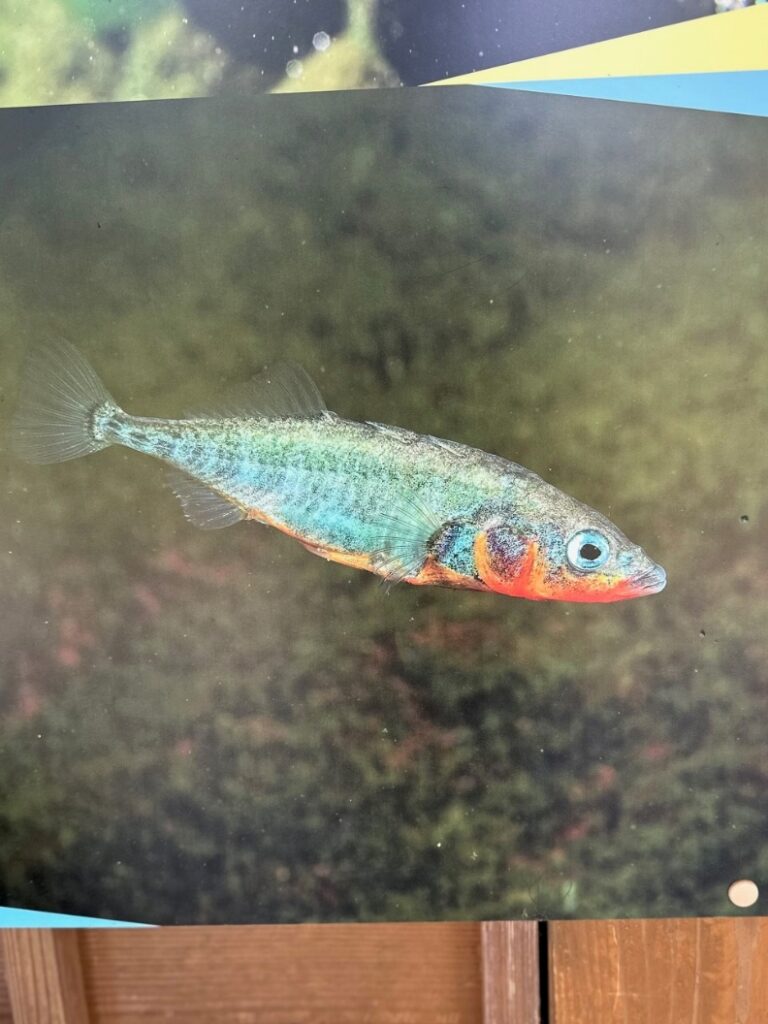
Approximately 5 cm long
Photo: Yasuyuki Hata
About the Itoyo
• A small fish that has inhabited the Earth since the Ice Age, surviving only in cold, clean water
• Its population declined sharply in the postwar and high-growth periods
• Now found only in extremely limited locations, and still decreasing
Within Ōno City, the species is present at only a few sites, including Hongan Shozu and Nakano Shozu.
• Ministry of the Environment: Listed as a Threatened Local Population (LP)
• Fukui Prefecture: Classified as Endangered Category I (landlocked type)
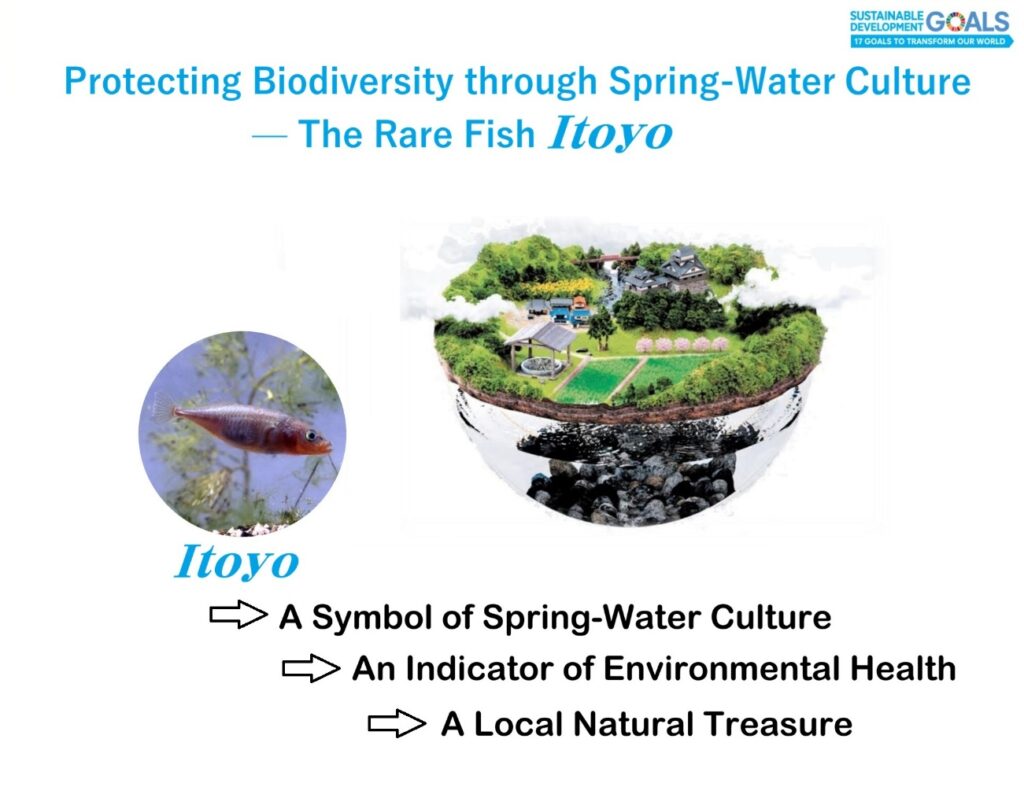
As a biological indicator of environmental quality, the Itoyo is an exceptionally valuable species.