
Part 7: Ashikuraji and Iwakuraji
– Settlements Supporting Tateyama Worship –
Hello everyone, I am Yasuhiko Takano, Director of the Toyama Prefectural Tateyama Museum.During the Edo period (1603-1868), pilgrims who visited Mount Tateyama for zenjō ascetic climbing were assisted with lodging and mountain guidance by two settlements located at the foot of the mountain: Ashikuraji and Iwakuraji.
In this installment, I will introduce the characteristics of these communities, which functioned as key bases of Tateyama faith.
(1) Settlements as Religious Bases
Ashikuraji and Iwakuraji flourished as central settlements supporting Tateyama worship during the Edo period. Earlier sources suggest that there had once been seven such religious communities. A document dated 1815 records that although temples were originally established in seven locations by the founder of Tateyama worship, only Ashikuraji and Iwakuraji remained active in later times.
Both settlements were under the authority of the Kaga Domain. The heads of the shukubō (pilgrim lodgings combined with religious facilities) were regarded as monks and were known as shuto. While fulfilling religious roles, they also engaged in agriculture and slash-and-burn cultivation, living in a manner often described as “half monastic, half secular.”Each settlement maintained an organization known as issan, a form of religious self-governance responsible for managing rank, communal land, and relations with domain authorities. Historical documents such as the Ashikuraji Issan Recordsprovide insight into the strict regulations governing these communities.
(2) The Settlement of Ashikuraji
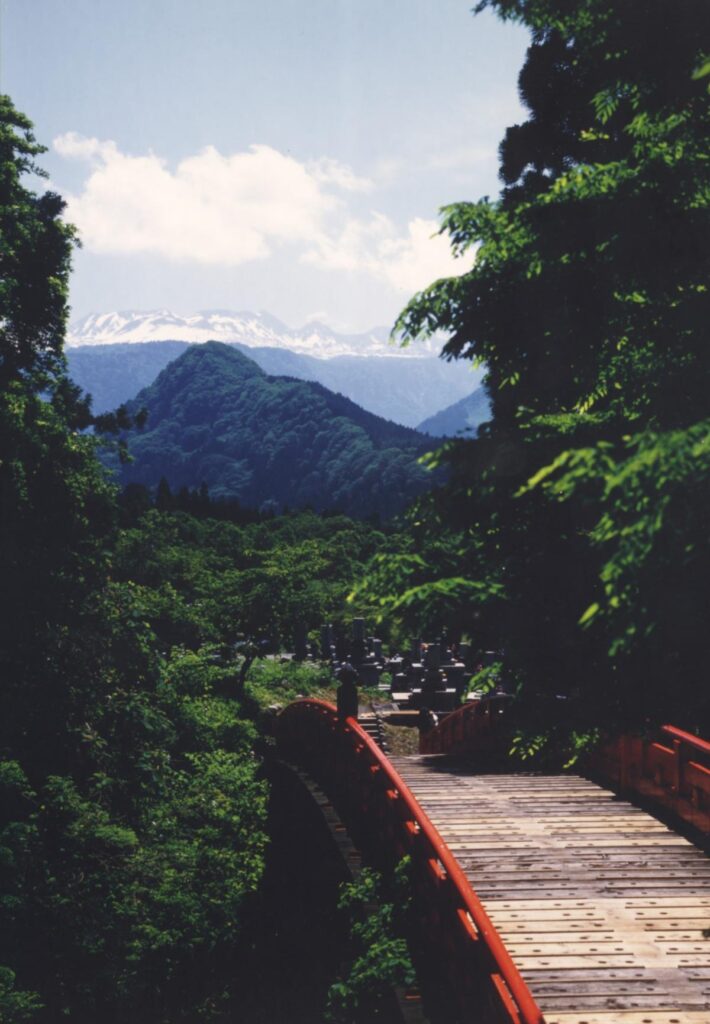
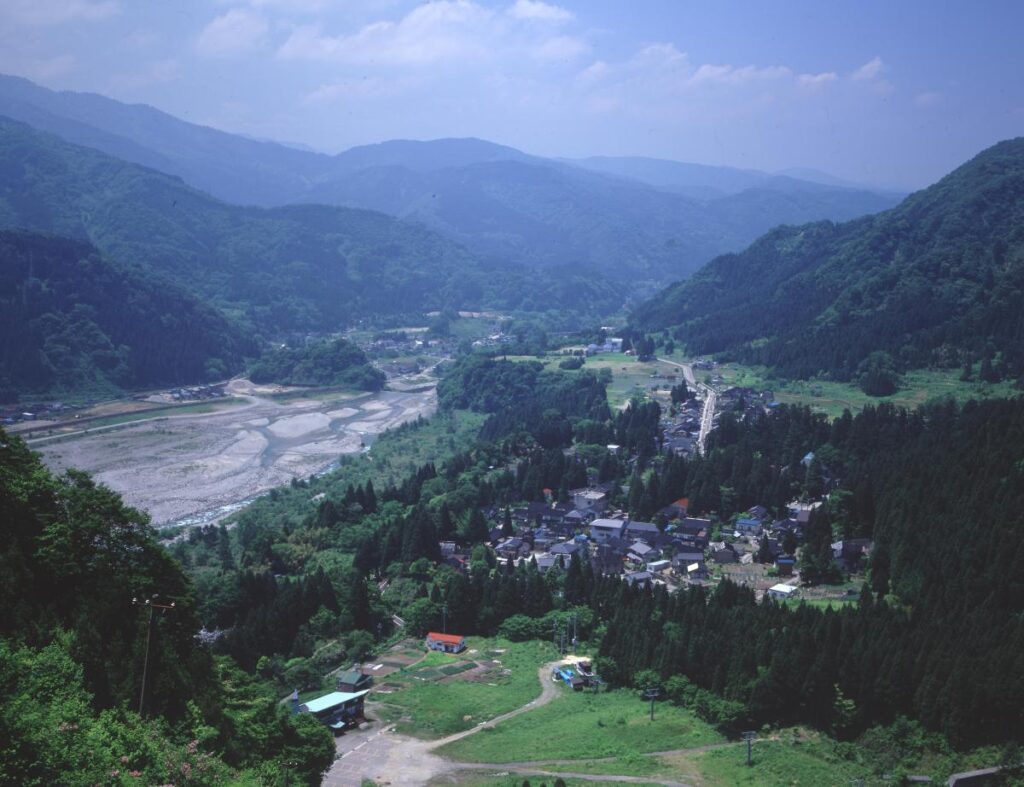
Ashikuraji is located on a river terrace along the Jōganji River at an elevation of approximately 400 meters. The natural environment was not well suited to rice cultivation, and local livelihoods developed through slash-and-burn agriculture, charcoal production, and hunting.
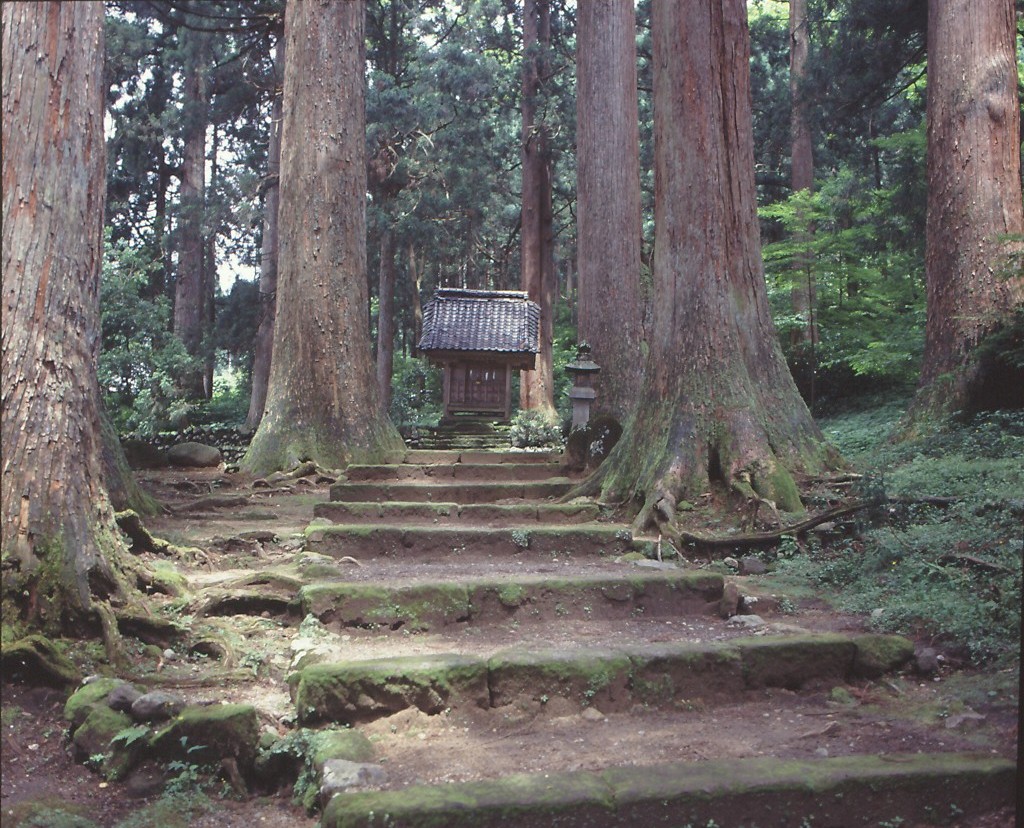
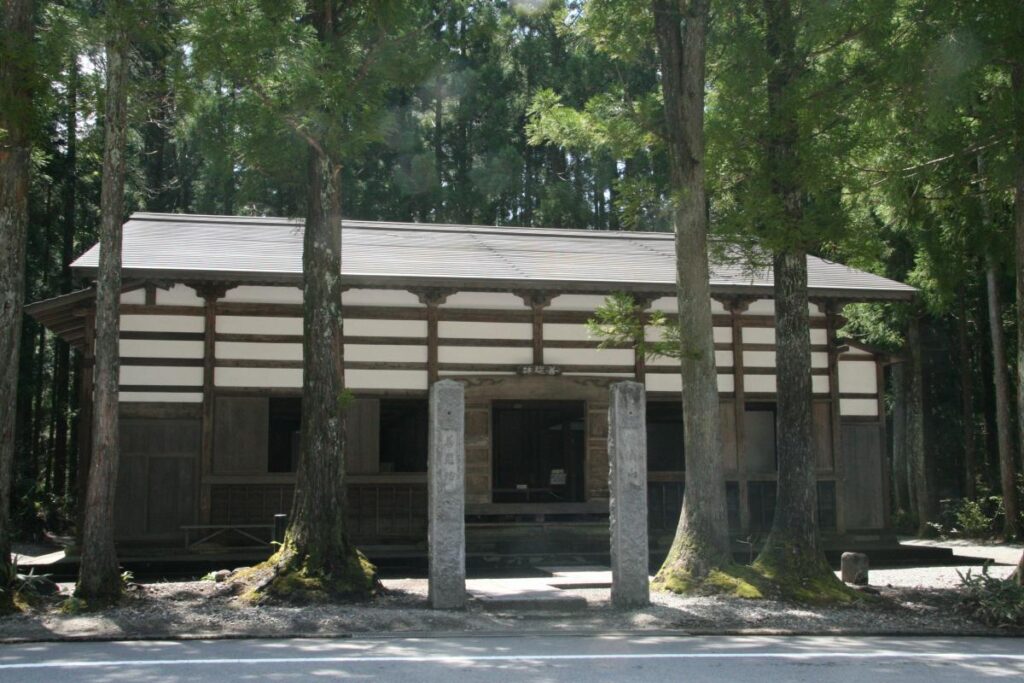
By the early nineteenth century, the Ashikuraji issan consisted of 33 shuto and five shrine priests, living together with farming households. The central temple complex was Chūgū-ji, which included precincts dedicated to Tateyama Gongen and to the Uba Hall.
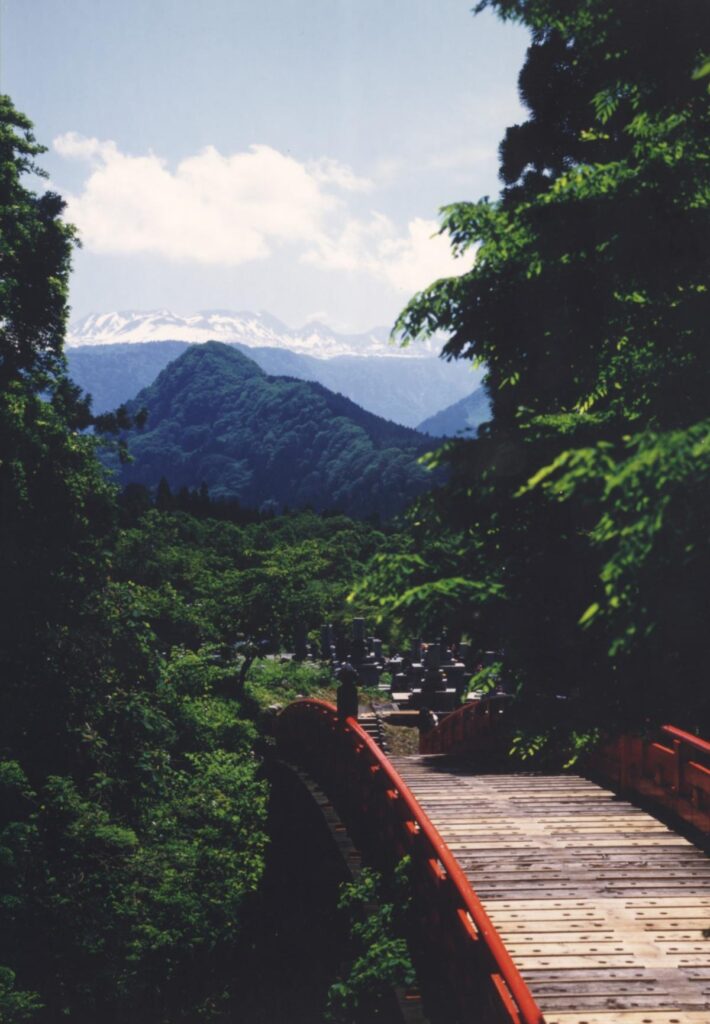
Important structures such as the Niō Gate, Enma Hall, and Bell Tower once formed part of the sacred landscape. A distinctive ritual known as the Nunobashi Kanjo-e was performed each autumn for women seeking rebirth in the Pure Land. During this ceremony, a bridge covered with white cloth symbolized the passage to the other world. Nearby stood the Uba Hall, where numerous images of Uba, a mountain deity, were once enshrined.
(3) The Settlement of Iwakuraji
Iwakuraji lies on a lower river terrace at about 100 meters elevation, where rice cultivation was feasible. Up to 24 shutoresided there with farming households. Their duties included prayers for the well-being of the Kaga Domain and the maintenance of sacred sites within the Tateyama mountains.The central temple was Tateyama-ji, now known as the Mae-tate Shadan of Oyama Shrine. Its main hall, built in a late Muromachi period (1336-1573) style, is designated an Important Cultural Property of Japan. Within the precincts stood various halls dedicated to deities associated with Tateyama worship, collectively referred to as the Two Great Gongen of Tateyama.
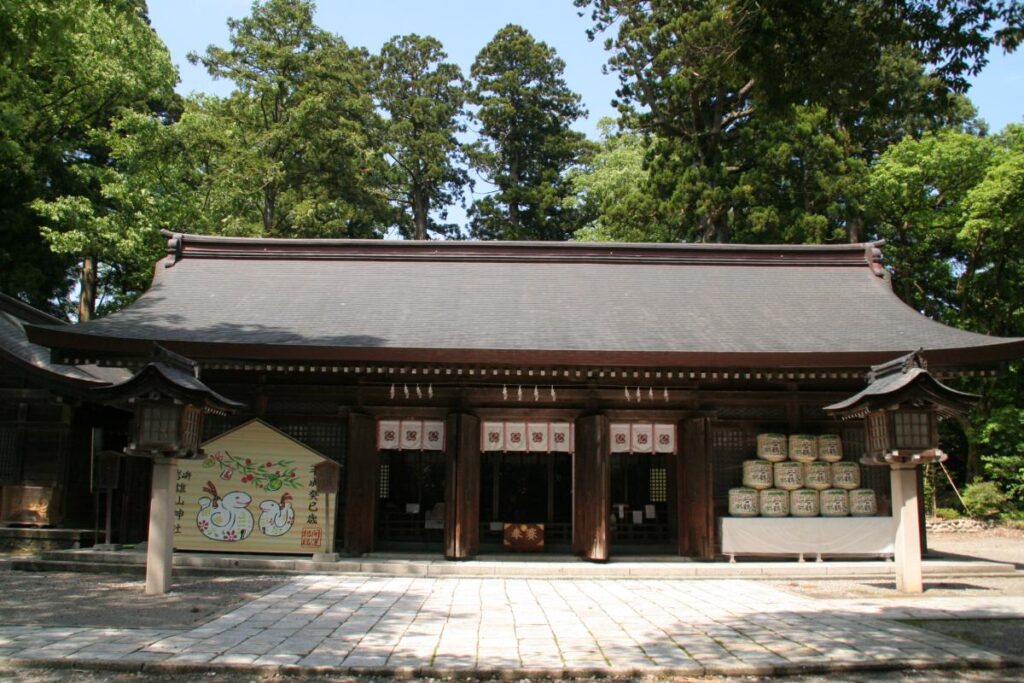
Thus, in the religious landscape of Tateyama, Iwakuraji functioned as the entrance to the sacred domain of the mountain, marked by its great torii gate, while Ashikuraji represented the threshold to the other world, symbolized by the Nunobashi Bridge and the cult of the mountain deity Uba.
Together, these settlements supported the reception of more than 6,000 pilgrims each summer season.
In the next installment, I will introduce how Tateyama faith spread throughout different regions during the Edo period.
Visitors today can still experience this history at the Tateyama Museum, where former shukubō buildings are preserved and open to the public.
# https://www.yamanohi.net
# Toyama Prefectural Tateyama Museum
# Mountain Faith
# Ashikuraji
# Iwakuraji
# Tateyama-ji
