
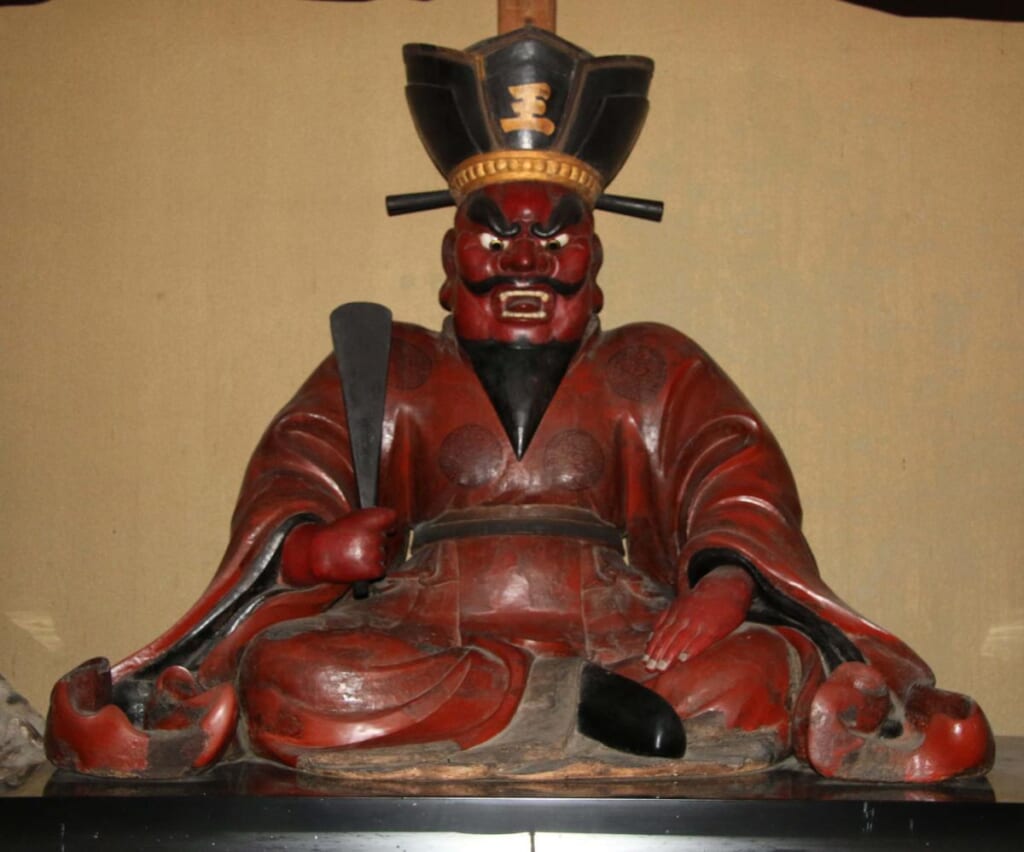
Since August 2025, the Japan Mountain Day website has carried a twelve-part series on “Tateyama Faith.” The series reached its final installment on July 2026.
How have the Japanese people related to mountains through the centuries? And how deeply have mountain worship and mountain religion shaped Japanese views of nature, spiritual culture, and even the development of society itself?
These questions had long made me want to explore mountain religion on the Mountain Day website. For some time, however, I could not find the right way to begin.
Then, through Masanori Aoyagi, former Commissioner for Cultural Affairs and a councilor of the Japan Mountain Day Foundation, and Ryuichi Ishii, former Governor of Toyama Prefecture, I was introduced to Yasuhiko Takano, Director of the Tateyama Museum of Toyama. That encounter made this series possible.
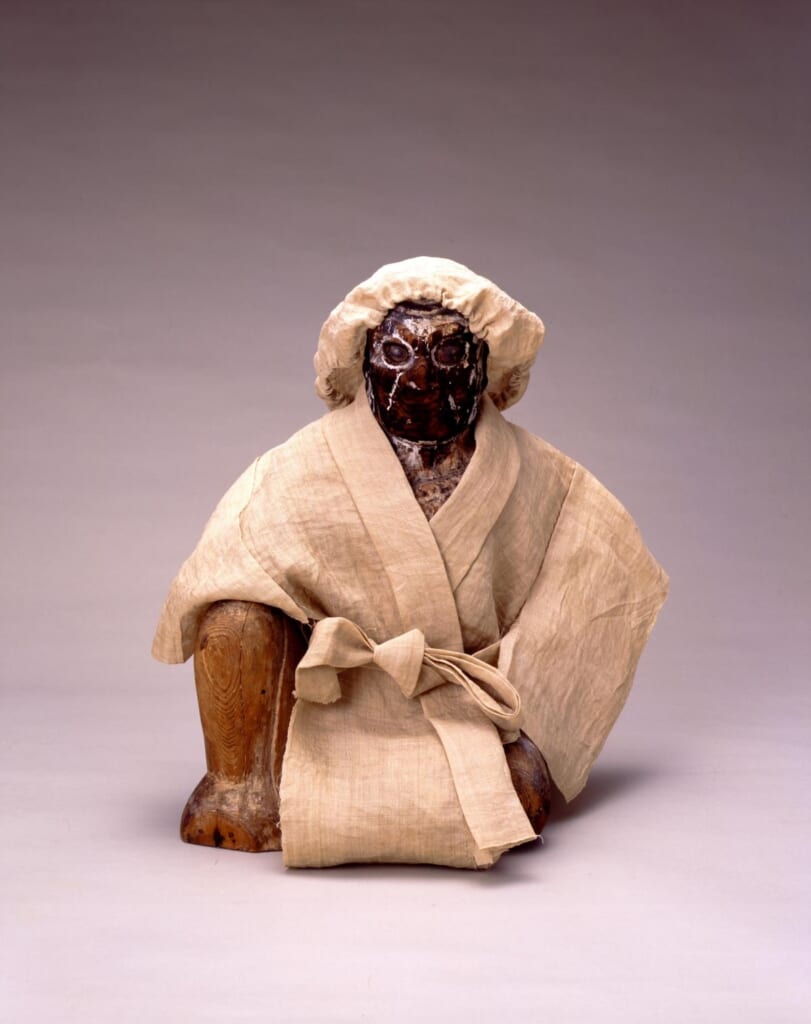
Over the twelve installments, I learned a great deal about Tateyama faith.
More than that, however, the series made me realize how little I myself had known about Japan’s mountains, and about the relationship between the Japanese people and mountains.
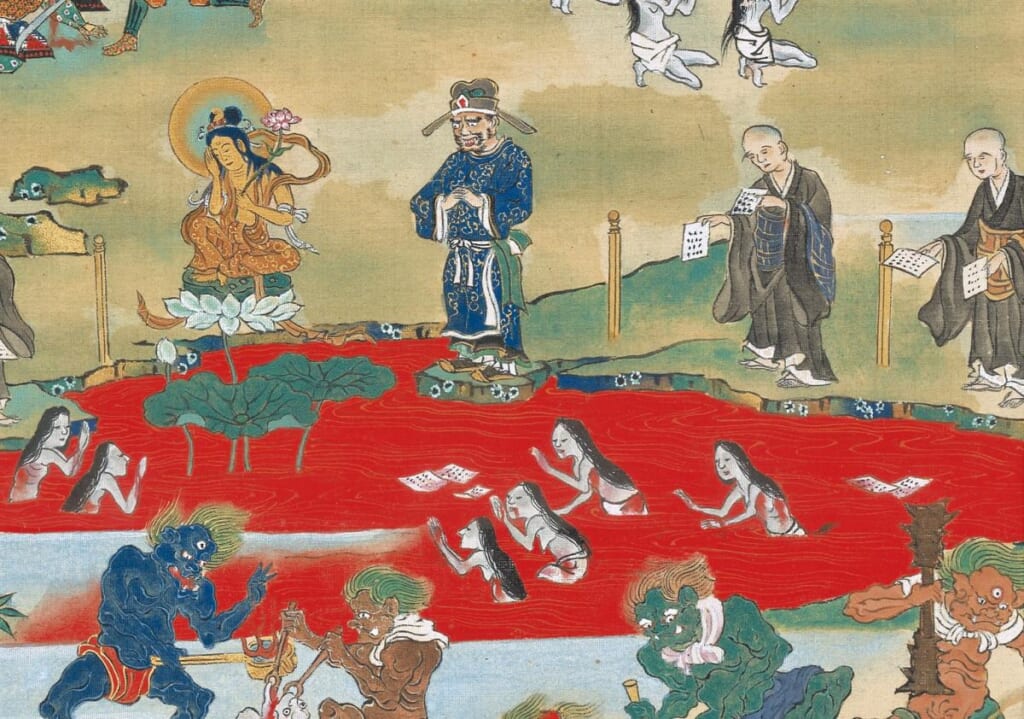
And to my great pleasure, “Tateyama Faith” did not end as a single, self-contained series.
It led naturally to Katsuhiro Shimizu’s “The Adventures of Enku,” and now to “The Shikoku Pilgrimage,” a new series by Takahiro Katagiri, Director of the Sanuki City Henro Museum, scheduled to begin next month.
From Tateyama to Enku, and then to the Shikoku pilgrimage.
At first glance, these may seem to be quite different subjects. Yet a common thread runs through them: mountains and faith, nature and people, and the culture that the Japanese have nurtured over many centuries.
What this series revealed was not only Tateyama. Across Japan, every region has its own culture—formed through people’s relationship with mountains and handed down from one generation to the next.
Looking ahead, we hope to explore not only widely known mountain traditions such as Dewa Sanzan, Mount Koya, and the worship of Mount Fuji, but also the smaller, less visible relationships between local communities and mountains that still survive throughout Japan.
Prayers to mountain deities, festivals and kagura, livelihoods shaped by forestry and water, and local knowledge nurtured together with forests—each of these deserves to be rediscovered, recorded, and shared, not only within Japan but with people overseas as well. I believe this, too, is one of the roles that Mountain Day can play.
For our English-language website, this is also an opportunity to make our editorial direction clearer. Rather than simply translating everything published in Japanese, we want to draw on the depth and continuity of the Japanese-language website, select stories that offer a distinctive perspective on mountains and people, and present them in a form that can speak to readers beyond Japan. The Tateyama Faith series is one example of how a local story can open a window onto broader questions of culture, nature, and the human relationship with mountains.We would be delighted to hear about traditions and stories from your own region that express the relationship between mountains and people.
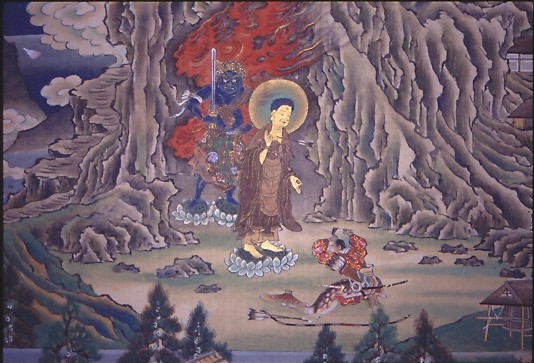
My sincere thanks to Director Takano and everyone at the Tateyama Museum of Toyama for sharing this journey with us over the past year.
Masahiko Kaji
Representative Director, President
Japan Mountain Day Foundation
#Tateyama Faith
#Mountain Faith
#Tateyama Museum
#Japan Mountain Day Foundation
#National Holiday Mountain Day
# FAO Mountain Partnership
