
— Nature Notes by Mouzuika (Yuukou Saito) —
Episode 1
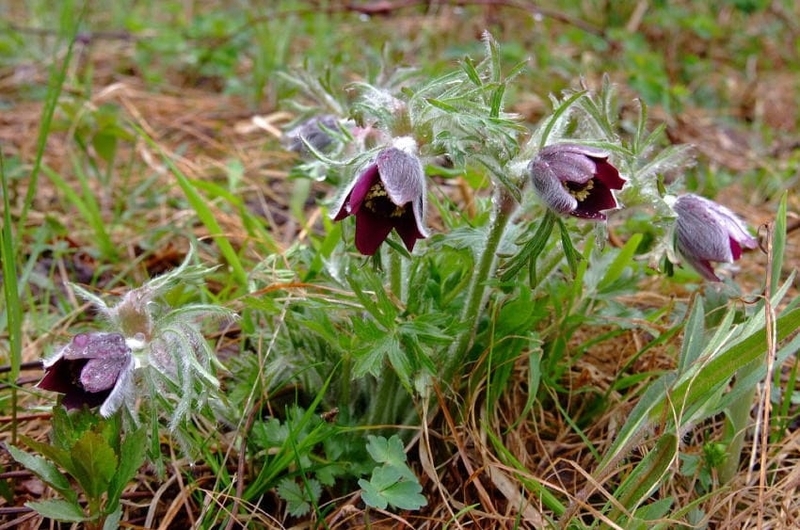
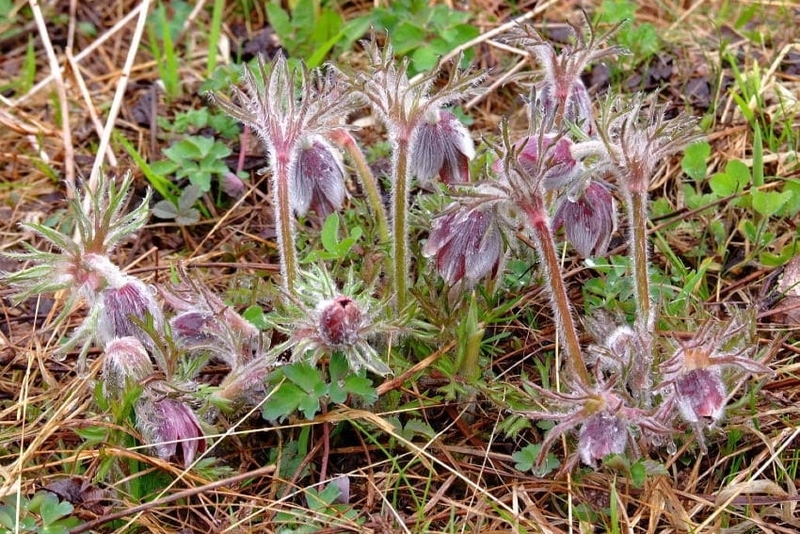
Enchanted by Okina-gusa (Japanese pasqueflower)
I believe I was in the second or third grade of elementary school.
Near my family home in Yokote City, Akita Prefecture, I found several wild okina-gusa flowers blooming along a farm road.
That encounter was what first drew me toward plants.
But by the following year, the flowers had disappeared.
Sixty years ago, okina-gusa could still be found growing casually along roadsides in rural Akita.
Afterward, however, farmland consolidation and the concrete lining of irrigation channels rapidly transformed the landscape.
The contributor known as Mouzuika reflects, over the course of five essays, on a life shaped by plants — from childhood encounters with wildflowers to the years after retirement devoted to observing nature.
Mouzuika (Yuukou Saito)
Lives in Akita City.
He studied plant ecology at university.
After graduation, he worked in a field unrelated to his academic specialty, yet his habit of observing flowers never faded.
Today, he walks through the mountains and fields of the Tohoku region, recording plants and landscapes on his blog under the name “Mouzuika.”
Drawn to Spring Ephemerals
I was probably in the fifth or sixth grade of elementary school, around the mid-1960s.
Once I became old enough to ride a bicycle farther from home, I often visited relatives living near the foothills of Mt. Kurikoma and other mountains.
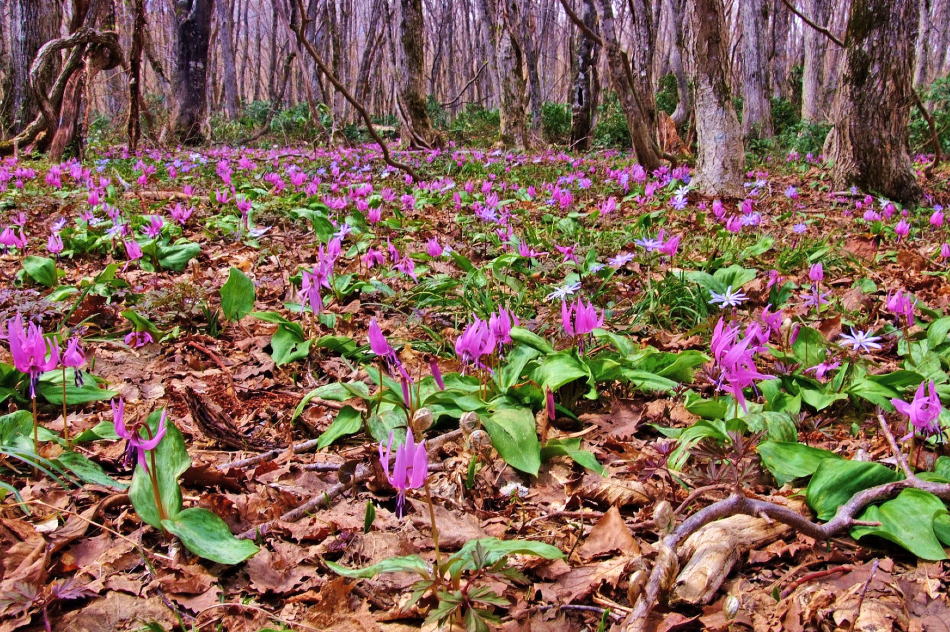
Walking through those mountain valleys in spring, I encountered flowers unlike anything I had seen near my home.
They bloomed in rich shades of crimson-purple, blue-violet, yellow, and white.
Many spread across the forest floor in dense carpets of color.
These were the plants now known as spring ephemerals — flowers such as katakuri lilies, wild anemones, and corydalis.I was completely captivated by those hidden spring gardens.
Much of my botanical knowledge had already been acquired through self-study before entering university.
Wanting to study plants more deeply, I enrolled in the Department of Biology at Yamagata University and specialized in plant ecology.
After graduation, however, I found work in a field unrelated to my academic training.
At most, I occasionally enjoyed hiking with colleagues from work.
After retirement, I hoped to travel widely in search of alpine landscapes and mountain flowers. Yet family caregiving responsibilities and the COVID pandemic gradually led me to focus instead on the mountains of northern Tohoku — Akita, Aomori, Iwate, and Yamagata.
As a result, I began returning repeatedly to places that could be reached on day trips from Akita City.Today, I concentrate on searching for little-known landscapes and seasonal flower scenery hidden within that range.
Returning to the Same Places
I often revisit the same places again and again.
The way flowers bloom changes greatly depending on the year and the progression of the seasons.
I do not believe a flower can truly be understood through a single encounter — or a single photograph.
Even the same flowers and mountain landscapes reveal new discoveries every year.
Among the places I continue returning to, some views have become especially dear to me.
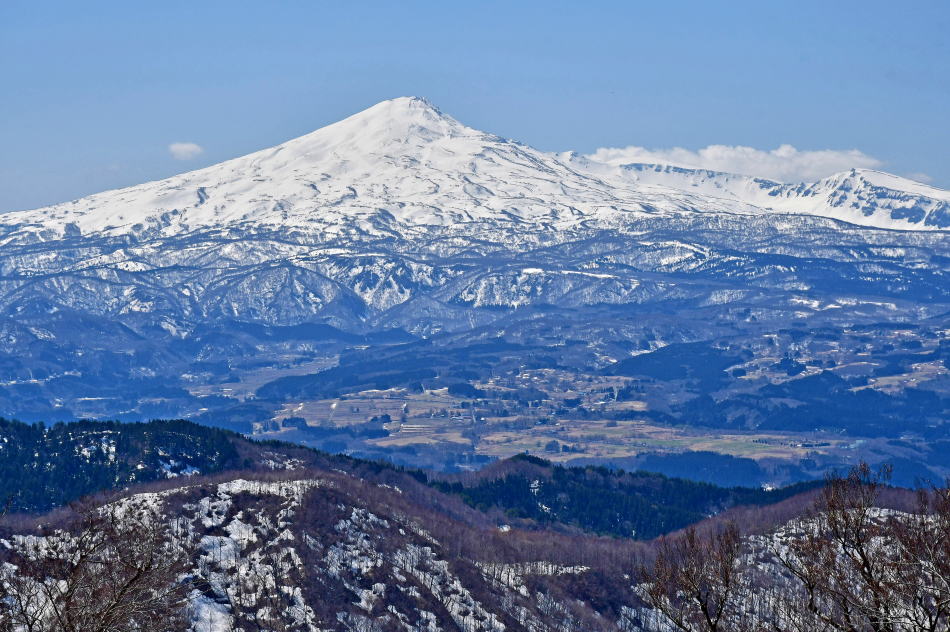
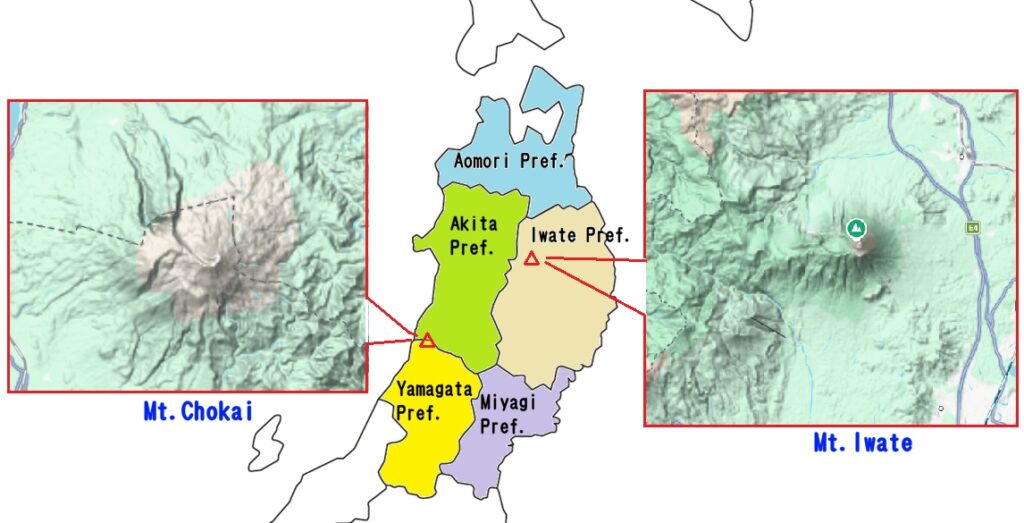
One of them is Mt. Chokai, particularly the view from Mt. Yashio, which remains one of my favorites.
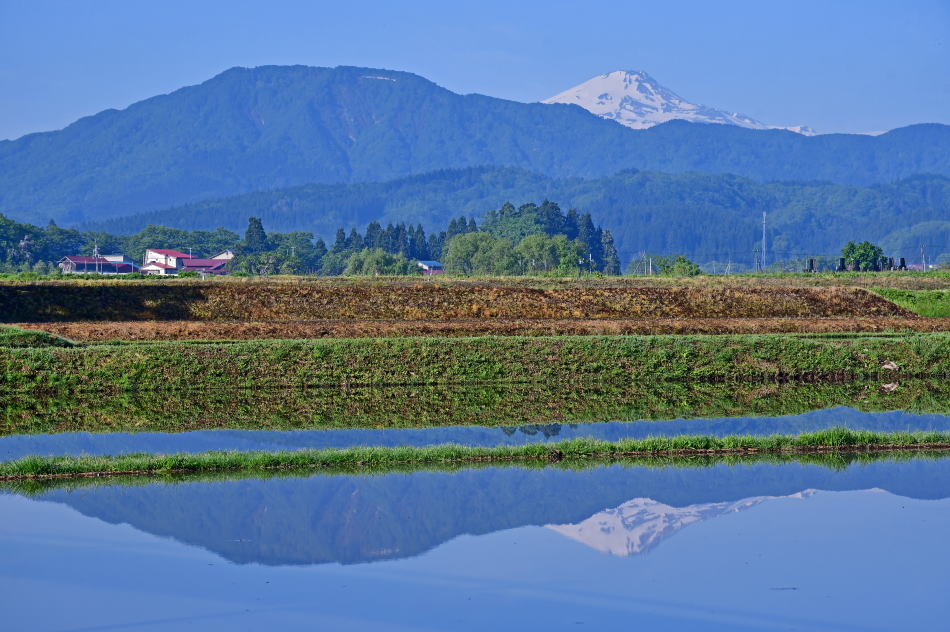
Viewed from Yurihonjo City
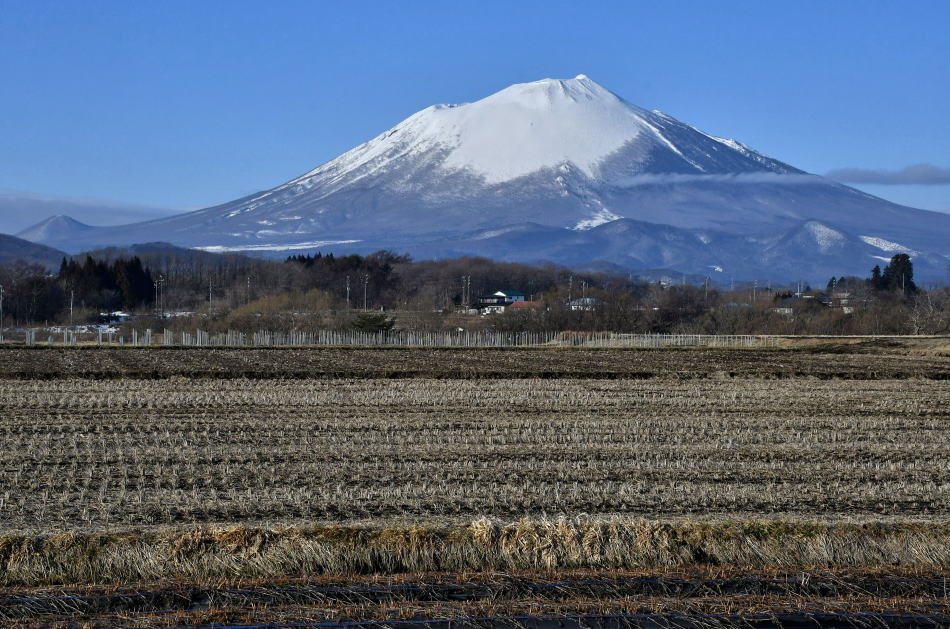
I am also fond of lesser-known views of Mt.Iwate.
Perhaps leaving these records behind is a kind of proof that I lived.
Still, blogs and websites will probably vanish into digital debris once their creators are gone.And since around 2024, the increasing presence of bears and the rapid decline of my own physical strength have made serious mountain climbing more difficult than before.
#Japan Mountain Foundation
#Spring Ephemerals
#Akita Prefecture
#Mt.Chokai
#Mt.Iwate
