
Episode 12: Learning How Nature and People Have Lived Together at Tateyama
By Takano, Director, Toyama Prefectural Tateyama Museum
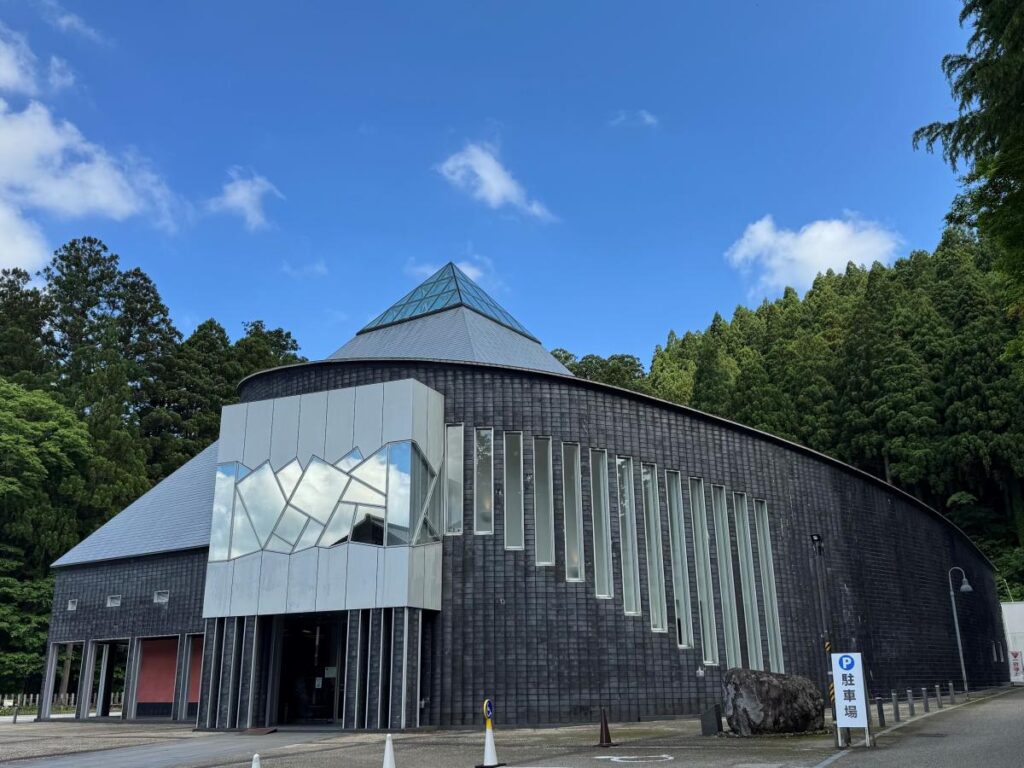
Hello, everyone. I am Takano, Director of the Toyama Prefectural Tateyama Museum.
Throughout this series, we have explored the spiritual world of Tateyama Faith, which developed amid the magnificent natural environment of Mount Tateyama.
The Tateyama Museum is a unique prefectural museum that preserves and presents both the natural environment and the cultural history of Tateyama. In addition to its exhibition facilities, the museum makes use of the historic landscape, temples, lodgings, and archaeological remains throughout the Ashikuraji district, once the center of Tateyama worship.In this final episode, I would like to introduce the museum itself.
(1) The “Teaching World” Zone
The Tateyama Museum is unlike most museums in Japan.
Rather than concentrating everything in a single building, the entire Ashikuraji district functions as one large museum. This extensive site is divided into three thematic areas:
• The Teaching World (Kyōkai)
• The Sacred World (Seikai)
• The World of Experience (Yūkai)
The main Exhibition Hall is located in the Teaching World.
Designed by the renowned architect Arata Isozaki, it houses two permanent galleries:
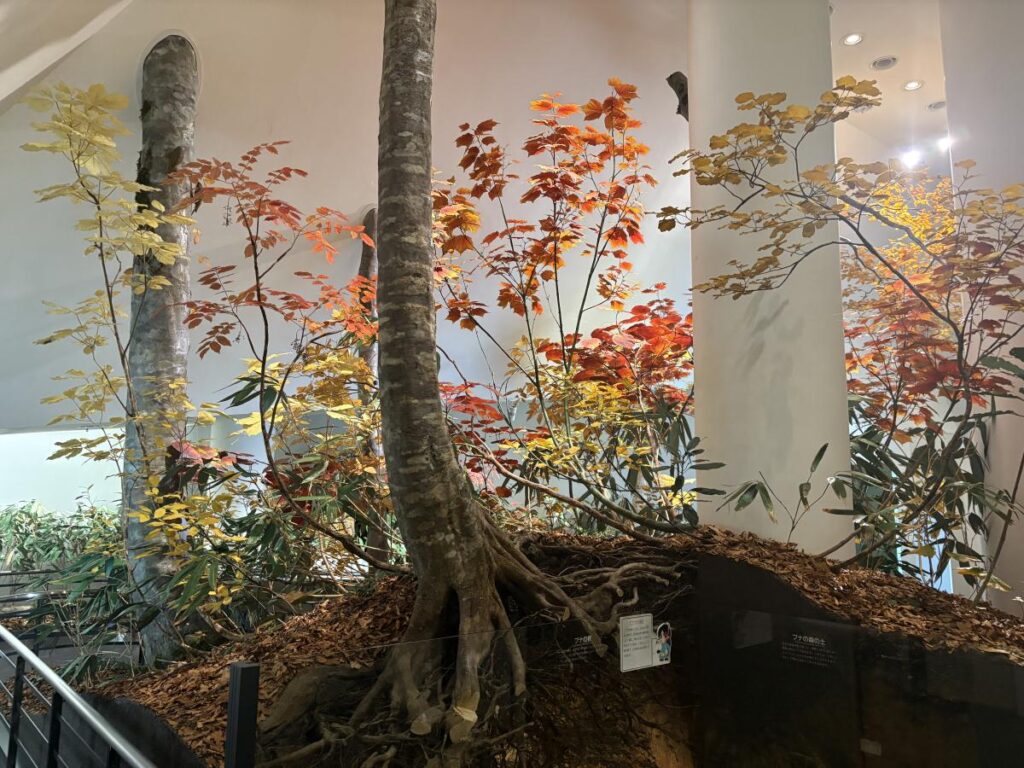
• Nature and Daily Life around Tateyama
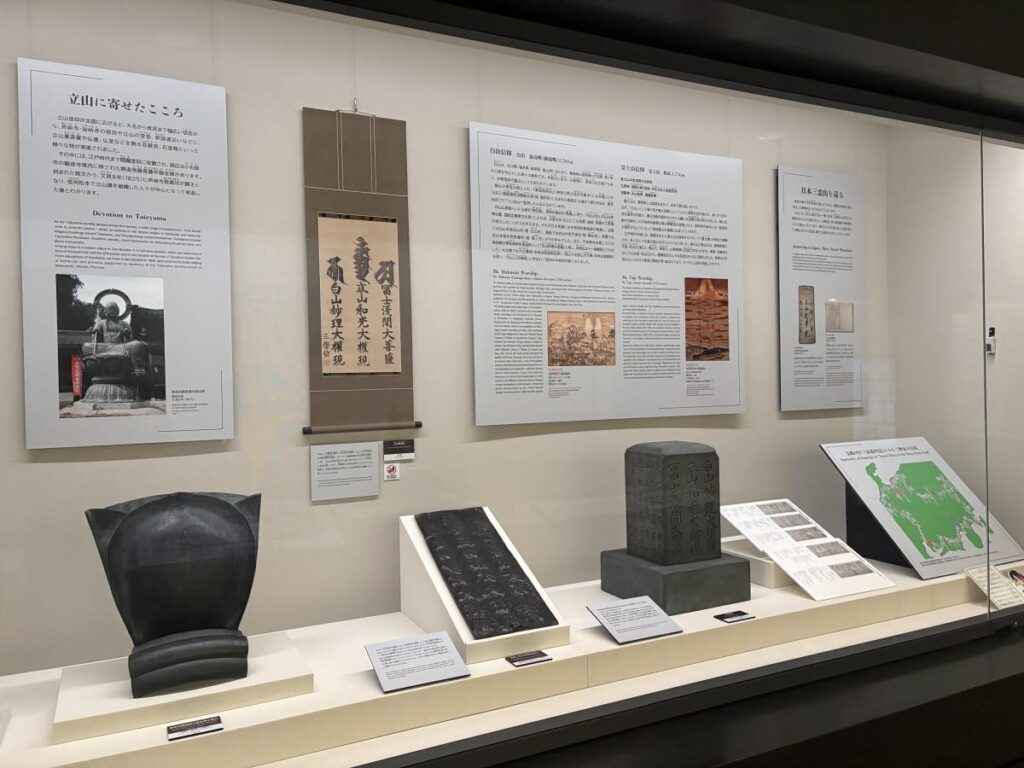
• The World of Tateyama Faith
Visitors can discover Tateyama’s natural environment, history, and religious traditions through important cultural treasures—including a bronze pilgrim’s staff finial and a bronze statue of Taishakuten, both designated Important Cultural Properties—as well as interactive touch panels and digital displays.
The museum also hosts two special exhibitions each year.
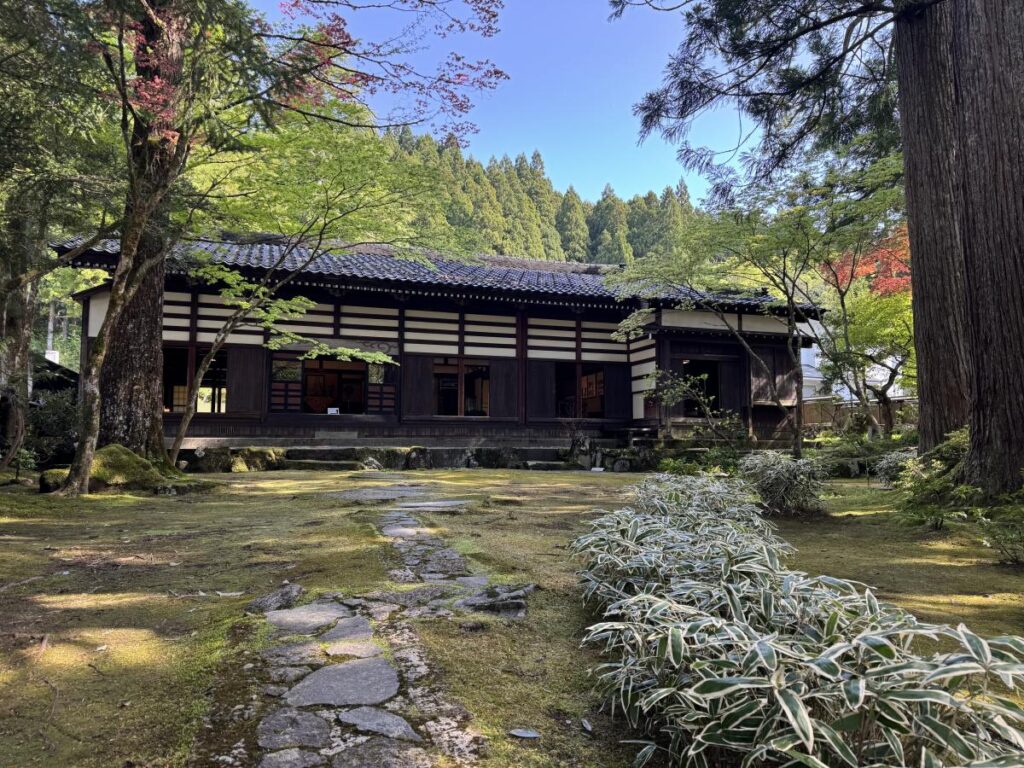
Next to the Exhibition Hall stands Kyōsanbō, one of the few surviving Edo-period pilgrims’ lodgings. Its beautiful garden has been selected as one of Toyama’s One Hundred Finest Gardens.
Nearby is the Mountain Heritage Museum, which preserves valuable historical materials related to Japanese mountaineering.
Together, these facilities offer visitors a rich introduction to the mountain culture of Tateyama.
(2) The “Sacred World” Zone
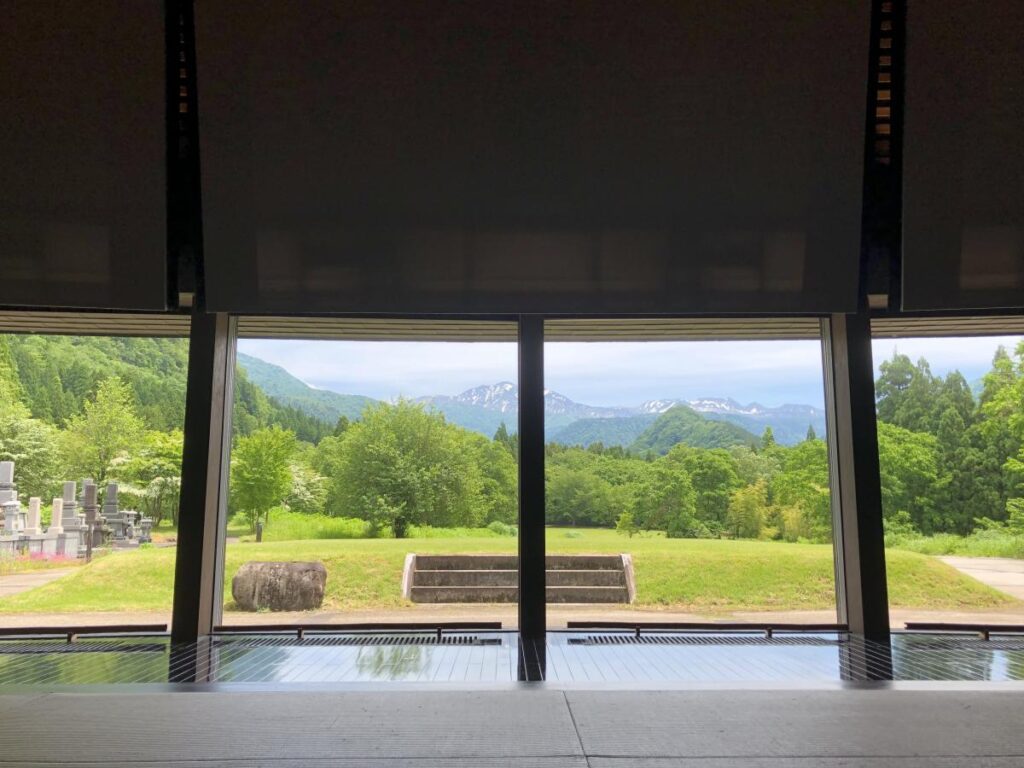
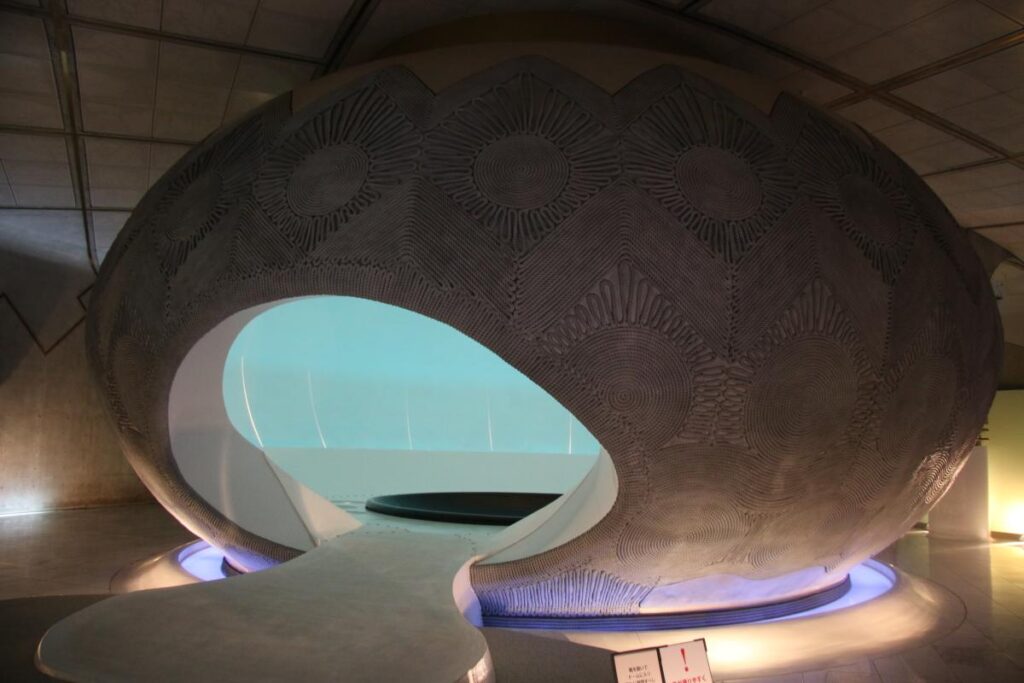
The Sacred World centers around the Yōbōkan Theater.
Here, visitors experience the natural beauty of Tateyama and the symbolic world of the Tateyama Mandala through an impressive three-screen presentation.
At the end of the film, the screens rise dramatically. On clear days, visitors are rewarded with a breathtaking view of the actual Tateyama Mountains beyond.
The surrounding area includes the Nunobashi Bridge, the remains of Ubadō Hall, Enmadō Hall, and numerous stone Buddhist statues.
A leisurely walk through these historic sites allows visitors to experience the atmosphere of centuries-old mountain worship.
(3) The “World of Experience” Zone
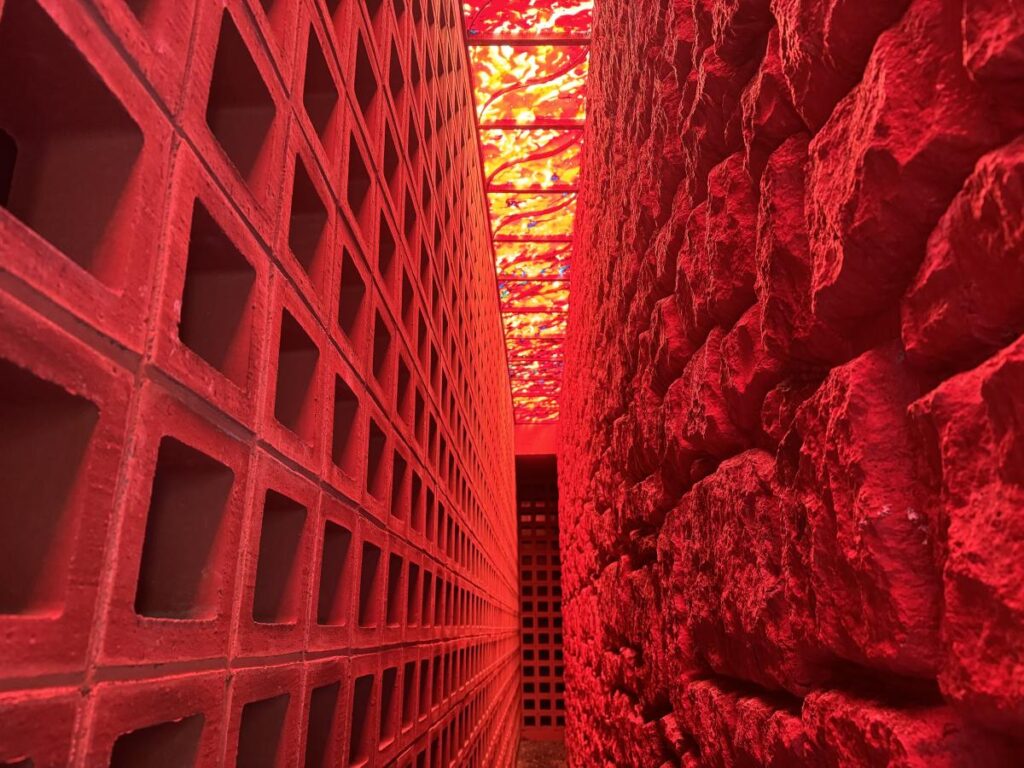
The third area is Mandala Yūen, designed by architect Kijō Rokkaku.
This unique outdoor museum recreates the symbolic universe of the Tateyama Mandala through sculptures, light, sound, fragrance, and other sensory effects.
Visitors journey through symbolic realms—including the Underworld, the Path of Light, Heaven, and the Dark Path—experiencing the spiritual world of Tateyama with all five senses.
Today, the site is affectionately known as “a theme park of Heaven and Hell,” attracting visitors with an experience unlike anywhere else in Japan.
The area also includes:
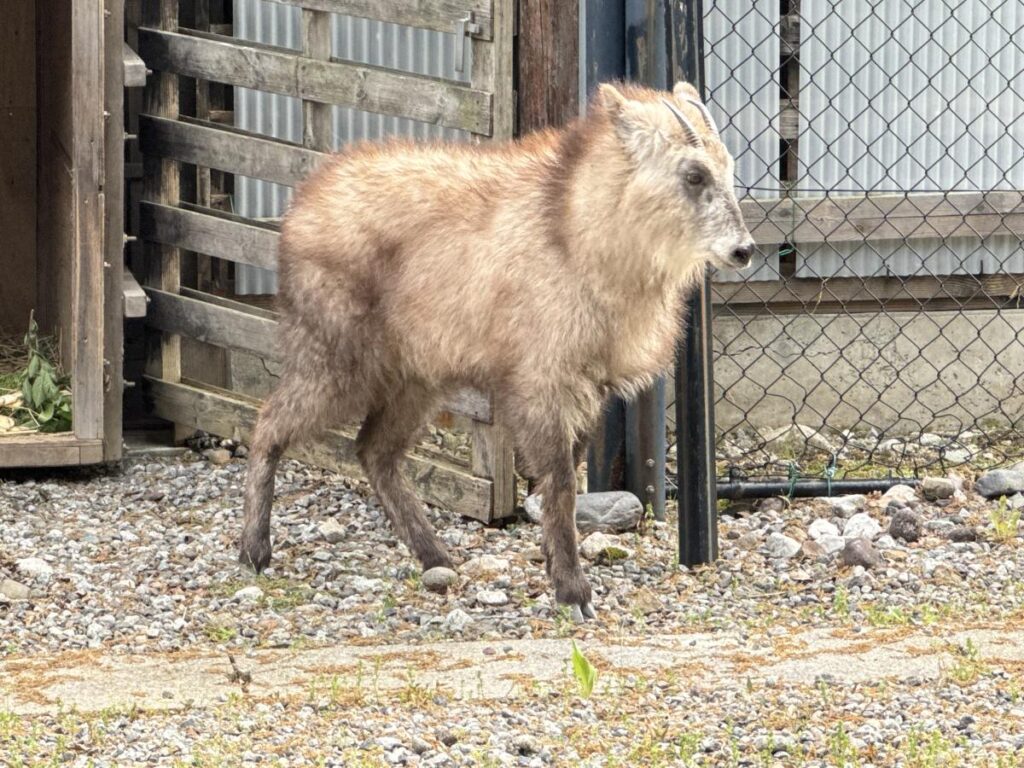
• the Japanese serow enclosure,
• Zendōbō, a restored pilgrims’ lodging,
• the Former Shima Residence (an Important Cultural Property),
• and the Former Arima Residence, designated as a cultural property by Tateyama Town.
Together they offer fascinating insights into the daily lives and wisdom of earlier generations.
(4) Preserving, Creating, and Passing On the Culture of Tateyama
Toyama Prefecture is blessed with one of Japan’s most dramatic landscapes.
From the depths of Toyama Bay—reaching 1,000 meters below sea level—to the 3,000-meter peaks of the Tateyama Range, the region boasts an extraordinary elevation difference of nearly 4,000 meters, creating remarkable natural diversity.
Together with Mount Fuji and Mount Hakusan, Tateyama is honored as one of Japan’s Three Sacred Mountains.
The mission of the Tateyama Museum is to explore how the people of Toyama have lived with, respected, and been inspired by this magnificent natural environment.
Our curators continue to conduct research into Tateyama’s history, culture, and natural heritage. The results are published in exhibition catalogues and academic journals, preserving this knowledge as a lasting cultural legacy for future generations.
Many of these research publications are also available through the museum’s website.
Looking ahead, the Tateyama Museum will continue its mission of preserving, creating, and passing on the culture of Tateyama, while embracing new challenges for the future.
A Final Message
Thank you very much for following this twelve-part series.
If you have the opportunity to visit Tateyama, we warmly invite you to stop by the Tateyama Museum.
We hope you will discover the beauty of Tateyama’s nature, its rich history and culture, and the wisdom that generations of people have cultivated while living alongside these remarkable mountains.
#Toyama Prefectural Tateyama Museum
Editor’s Note
Over the past twelve episodes, we have explored Tateyama not simply as one of Japan’s great mountains, but as a living landscape where nature, faith, and human life have been intertwined for centuries. We extend our heartfelt gratitude to Director Takano and the staff of the Tateyama Museum for generously sharing their knowledge and passion. We hope this series will inspire readers around the world to visit Tateyama and discover its remarkable natural and cultural heritage for themselves.
Masashiko Kaji
Representative Director & PresidentJapan Mountain Day Foundation
