Episode 11:
The Important Tangible Folk Cultural Property “Tateyama Religious Implements”
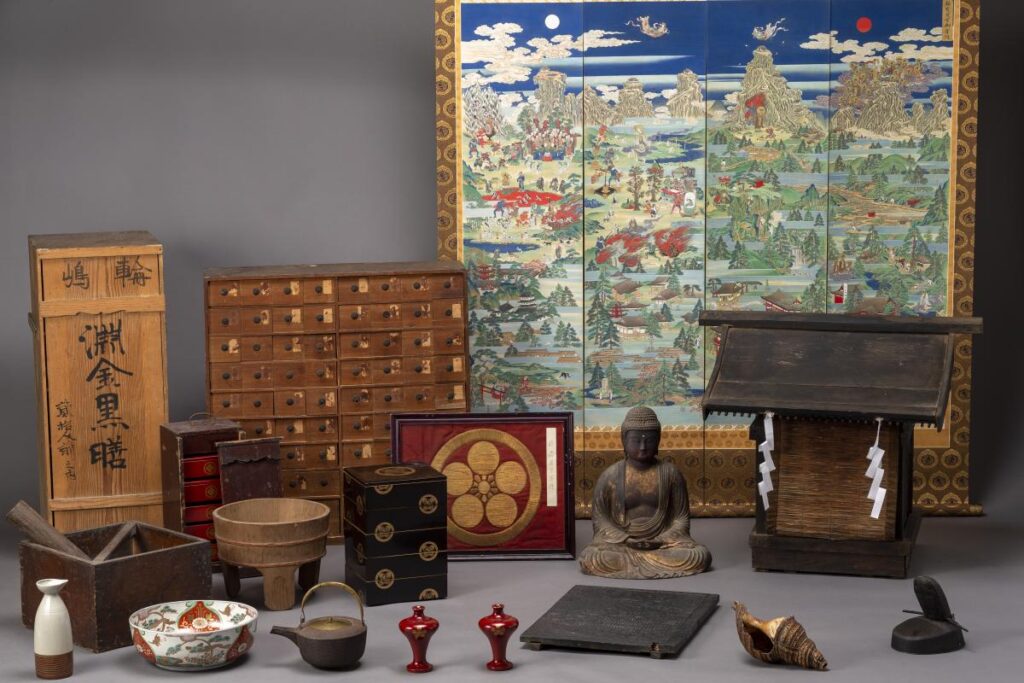
Hello everyone. I am Takano, Director of the Toyama Prefectural Tateyama Museum.The collections related to Tateyama faith preserved in the two settlements of Ashikuraji and Iwakuraji have been designated by the Japanese government as an Important Tangible Folk Cultural Property under the title Tateyama Religious Implements. In this article, I would like to introduce how these materials have been studied and why they are considered so valuable.
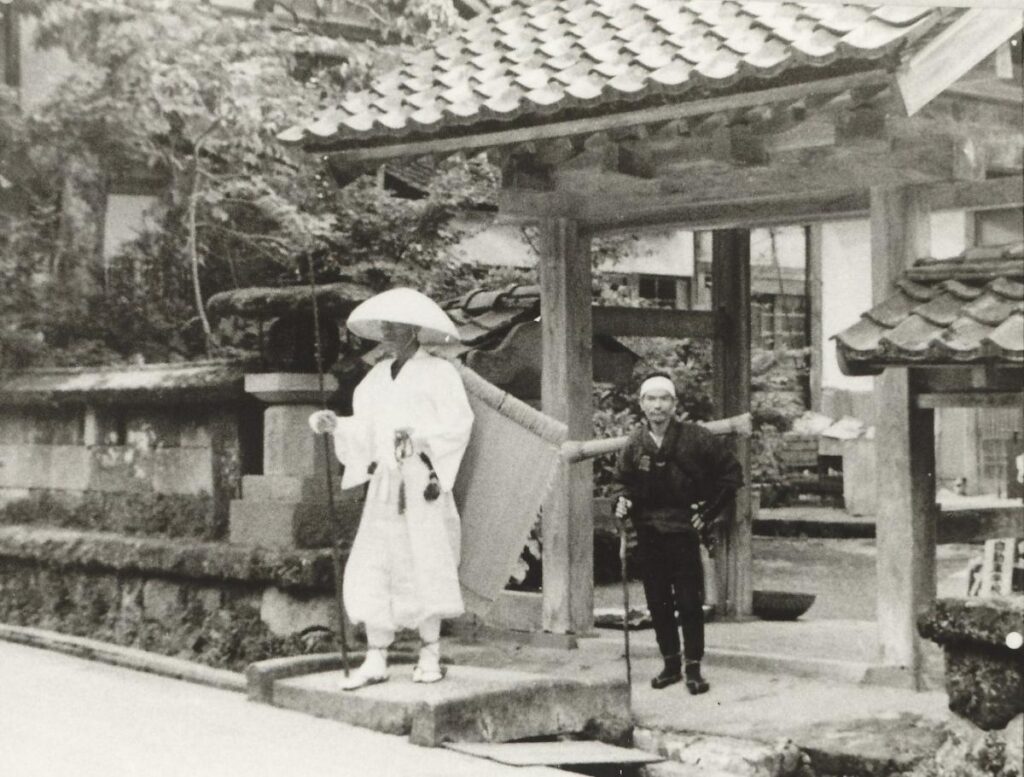
(1) Religious Implements of Tateyama Faith in the Ashikuraji Settlement
In the early Edo period (1603–1868), Iwakuraji had 23 temple lodges (bōke), whereas Ashikuraji had only six lodges and a few Shinto priests, making Iwakuraji the dominant center. However, by 1801, during the late Edo period, the situation had reversed: Iwakuraji had 24 lodges, while Ashikuraji had grown to 33 lodges and five shrine priests.
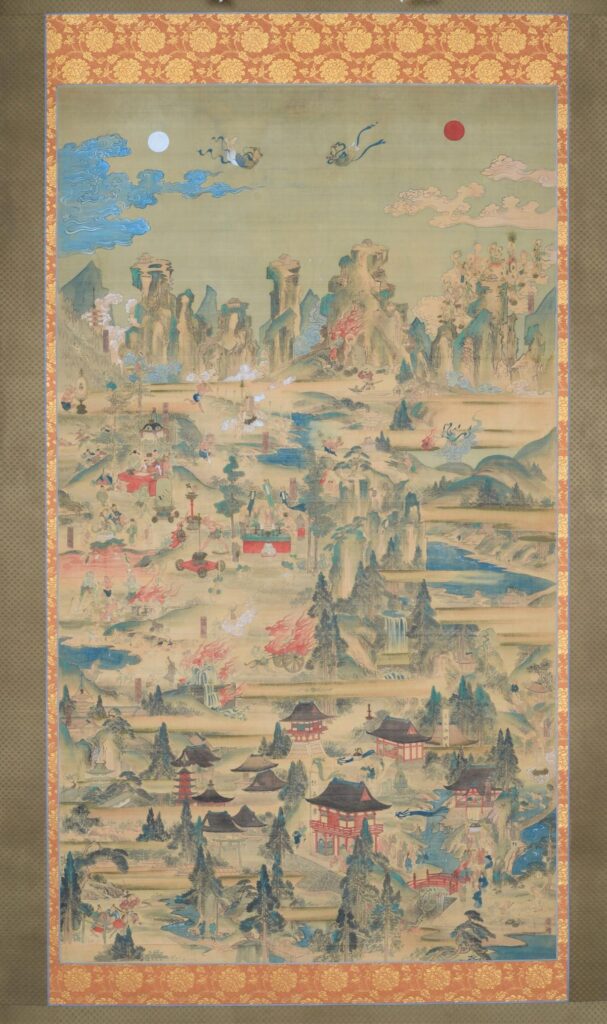
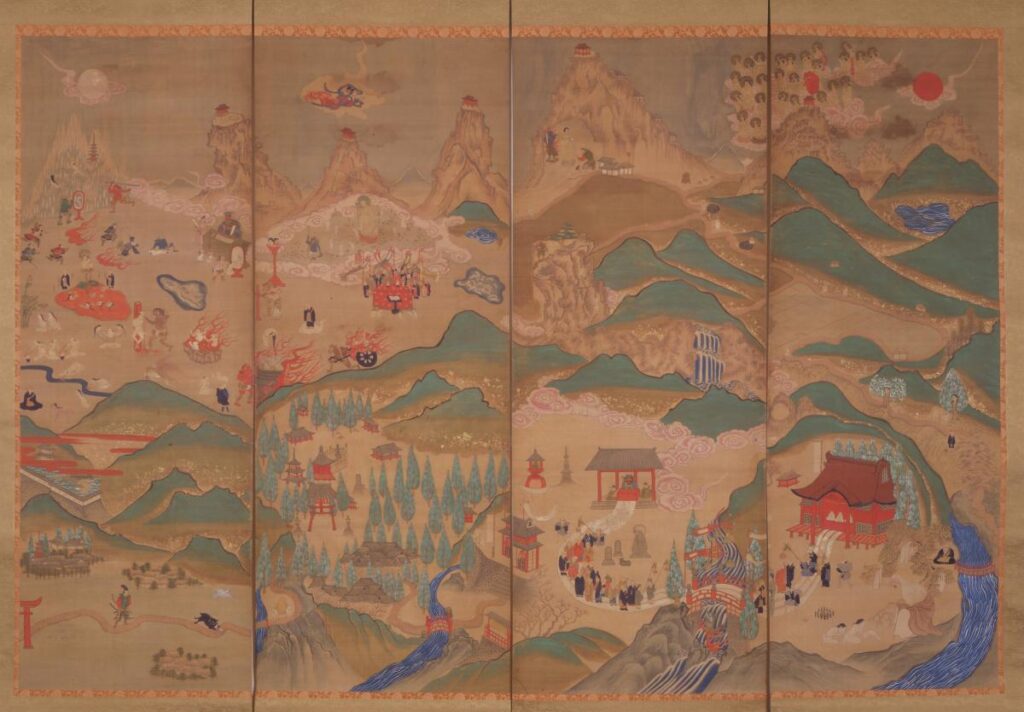
The religious practitioners of Ashikuraji actively spread Tateyama faith throughout Japan using Tateyama Mandalas. They also attracted the devotion of women from the inner chambers of Edo Castle through the Nunobashi Kanjō-e (Cloth Bridge Consecration Rite). Their missionary activities flourished, and they eventually gained economic prominence as well. As a result, even in the 1960s, a large number of religious implements remained in Ashikuraji.
In 1968 and 1969, the Toyama Prefectural Board of Education conducted interviews with elderly residents and surveyed folk materials in Ashikuraji. The results were published in Tateyama Folklore: Emergency Survey Report on Folk Materials in the Tateyama District. Based on these investigations, the collection was designated in 1970 as an Important Folk Cultural Property of Japan (today classified as an Important Tangible Folk Cultural Property). At that time, the designation consisted solely of 1,083 items from Ashikuraji.
In 1972, the Tateyama Folklore Museum was opened in Ashikuraji to exhibit these materials. In 1991, the Toyama Prefectural Tateyama Museum succeeded its functions and continues to preserve and present these collections today.
Meanwhile, in Iwakuraji, although local historians had organized and deciphered historical documents, no comprehensive survey of the religious implements preserved there had been conducted. Curators at the Tateyama Museum took on this challenge and began systematic research into the religious materials remaining in Iwakuraji.
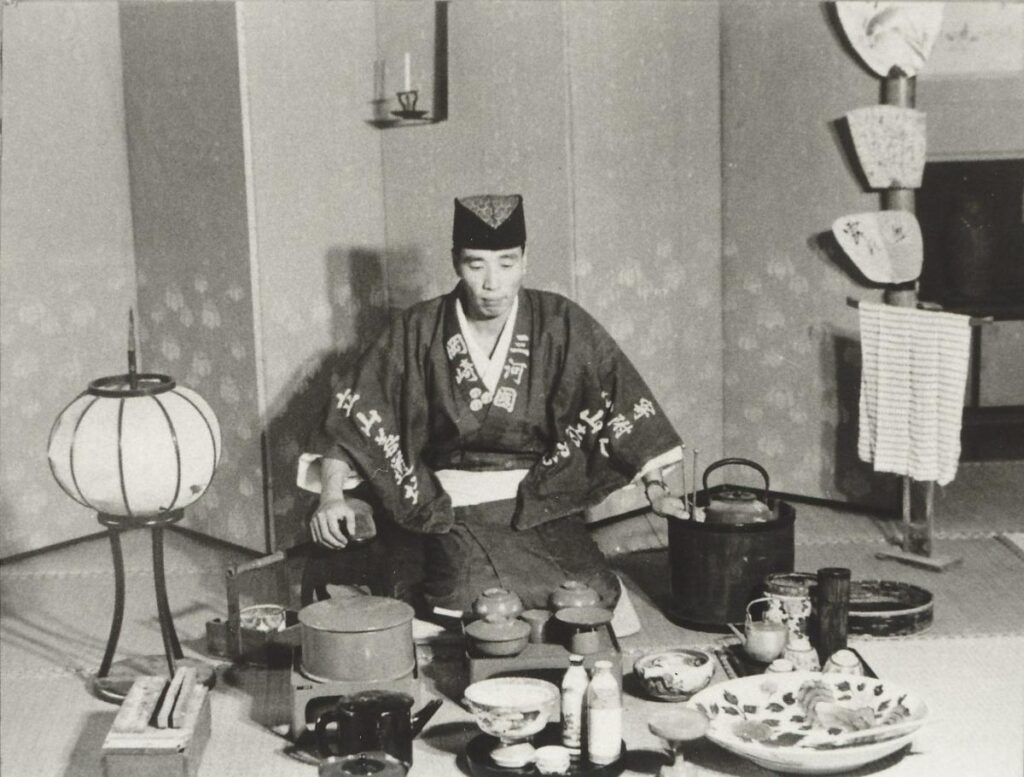
(2) Additional Designation of Religious Implements from the Iwakuraji Settlement
The Tateyama Museum focused its attention on religious implements preserved in three former temple lodges: Enmeiin, Tagabō (now Taga Shrine), and Nakamichibō.
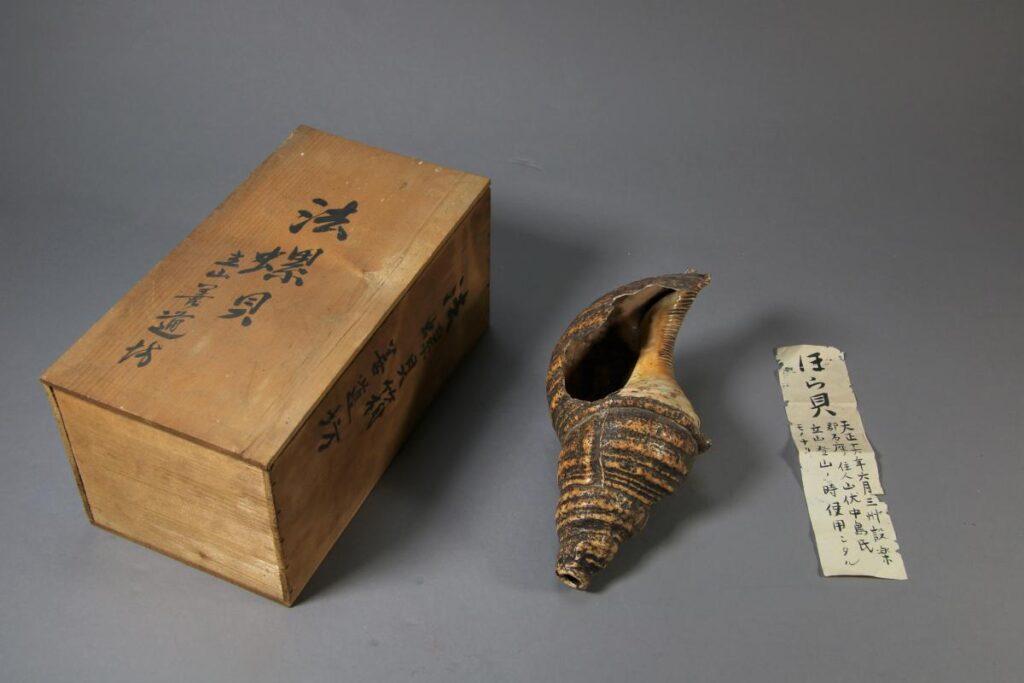
Iwakuraji once had as many as 24 temple lodges. However, in 1858, during the late Edo period, a massive debris flow swept through the Jōganji River basin, destroying nine lodge buildings. Subsequently, the Meiji government’s policy of separating Shinto and Buddhism forced many religious practitioners to become Shinto priests, leading them to relinquish Buddhist statues and ritual implements that had been used in the mountains and villages. Fortunately, significant numbers of religious objects survived in the three former lodges mentioned above.
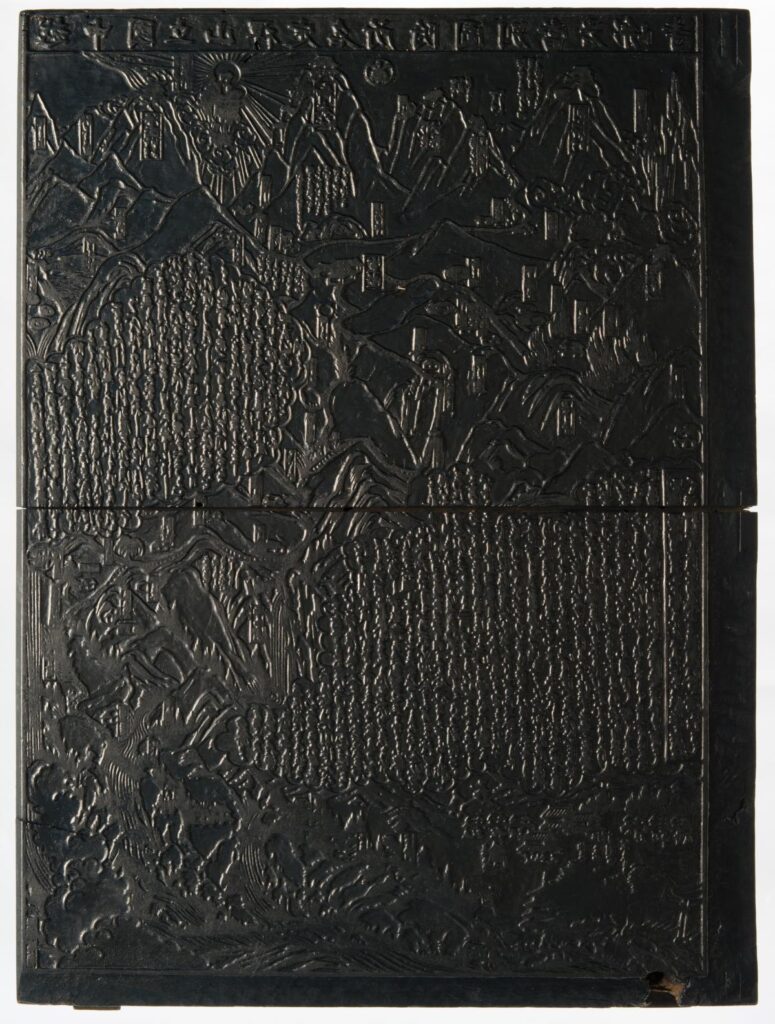
Research by the Tateyama Museum revealed that these former lodges preserved not only implements related to daily life and hospitality in pilgrimage lodgings after the Meiji period, but also tools used by Shinto priests and even woodblocks for printing Guide Maps for Tateyama Pilgrimage Ascents dating back to the Edo period. Some of these items had no counterparts in Ashikuraji.
It had long been believed that both Ashikuraji and Iwakuraji declined rapidly after the Meiji Restoration. However, the surviving religious implements indicate that lodging activities were revived even in the middle of the Meiji period. These new findings have greatly advanced our understanding of the history of Tateyama faith. Recognizing the value of these materials, the Agency for Cultural Affairs approved an additional designation in March 2020. As a result, 160 items from Iwakuraji and related materials were added to the original collection of 1,083 items from Ashikuraji, bringing the total number of designated objects to 1,243.
(3) Preserving and Passing Down the “Tateyama Religious Implements”
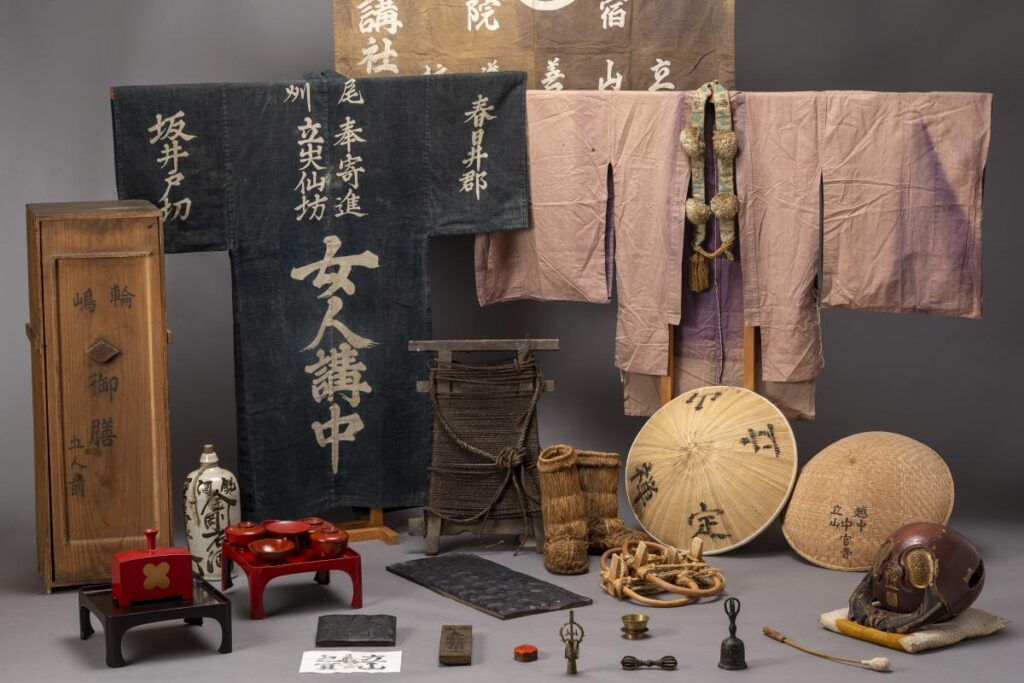
The Tateyama Religious Implements are classified into five categories:
1. Items related to life in pilgrimage lodgings (363 items)
2. Items related to hospitality in pilgrimage lodgings (440 items)
3. Pilgrimage clothing and equipment (110 items)
4. Materials used for preaching and religious propagation (221 items)
5. Implements used for prayers and rituals (109 items)
The Agency for Cultural Affairs has evaluated the significance of these materials as follows:
“Tateyama is counted among Japan’s representative sacred mountains and has served as a major center of mountain worship. This collection comprehensively preserves implements related to Tateyama faith, including those associated with lodge life, hospitality, pilgrimage attire, religious preaching, and prayer rituals. It vividly illustrates the nature of mountain worship in Japan and is of exceptional importance for understanding and studying its actual practices.” The spiritual culture known as Tateyama faith, nurtured by generations of people in Toyama, can truly be regarded as a precious cultural heritage that should be passed on to future generations.
Closing Paragraph
In the next episode, we will introduce the Tateyama Museum itself, focusing on the relationship between nature and human beings in Tateyama. We hope you will continue to join us in this series.
For readers who would like to learn more about the Tateyama Religious Implements, we recommend Tateyama Faith and Life at the Foot of the Mountain: The World of the Important Tangible Folk Cultural Property “Tateyama Religious Implements” (1,200 yen, tax included). For information on how to purchase the book, please contact the Tateyama Museum.