
Foreign-born Leaders Revitalizing Japan’s Rural Mountain Communities
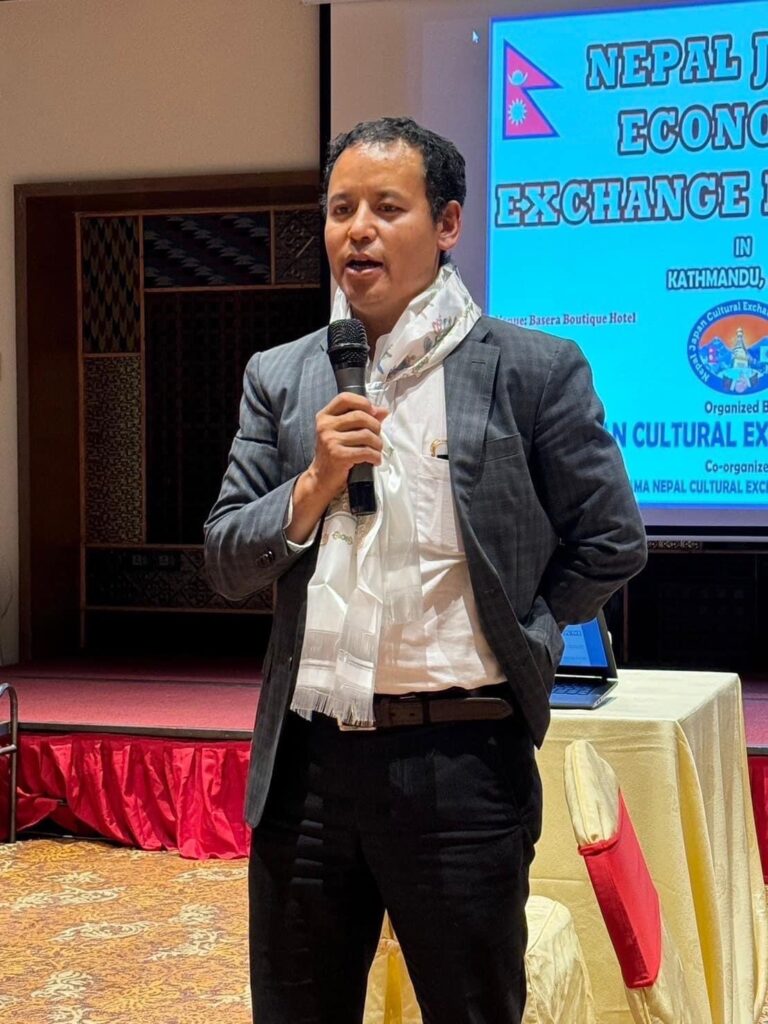
Episode 6: From Local Revitalization to Transnational Collaboration
Expanding Mountain Livelihoods Beyond Borders
Currently, Dhalma is focusing on a project that introduces Japanese agricultural technology and investment into rural communities in Nepal, with the goal of exporting locally produced agricultural products to Japan and potentially to European markets.
“To support this initiative, we established a local subsidiary of Happy Farm in Nepal and organized a producers’ cooperative in rural communities,” he explains.
This initiative originally emerged from discussions on how best to support post-earthquake recovery in affected areas such as Lisank village.
“The region has always been a purely agricultural community, where traditional farming mainly focused on subsistence production for household consumption. As a result, many young people chose to migrate in search of cash income, leaving their home villages with aging populations and declining vitality.
In order for these communities to recover and sustain themselves, it is essential to introduce new forms of agriculture that can generate stable income. Only then will younger generations consider remaining in their villages and continuing agricultural practices.”
An opportunity arose when a health food company based in Toyama inquired about the possibility of cultivating perilla in Nepal as a raw material for dietary supplements. While low production costs were a key consideration, the fact that agricultural land in many parts of Nepal had not been exposed to extensive use of chemical fertilizers or pesticides was also seen as an advantage.
“It’s ironic that what we once considered a disadvantage — not being able to afford chemical inputs — is now seen as a strength,” Dhalma says with a smile.
However, producing several tons of perilla annually that meet the quality standards required by Japanese companies remains a significant challenge for Nepalese farmers.
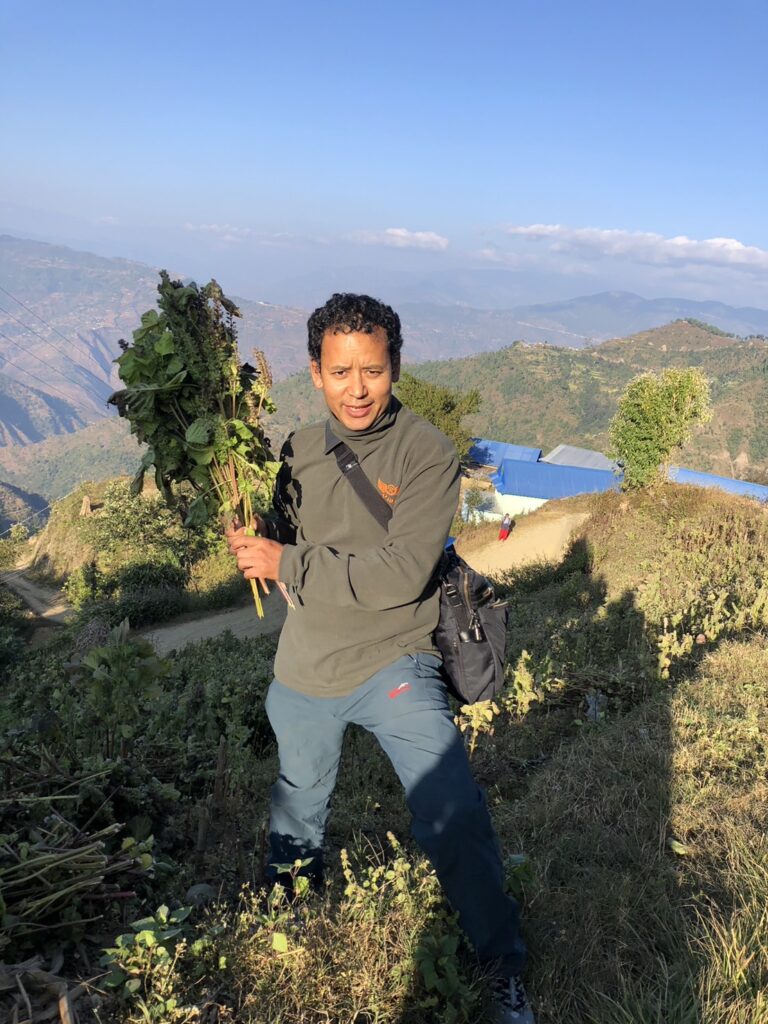
In response, Dhalma mobilized nearly 400 farming families in and around Lisank village to form a producers’ cooperative. At the same time, a local company responsible for purchasing, processing, and exporting agricultural products to Japan was established near Kathmandu under the leadership of his brother.
Construction machinery was introduced from Japan to improve farm land, accompanied by technical training for local farmers.
In 2020, the first shipment of perilla was successfully exported to Japan.
“We are not yet at the stage of making substantial profits, but we have reached a point where the project can continue,” Dhalma notes. “There are challenges, such as requests from Japanese companies to lower purchase prices. On the other hand, we were recently approached by a European company interested in purchasing our perilla products.”
Dhalma is also involved in a more advanced project supported by Japan’s Ministry of Economy, Trade and Industry. The initiative involves establishing a plant in selected regions of Nepal to process organic waste into fertilizer, which will then be used to cultivate agricultural products for export to Japan.
Several municipalities in Nepal responded to the government’s call for participation, and training sessions have been conducted in Japan. The first region to introduce the plant has now been selected.
Dhalma serves not only as a coordinator connecting stakeholders in both Japan and Nepal but also contributes to the planning process, drawing on his experience as an agricultural entrepreneur to determine which crops should be produced, how they should be processed, and how they can be exported.
“We are currently considering root vegetables that can withstand longer transport times,” he explains. “For example, burdock can be shipped directly to Japan using refrigerated containers. Daikon, on the other hand, cannot be exported fresh, but it can be processed locally into dried strips before shipment. We have already developed prototype products.”
Such products are currently imported into Japan from countries such as China, but Dhalma believes that Nepalese producers can compete in terms of both quality and cost.While this concludes the current series, Dhalma’s ongoing initiatives to connect mountain communities across national borders are likely to continue evolving, linking mountain communities across borders in new ways.
Related Topics
• Transnational Mountain Economies
• Agricultural Value Chains in Rural Regions
• Technology Transfer in Developing Communities
• Sustainable Livelihoods in Mountain Areas
• International Cooperation in Rural Development
Learn More
This episode highlights how technology transfer, cooperative organization, and cross-border collaboration can contribute to the development of sustainable agricultural value chains in rural mountain regions.
Related initiatives can be found in:
• Transnational Rural Development Programs
• Sustainable Mountain Livelihoods
• Community-based Agricultural Export Models
Policy Implications
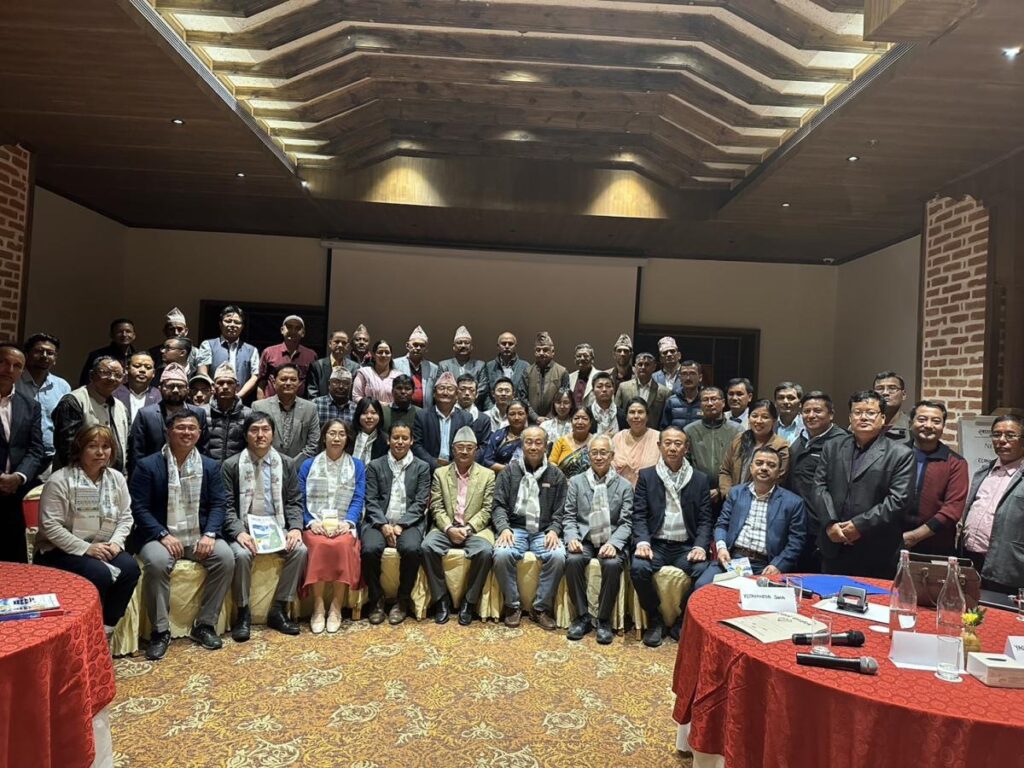
This series illustrates how local initiatives can evolve into transnational collaborations that address shared challenges in mountain regions.Such approaches may offer valuable insights for policymakers seeking sustainable solutions to labor shortages, agricultural succession, and rural development in aging societies.
