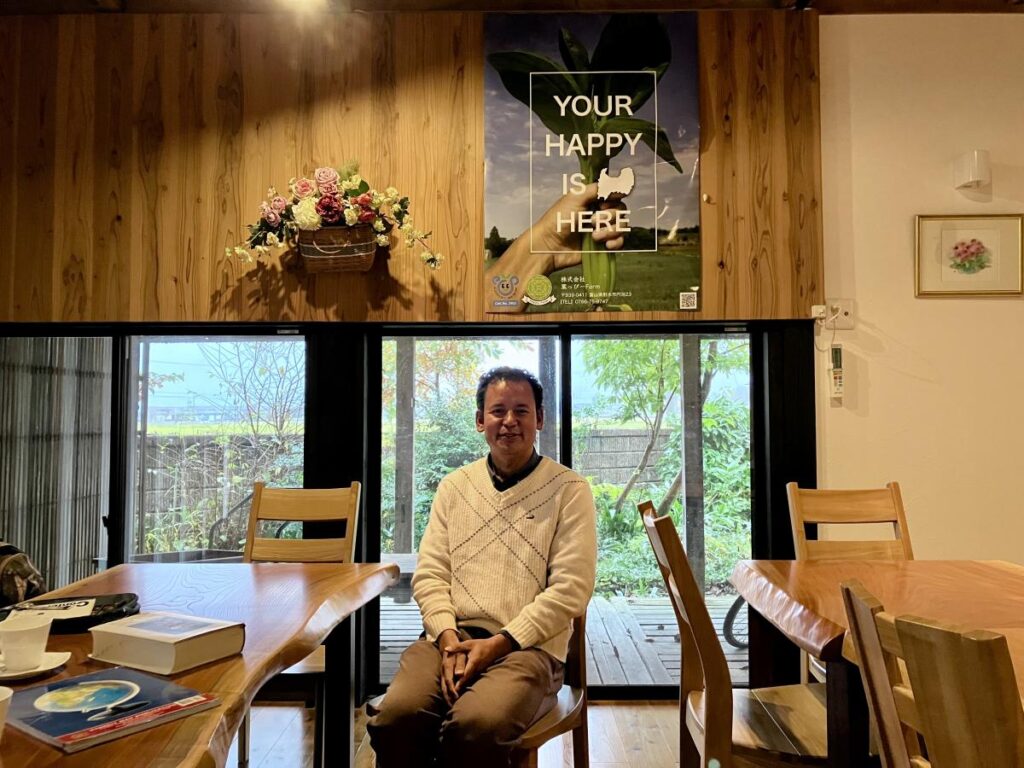
Foreign-born Leaders Revitalizing Japan’s Rural Mountain Communities
Episode 5: Cultural Mediation Through Faith
Religious Practices as Bridges Between Communities
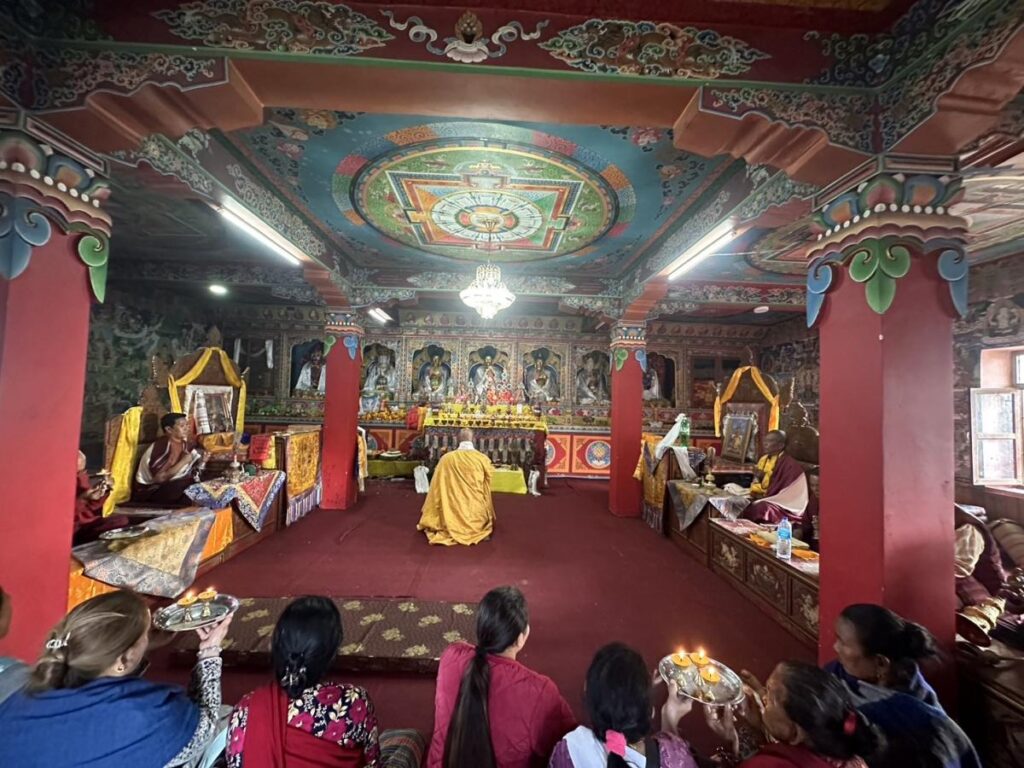
As interactions between Nepalese residents and local Japanese communities in Toyama gradually increased through various cultural exchange activities, Dhalma began to introduce elements of Nepalese religious traditions into these exchanges.
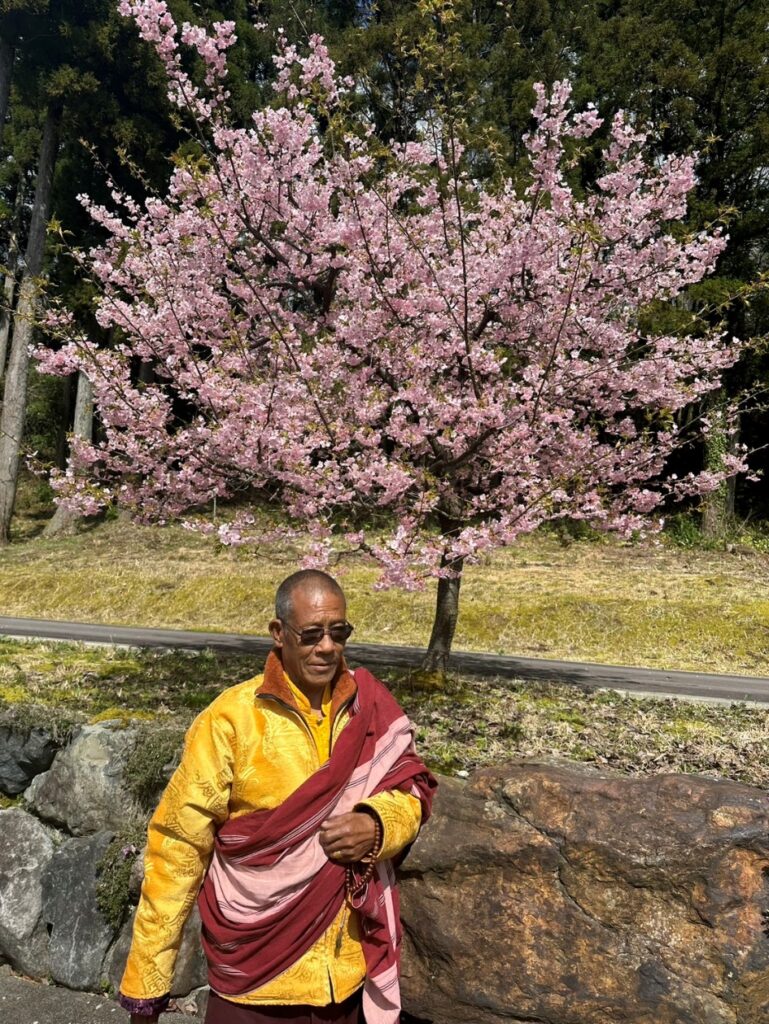
In Nepal, where daily life is deeply intertwined with religious practices, rituals are not confined to temples or sacred sites but are often conducted within households and local communities. Dhalma believed that sharing these practices could provide a meaningful way to deepen mutual understanding between Nepalese residents and their Japanese neighbors.One such initiative involved organizing Buddhist memorial services and prayer ceremonies led by Nepalese monks. These events were held in collaboration with local communities and offered Japanese participants a rare opportunity to observe and take part in traditional Tibetan Buddhist rituals.
For many Japanese participants, it was their first time witnessing prayer ceremonies involving chanting, incense offerings, and the application of tika — a red blessing mark traditionally placed on the forehead.
Dhalma also introduced workshops on traditional Tibetan Buddhist painting, drawing on his own experience as a Thangka artist. Participants were invited to learn about the symbolism and techniques involved in mandala painting, as well as the philosophical ideas embedded within these visual traditions.
“These activities are not intended to promote any particular religion,” Dhalma explains. “Rather, they provide opportunities for people to learn about each other’s cultural backgrounds and values.”Through such initiatives, religious practices became a platform for dialogue and trust-building between Nepalese and Japanese residents.
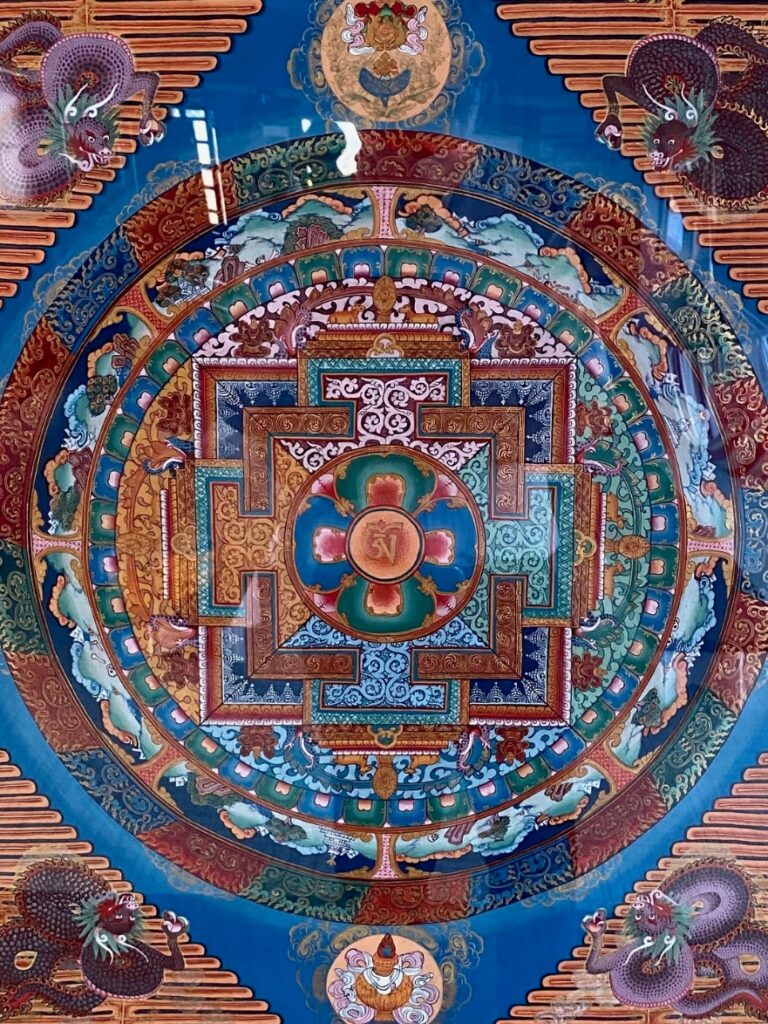
Participants often commented that the shared experience of preparing offerings, listening to chants, or engaging in artistic expression helped to create a sense of familiarity that transcended linguistic and cultural differences.
These events also allowed Nepalese residents living in Toyama to reconnect with their own cultural heritage, which they might otherwise find difficult to maintain in their daily lives abroad.As these exchanges continued, Dhalma began to recognize the potential of faith-based practices as informal yet powerful tools for fostering intercultural understanding within rural communities.
Related Topics
• Cultural Mediation in Rural Communities
• Faith-based Community Exchange
• People-to-People Diplomacy
• Intercultural Dialogue in Mountain Regions
• Community Leadership Across Cultures
Learn More
This episode highlights how cultural and faith-based exchanges can foster trust and mutual understanding between communities, creating informal yet meaningful pathways for cross-cultural collaboration in rural mountain regions.Related initiatives can be found in:
• Intercultural Community Engagement Programs
• Faith-based Dialogue Initiatives
• People-to-People Exchange Platforms