Ōno’s 50-Year Journey to Protect Its Water Cycle
Episode 3 – Citizens and Rules
Governing Groundwater as a Shared Civic Resource
In Ono City, groundwater has not been treated merely as a resource to be managed by administrative authority, but as a shared civic asset sustained through collective responsibility.
As early as the 1970s, the city began establishing rules to ensure that groundwater would be protected by the community as a whole.
Regulations requiring prior notification for groundwater extraction and restricting the use of groundwater for snow-melting during winter were introduced—not simply as technical controls, but as social agreements embedded in daily life.A distinctive feature of Ono’s approach lies in citizen participation in groundwater monitoring.
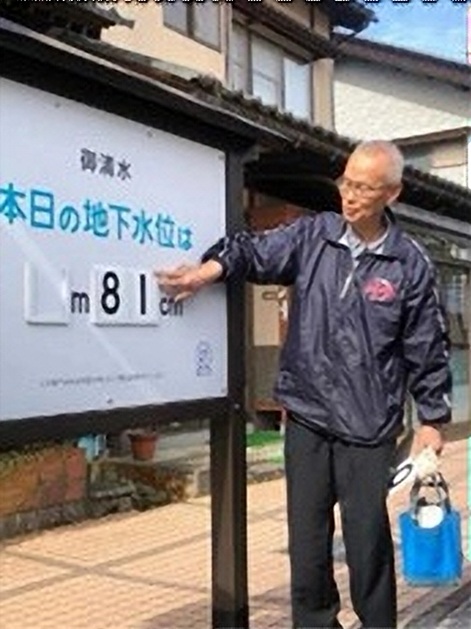
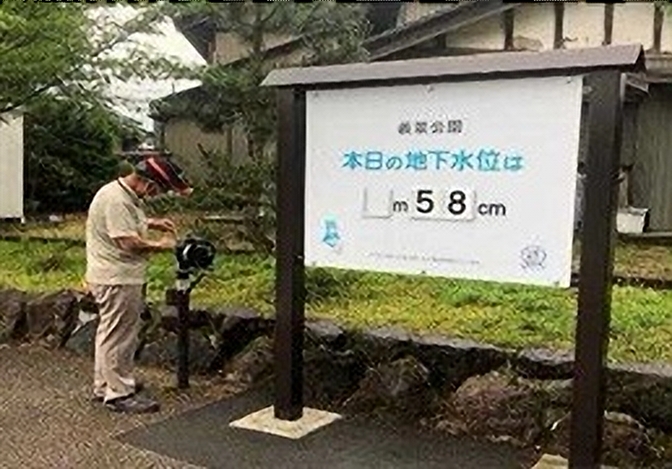
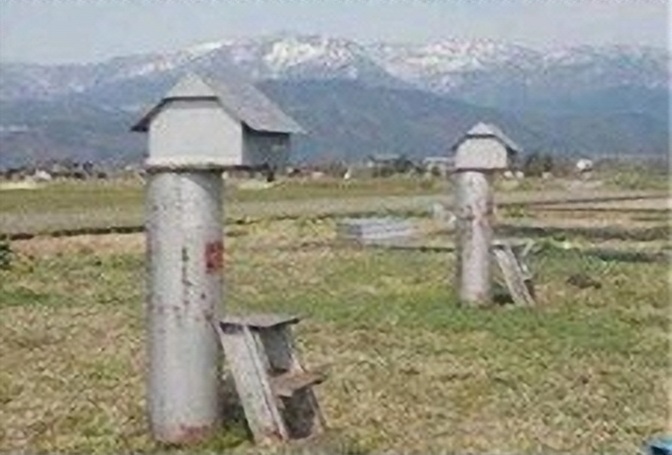
Since 1976, local residents have continuously measured groundwater levels at observation wells distributed across the city. These measurements, conducted daily at multiple locations, are publicly displayed—transforming environmental monitoring into a shared civic practice.
Agricultural land has also played a vital role in sustaining groundwater.
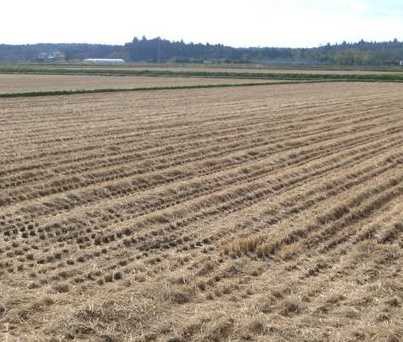
Since 1978, the Winter Paddy Field Flooding Project has utilized rice paddies during the non-growing season to retain water and promote infiltration into underground aquifers.
In this way, farmland functions not only as a site of food production but also as infrastructure for groundwater recharge.Recognizing that groundwater conservation extends beyond hydrology, Ono City has sought to preserve the cultural practices associated with spring water.

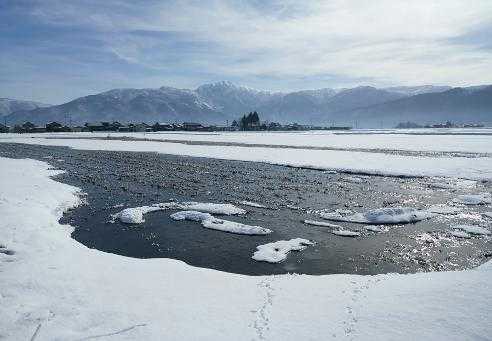
This perspective led to the formulation of the Echizen Ono Spring Water Culture Revitalization Plan in 2011, which integrates environmental protection with the transmission of water-related cultural heritage to future generations.
Institutional measures have also been taken to safeguard the forested headwaters that support the groundwater system.
In 2012, in response to emerging concerns over land acquisitions by external capital, the city enacted the Ono City Forest and Water Conservation Ordinance.
This ordinance requires prior notification not only for land transactions but also for the construction of structures within forested areas—an early local policy reflecting public attachment to the forests that sustain the city’s water sources.Citizen engagement has further contributed to spring restoration efforts.
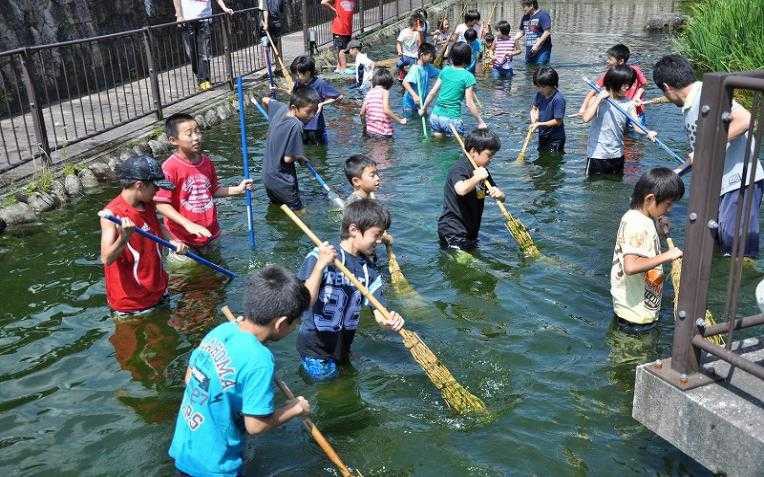
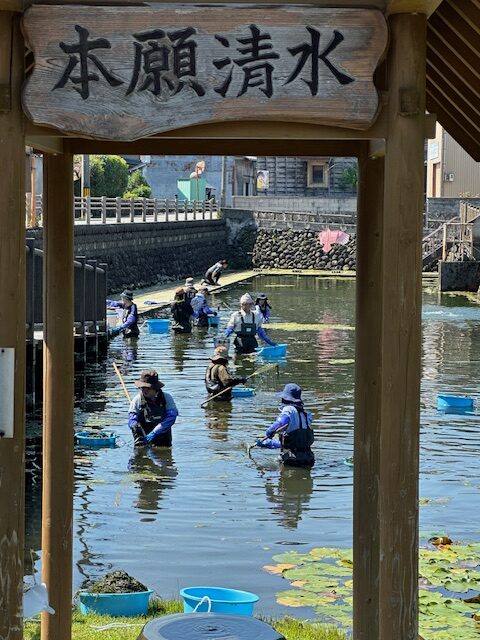
At Honganshimizu, the southernmost habitat of the landlocked Itoyo (three-spined stickleback) and designated National Natural Monument, community-led cleaning and rehabilitation activities began following severe spring depletion in the late 1970s.
Through sustained collaboration between schoolchildren and local residents, some of these spring water sites have since been successfully revived.
Taken together, these initiatives illustrate a model in which groundwater is not governed solely through regulation, but through the combined efforts of institutions, agricultural practices, and civic participation.