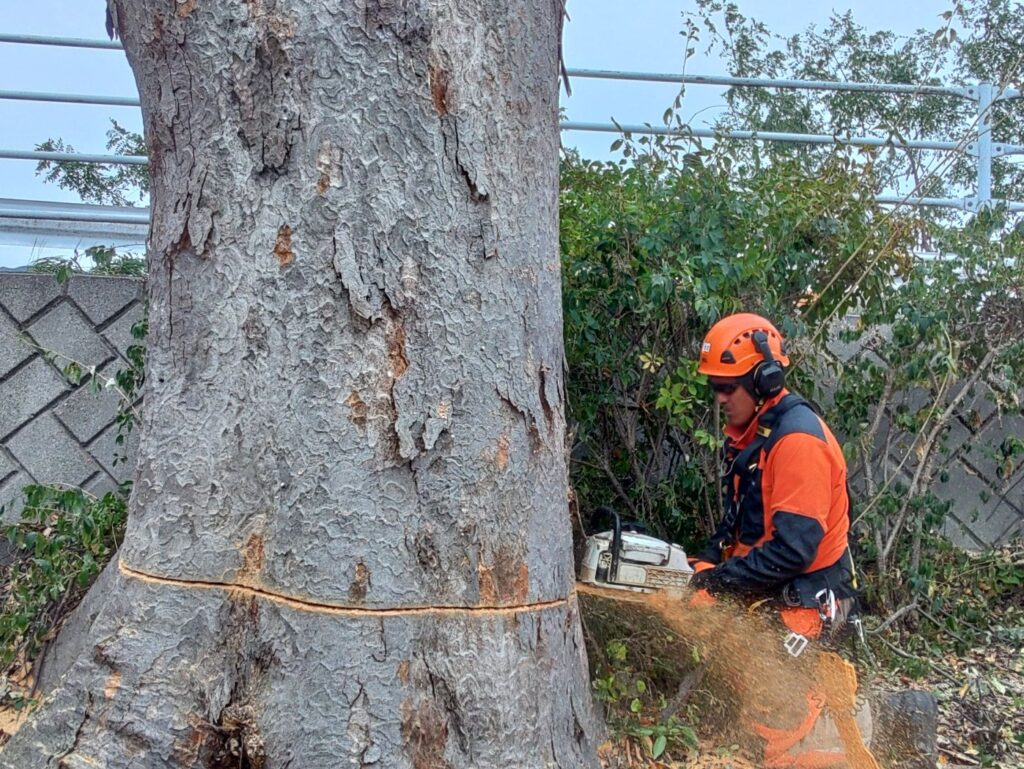
“As I gained experience, I realized that technical skills alone weren’t enough. I also needed to learn the names of trees and plants, when flowers bloom, when leaves change color or fall, and how each species changes throughout the seasons.
The more I learned, the more I could imagine how a tree would grow in the years ahead and how it would fit into the surrounding landscape. That also meant I could offer better suggestions to my clients instead of simply following instructions.
Most of all, the work itself became much more enjoyable.”
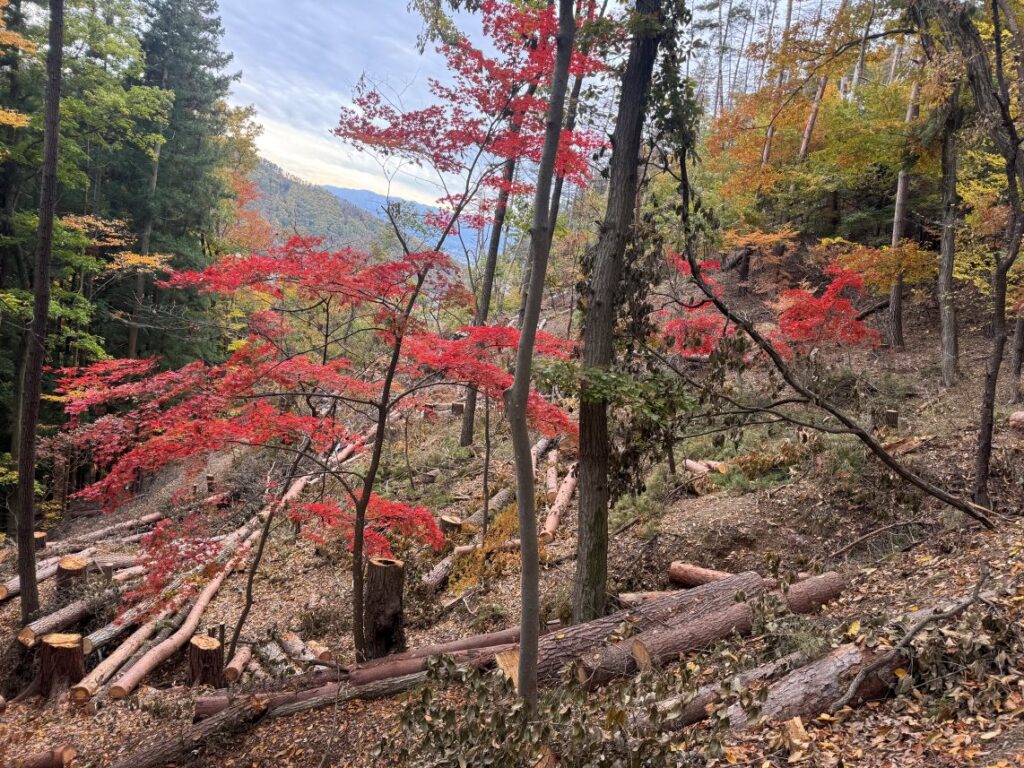
Seeing Beyond a Single Tree
Lama Gyalu studied in many ways. He read books, searched online, and learned from experienced foresters.
“If I ask questions, people are always willing to teach me. Japan’s forests are similar to Nepal’s in some ways, but there are also many trees and plants I’d never seen before. At first it was difficult, but little by little I’ve come to understand them.”
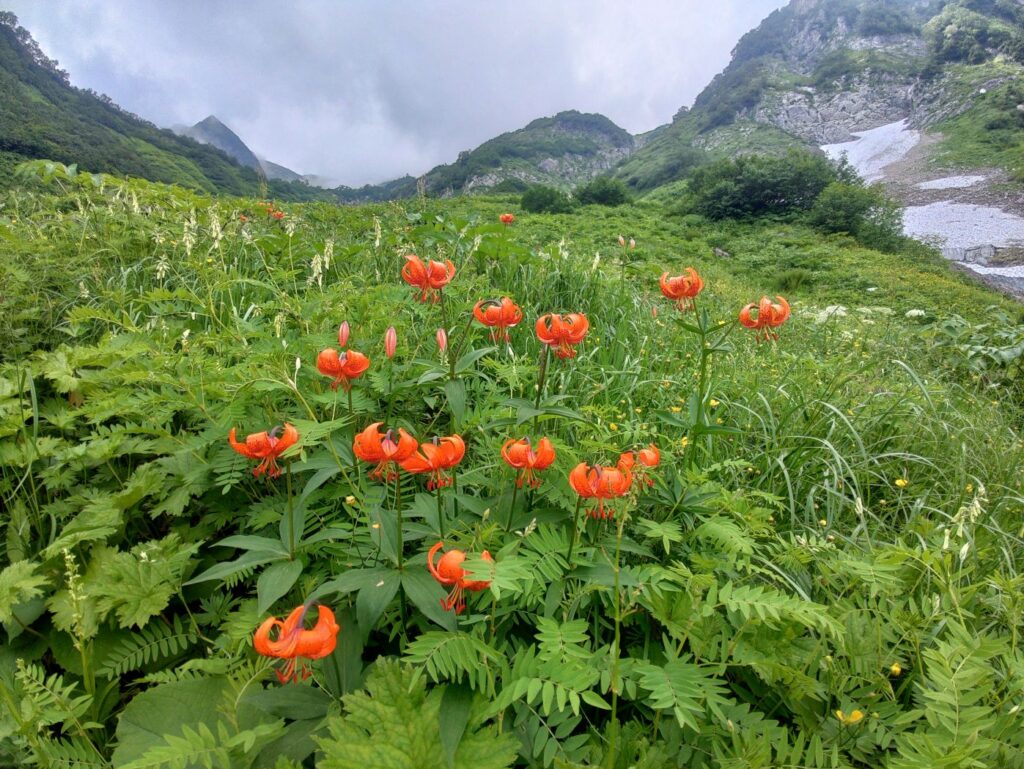
As the years passed, his knowledge expanded beyond trees alone. He became familiar with the forests of Nagano, their plants and wildlife, and the natural environment as a whole.
Yet the more he learned, the more questions arose.
Proper tree care is not simply about deciding how to prune or remove a tree today. A forester must also think about what that tree—and the surrounding landscape—will look like years or even decades into the future.
To make good decisions, he believes it is necessary to understand not only the tree itself, but also the region’s climate, soil, plants, wildlife, and ultimately the lives of the people who live there and how their communities may change in the future.”Of course, that’s incredibly difficult. It’s not something you can figure out overnight. But once you settle here, raise a family, and watch your children grow up, you naturally begin thinking about these things.”
A Small Yellow Flower
“That doesn’t mean I always succeed.
The other day, there were some Japanese kerria shrubs growing beneath a tree. They were supposed to be cleared away, but I thought they weren’t causing any problems, and that their yellow flowers would be beautiful in spring, so I decided to leave them.
I was working high up in the tree when another contractor came along and started cutting them down. I noticed and shouted, ‘Hey, don’t cut those!’ But I was too late.”The story may seem like a small incident, yet it reflects how Lama Gyalu has come to see the forest—not simply as a workplace, but as a living landscape whose beauty deserves to be protected whenever possible.
Living with Wildlife
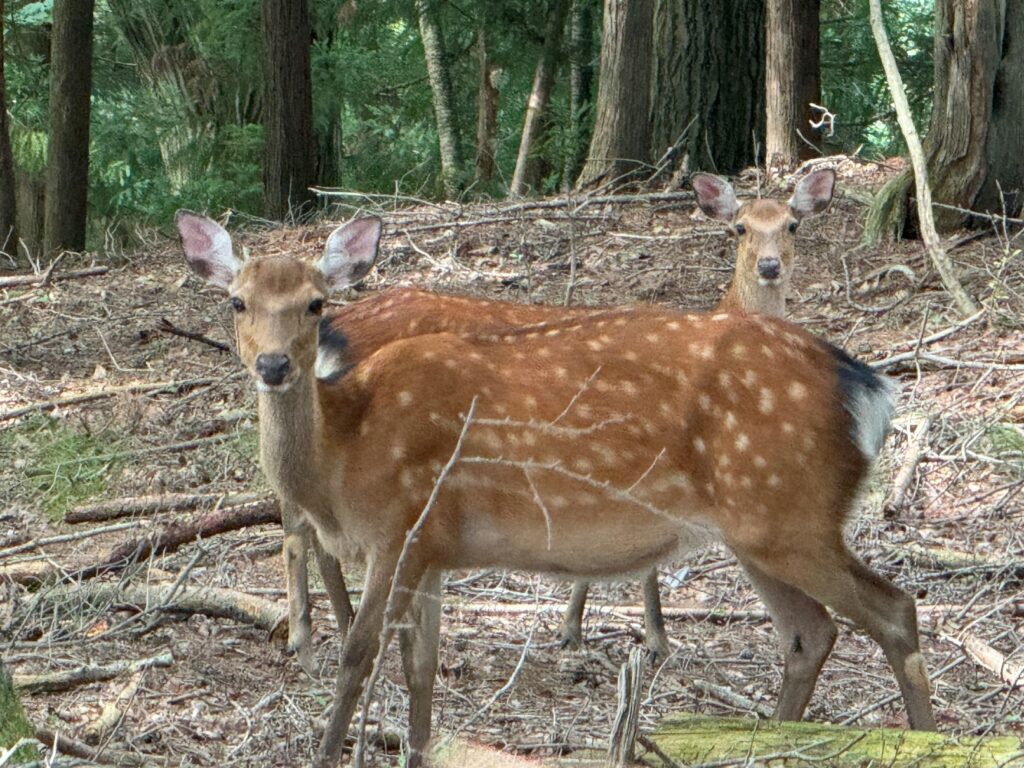
Another issue that has increasingly concerned him is the rapid growth of wild animal populations, especially deer, whose feeding has caused serious damage to forests.
“I am a Sherpa, and according to the Tibetan Buddhist faith that many Sherpas follow, taking the life of an animal is forbidden. But when I think about the future of the forests, I sometimes wonder whether it can really be that simple.It’s a very difficult question.”