
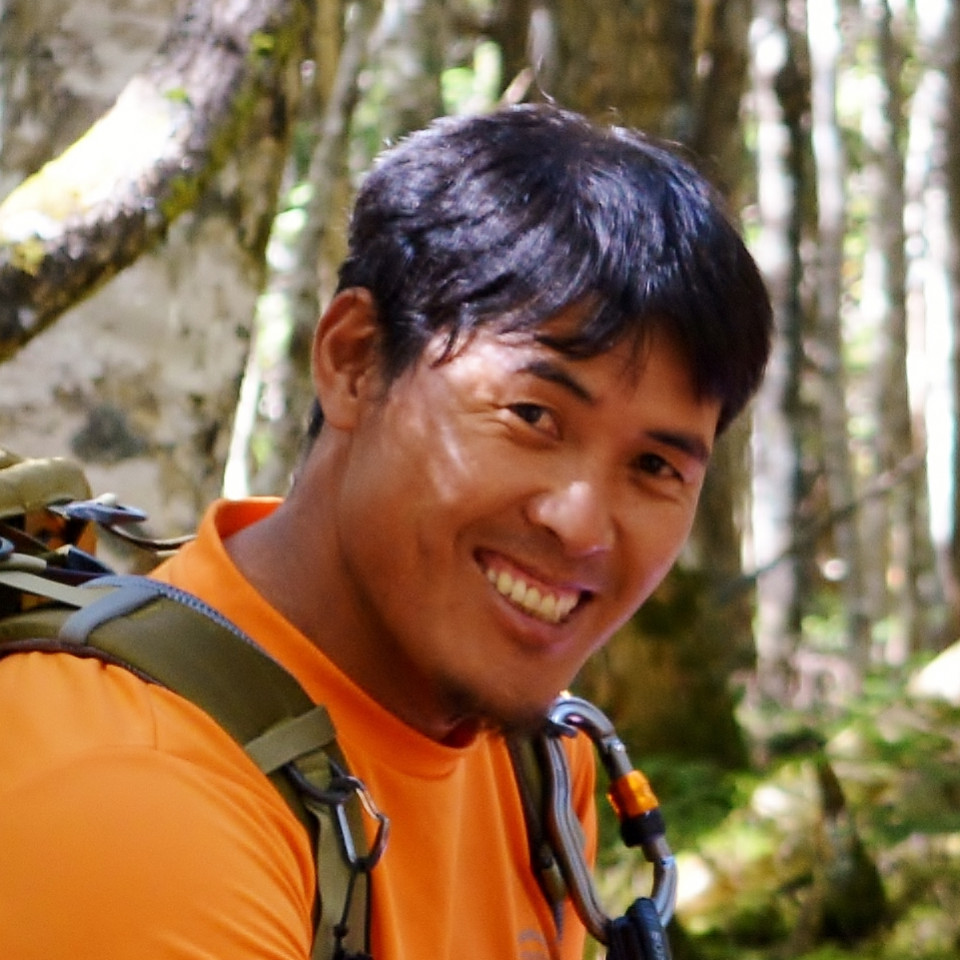
For generations, the Sherpa people have been known as the indispensable partners of Himalayan mountaineering. Lama Gyalu Sherpa followed that tradition, working as a high-altitude guide and climbing Mount Everest twice. Nearly twenty years ago, however, his life took an unexpected turn when he moved to Japan.
Today, making full use of the skills and courage he developed in the Himalayas, Lama Gyalu works as a forestry entrepreneur and arborist, helping to care for the forests of central Japan. This four-part series follows his extraordinary journey from the mountains of Nepal to the forests of Japan, and explores how mountain knowledge can transcend national borders and find new life in a different landscape.
Story by
Katsuhiko Kano
Professor Emeritus of Cultural Anthropology, Kanazawa University
Member of the Scientific Committee, Japan Mountain Day Foundation
About the Author
Professor Emeritus – Kanazawa University Katsuhiko Kano is a cultural anthropologist whose primary fieldwork has focused on Nepal and Himalayan Mountain communities.
Having conducted extensive research on rural livelihoods, migration, and community resilience in mountain regions, he brings an interdisciplinary perspective to the challenges facing Japan’s aging rural and forest
Episode 1
From the Himalayas to Japan
The word “Sherpa” is widely known as referring to the high-altitude porters and guides who support Himalayan expeditions. Originally, however, Sherpa is the name of a Tibetan-related ethnic group whose homeland is the Solu-Khumbu region in the highlands of northeastern Nepal. The Sherpa people speak a Tibetan-related language and follow Tibetan Buddhism. From the late nineteenth century onward, many Sherpas also migrated to the Darjeeling district of West Bengal, India.
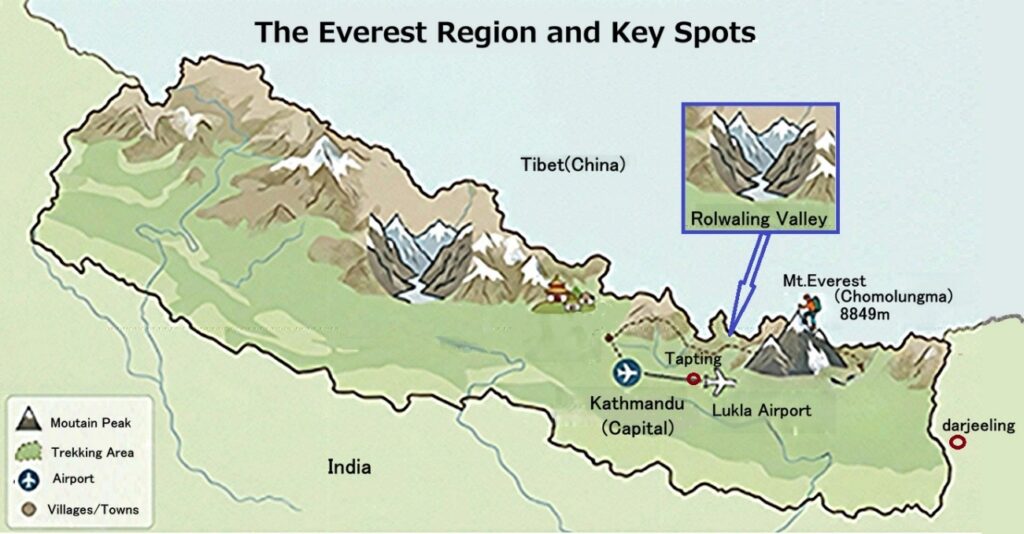
Lama Gyalu Sherpa was born in 1977 in the village of Taptin in the Solu region of Nepal. From a young age, he trained under Nawang Yonden, a renowned Sherpa in the world of Himalayan mountaineering, and worked as a high-altitude porter and guide for mountaineering expeditions and trekking tours from Japan, Europe, and North America.
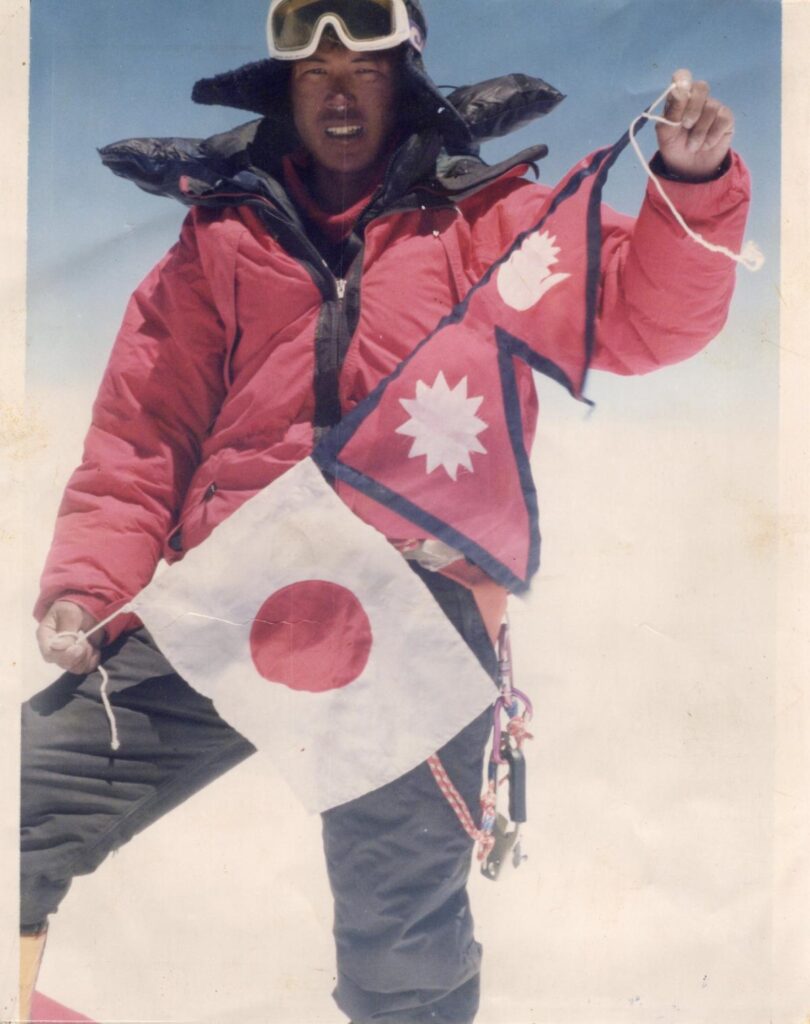
He later climbed Chomolungma, or Mount Everest, twice, and also gained extensive experience in mountaineering and trekking in India, Pakistan, China, and other regions. Eventually, he came to serve as a sirdar—the leader of the local staff.
During this period, he met Mariko, who was accompanying a Japanese tour as a guide from the Japanese side. The two married, and in 2005 he moved to Japan.
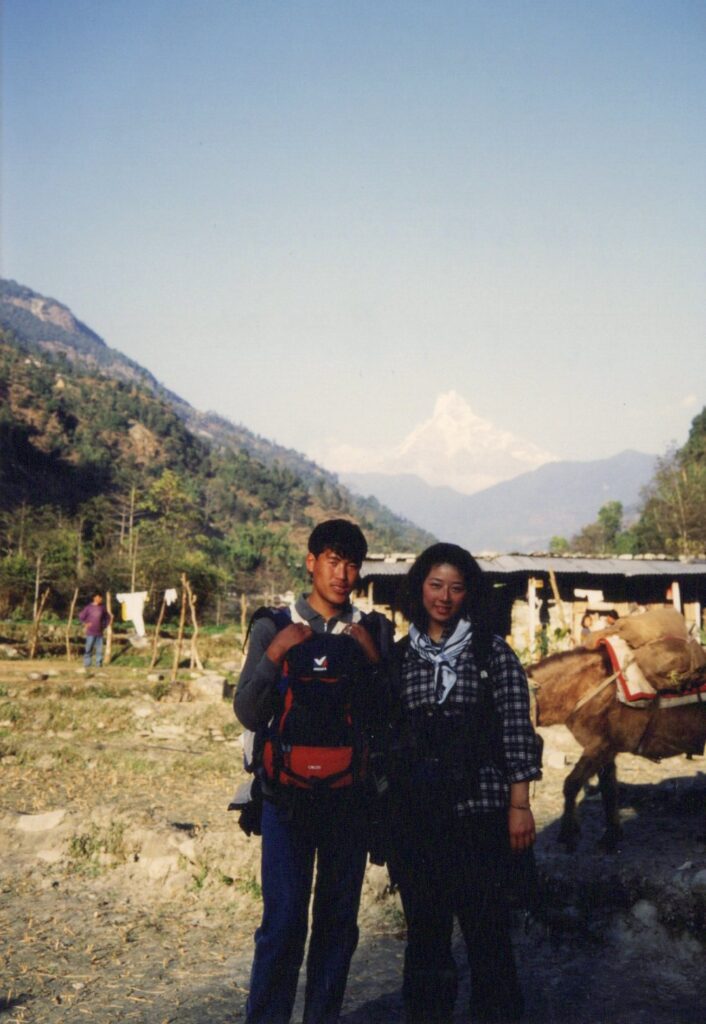
For some time after arriving in Japan, he lived in Kanagawa Prefecture and worked as a guide for overseas and domestic mountaineering tours organized by Japanese travel companies. However, guiding alone was not enough to support his family, and he also worked at an automobile-related factory to make a living.
Then, in the wake of the economic downturn caused by the so-called Lehman Shock, he lost his factory job. In 2009, he decided to move with his family to Matsumoto City in Nagano Prefecture, at the foot of the Northern Alps.
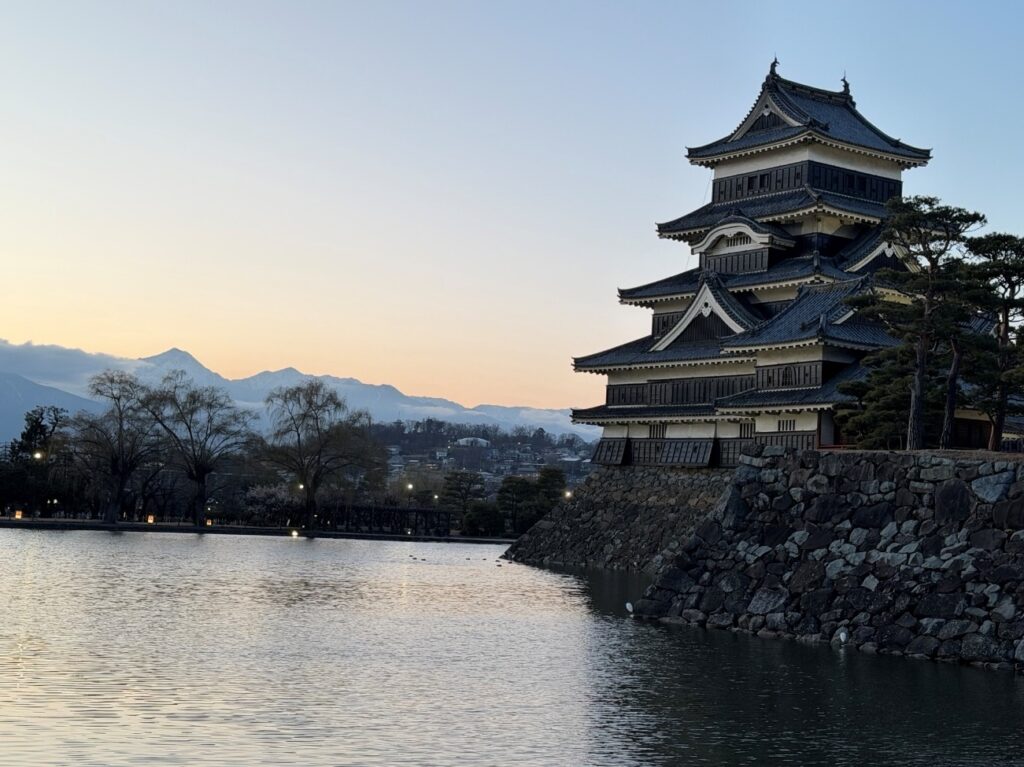
He chose Matsumoto because, through his work as a mountain guide, he had visited the Northern Alps many times and had grown fond of the region’s natural environment and the atmosphere of the city.
At first, after moving there, he considered opening a Nepalese restaurant. In the end, however, he chose work related to forests and trees.
“I came to Matsumoto because I loved the nature of this region. If possible, I wanted to do work connected with that nature. The forests here also have something in common with the forests around Solu, where I come from.”
At the beginning, he took on contract work for local forestry-related companies. Much of this work involved cutting trees, especially high up near the tops of tall trees.
In this region, as in many parts of Japan, the forestry workforce is aging, and the shortage of workers has become serious. Passing on skills to the next generation has also become increasingly difficult.
“Climbing tall trees and cutting branches requires not only skill but also courage. In that sense, my experience in mountaineering proved very useful.”
As he came to understand the situation in the field, he began to think that if he was going to do this work, he wanted to do it under his own responsibility and in the way he truly believed in. In 2012, he founded Sherpa Forestry Co., Ltd.
People often say that a crisis can become an opportunity. But in reality, there are not many people who can actually make that happen.
(To be continued)
