
Towering over Toyama Prefecture, Mount Tateyama is more than just a breathtaking natural wonder—it is the heart of a unique spiritual tradition known as Tateyama Shinkō, or the Faith of Tateyama. This ancient belief, deeply entwined with the mountain’s dramatic landscapes, is said to have been passed down for over 1,300 years.
We are delighted to announce that Mr. Yasuhiko Takano, Director of the Toyama Prefectural Tateyama Museum, will be sharing his insights into Tateyama Shinkō in a special 12-part series. Through his writings, readers will discover the rich history, fascinating legends, and enduring cultural significance of this sacred peak.
A Greeting from the Author
Hello, everyone. I’m Yasuhiko Takano, Director of the Toyama Prefectural Tateyama Museum.
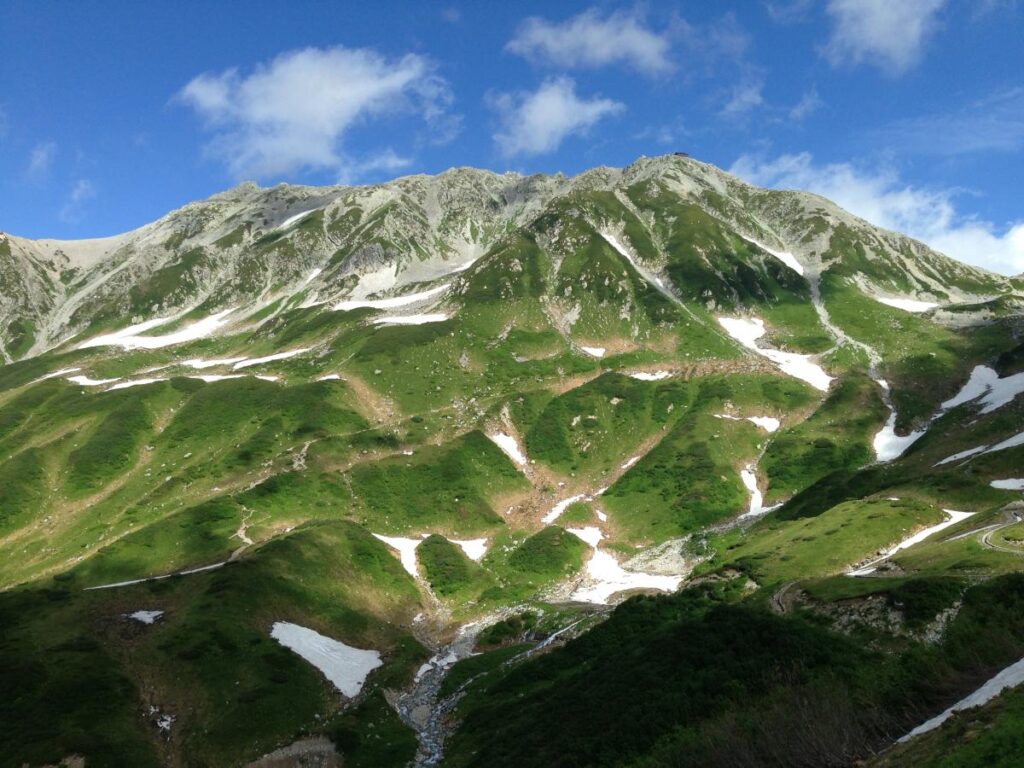
Tateyama, together with Mount Fuji and Mount Hakusan, is known as one of Japan’s “Three Sacred Mountains.” For over a thousand years, people have looked up to this peak with awe and devotion. Its name even appears in the Konjaku Monogatari-shū, a famous collection of tales from the Heian period (794–1185), showing how widely it was known at the time.In this series, I’d like to share the story of Tateyama’s spiritual traditions—where they began, how they grew, and why they remain such a unique part of Japan’s culture today.
What Exactly Is a Tateyama Mandala?
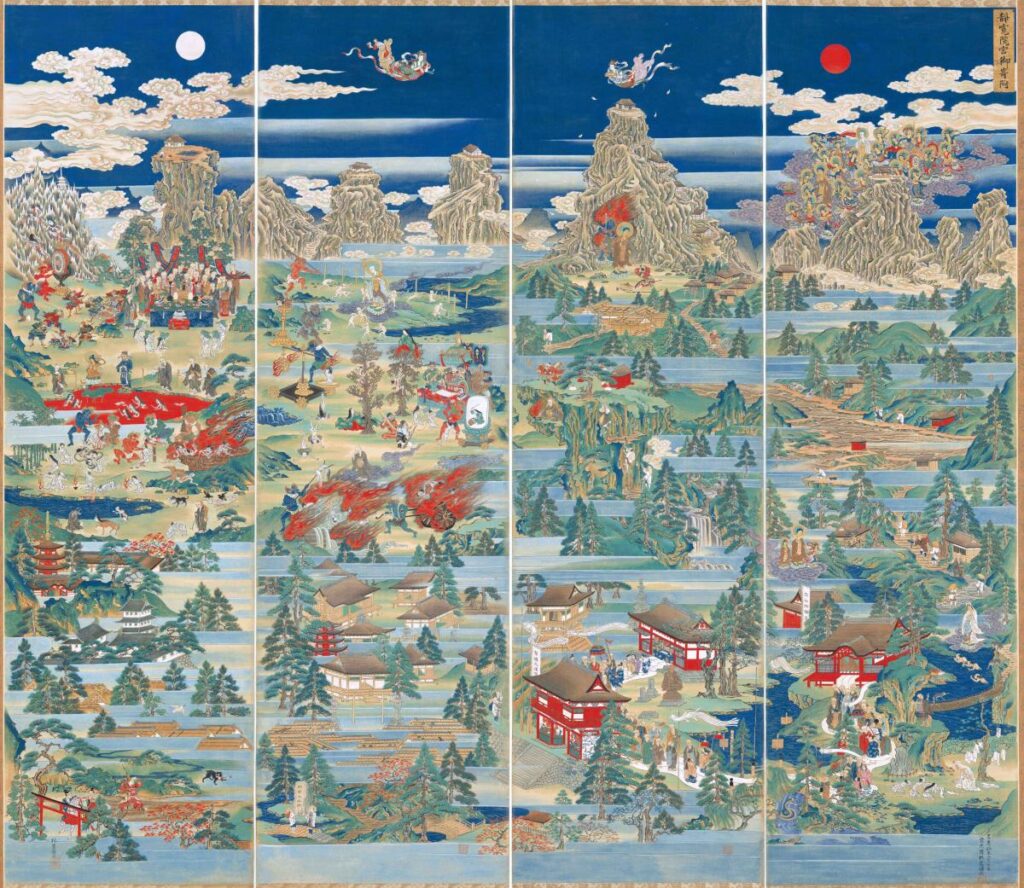
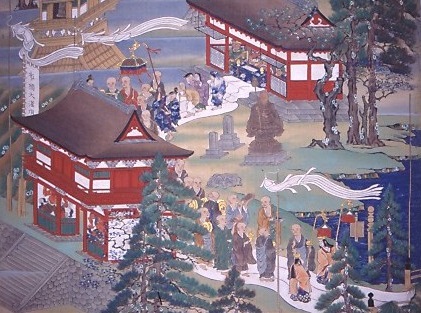
The Tateyama Mandala is a religious painting created to spread faith in Mount Tateyama and encourage pilgrimage to the sacred peak. About 54 are known today, most from the Edo period (1603–1868), with 11 designated as Important Tangible Folk Cultural Properties.
In the past, priests from Ashikuraji and Iwakuraji carried these paintings to villages during the farming off-season. They hung them in homes or temples and used etoki—storytelling through pictures—to share the teachings and wonders of Tateyama.
Originally made as large foldable paper panels, the mandalas later evolved into scroll paintings, easier to carry and display. Many surviving examples are sets of four scrolls forming one grand scene, though others vary in number and design.
No two mandalas are exactly alike. Each has its own subtle differences—an enduring mystery that continues to fascinate scholars and viewers alike.
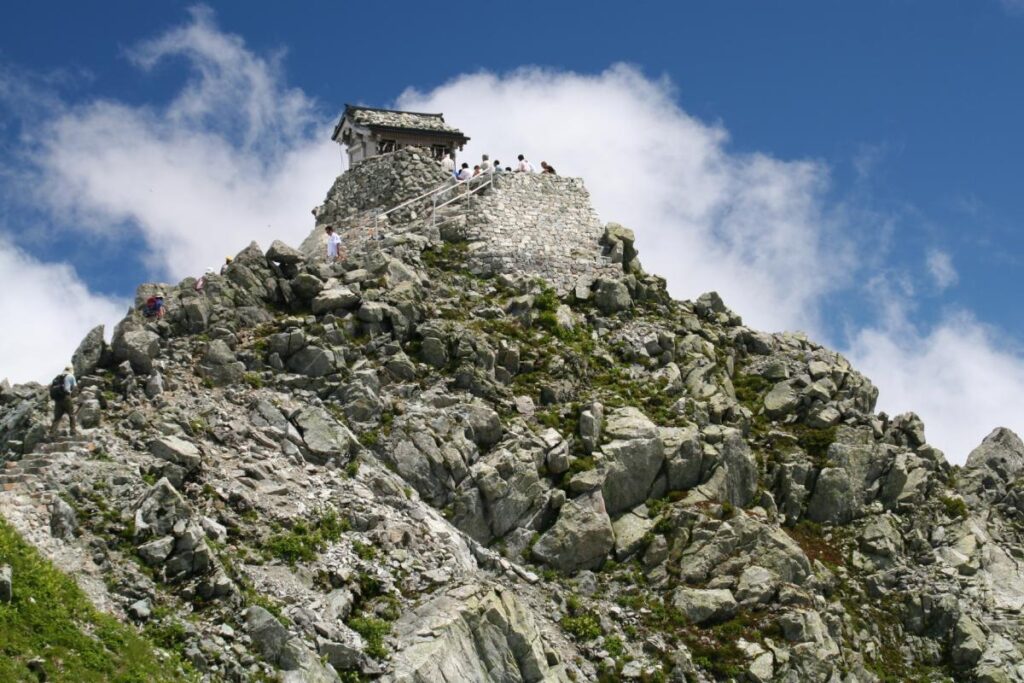
The Tateyama Mandalas bring the sacred mountain range vividly to life. Blending legend, Buddhist cosmology, and local ritual, they portray Tateyama as both a place of fearsome trials and a gateway to salvation. Through five central motifs—from the opening legend of the mountain to visions of hell and paradise, pilgrimage landmarks, and the dramatic Nunobashi ritual—the mandalas invite viewers into a spiritual landscape where the earthly and the divine meet.
The Five Motifs of the Tateyama Mandala
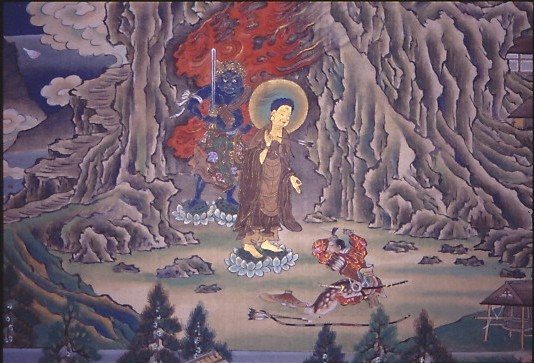
1. The Opening Legend
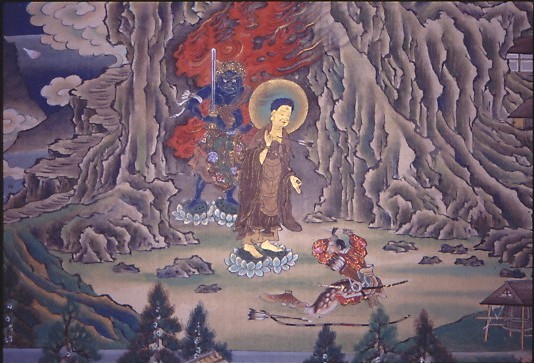
A boy chasing his father’s white hawk met a bear in the mountains. The bear revealed itself as Amida Buddha, inspiring him to become a monk and open Tateyama as a sacred site.
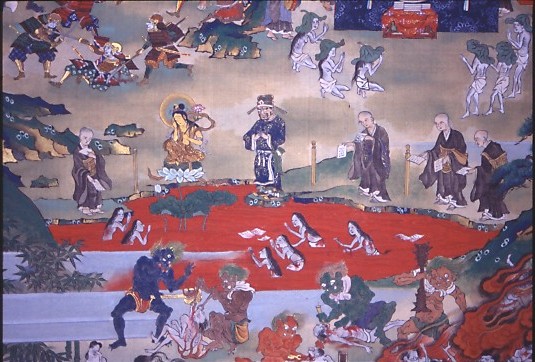
2. The Hells of Tateyama
Fiery valleys and the palace of King Enma illustrate the terrifying underworld said to lie within Tateyama’s depths.
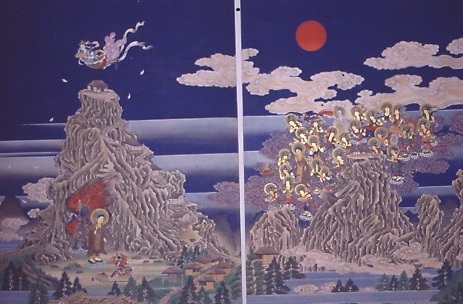
3. The Pure Land
From Mt. Jōdo, Amida Buddha and a host of bodhisattvas descend in a radiant vision of salvation.
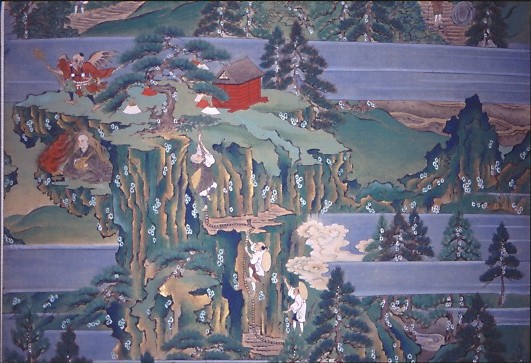
4. Pilgrimage Landmarks
Famous sites along Tateyama’s ancient pilgrimage route, where monks and worshippers sought spiritual awakening.
5. The Nunobashi Ritual
Held each autumn at Ashikuraji village, women crossed the “Cloth Bridge” in a powerful rite of rebirth and salvation.
The Distinctive Nature of Tateyama Faith in Etoki
Priests of Tateyama used mandalas in a storytelling performance called etoki (“pictorial explanation”). At their preaching sites, they narrated tales such as the Legend of Tateyama’s Opening, the Hells and Pure Land of Tateyama, famous pilgrimage landmarks (told mainly by Iwakuraji priests), and the Nunobashi ritual (told mainly by Ashikuraji priests). Through these vivid performances, people across Japan were inspired to make pilgrimages to Tateyama.
By the late Edo period, however, the content of etoki varied widely from one temple lodge to another. Concerned that this caused confusion, a monk named Gensei of Enmei-in at Iwakuraji compiled a script in 1854 to standardize the practice.This suggests that differences in etoki traditions were reflected in the imagery of the mandalas themselves. In this way, the Tateyama Mandalas serve today as invaluable records of the rich spiritual culture of Edo-period Tateyama faith.
In our next installment, we will take a time-traveling journey back to the Nara period (710-794)to explore the early world of Tateyama faith. I hope you’ll continue to follow along.
Written by Yasuhiko Takano, Director of the Toyama Prefectural Tateyama Museum◎ If you’d like to learn more about Tateyama Mandalas, we recommend the illustrated catalog New Comprehensive Guide to Tateyama Mandalas (144 pages, full color, Yen1,800 plus shipping). For purchase details, please contact the Tateyama Museum.
#https://www.yamanohi.net
#Toyama Prefectural Tateyama Museum
# Mandala#Mountain Faith
