Foreign-born Leaders Revitalizing Japan’s Rural Mountain Communities
From a Himalayan Village to Rural Japan
Introduction
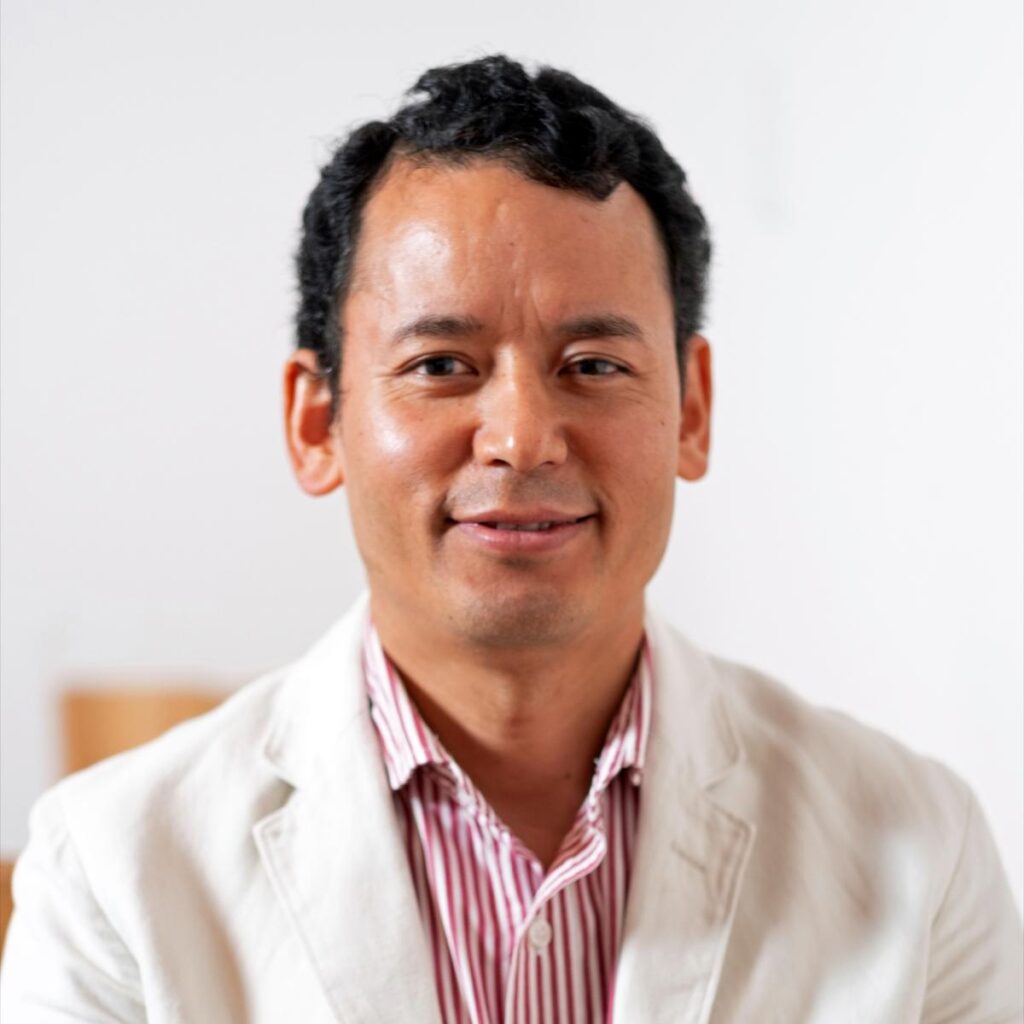
Born in a small mountain village in Nepal, Dhalma Lama never imagined that one day he would become the successor to a Japanese farming enterprise.
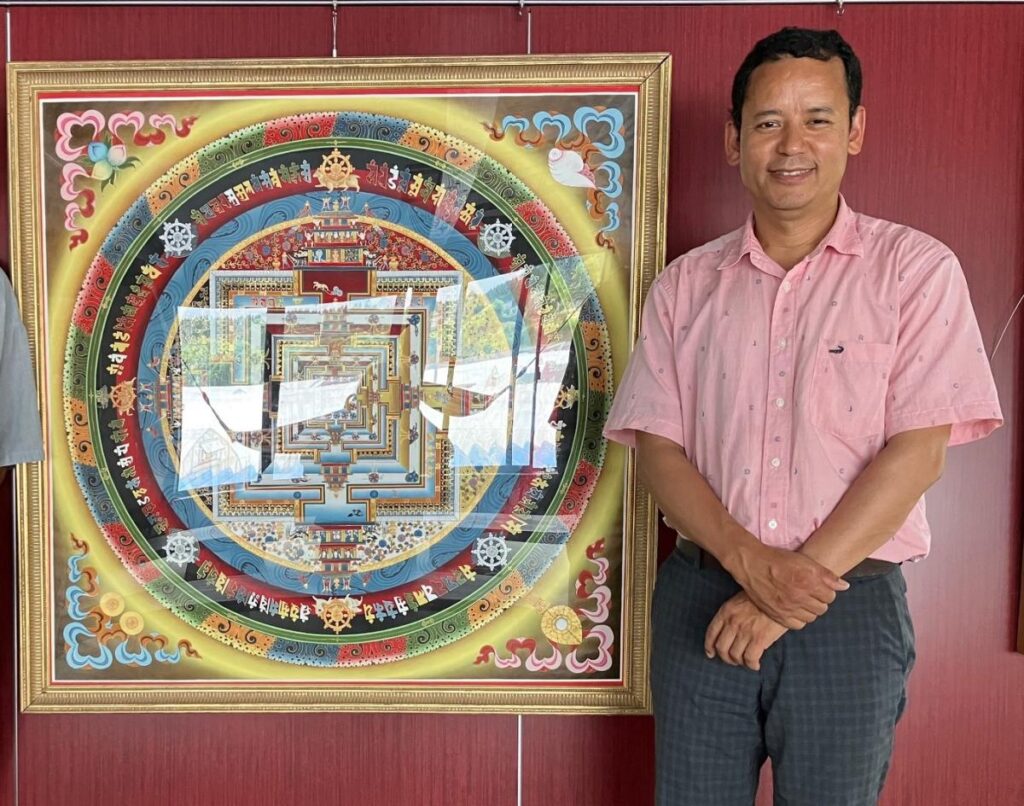
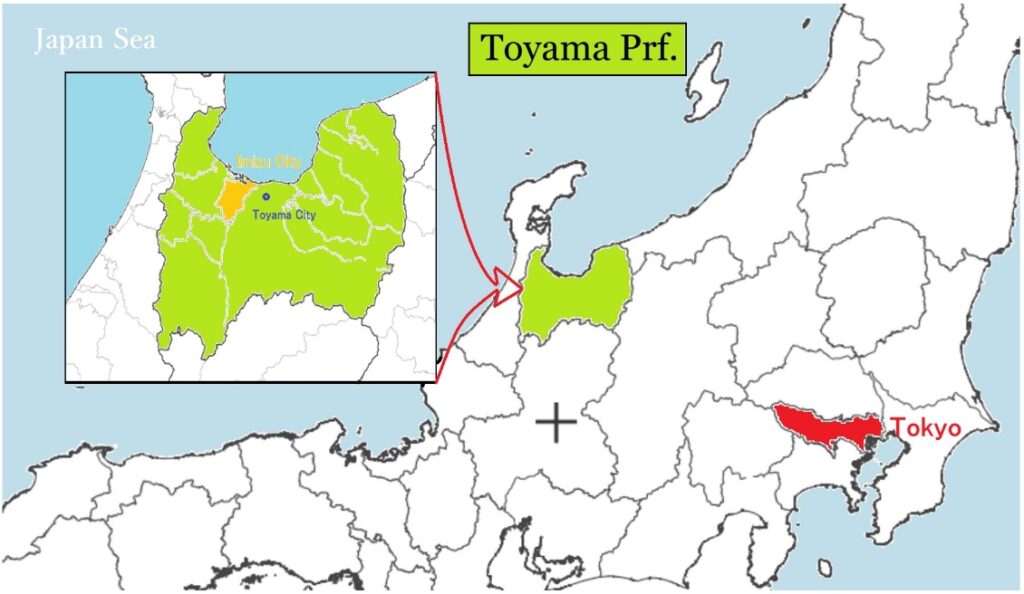
After moving to Japan in 2005 with his Japanese wife, Dhalma struggled to find a stable livelihood as a traditional Buddhist tanka painter. It was through an unexpected part-time job at a vegetable farm in rural Toyama Prefecture that his life took a decisive turn.
Recognized for his diligence and leadership, Dhalma was eventually asked to take over the management of a local komatsuna (Japanese mustard spinach) farm that faced closure due to the lack of a successor.
Today, he leads a multicultural team of more than a dozen employees and manages an agricultural enterprise that connects Japan’s rural mountain communities with global markets— while also supporting community revitalization projects in his native mountain villages of Nepal.This six-part series traces Dhalma’s journey from the hills of Nepal to the fields of Japan, exploring how migration, agriculture, and mountain livelihoods intersect in an increasingly interconnected world.
Story byKatsuhiko Kano
Professor Emeritus of Cultural Anthropology, Kanazawa University
Member of the Scientific Committee, Japan Mountain Day Foundation
About the Author
Professor Emeritus – Kanazawa University Katsuhiko Kano is a cultural anthropologist whose primary fieldwork has focused on Nepal and Himalayan Mountain communities.
Having conducted extensive research on rural livelihoods, migration, and community resilience in mountain regions, he brings an interdisciplinary perspective to the challenges facing Japan’s aging rural and forest communities.
Episode 1 :From a Mountain Village in Nepal
Dhalma Lama’s Journey to Rural Japan
I first met Dhalma Lama in Kathmandu in November 2016, one year after Nepal was struck by two devastating earthquakes that caused widespread destruction across the country.
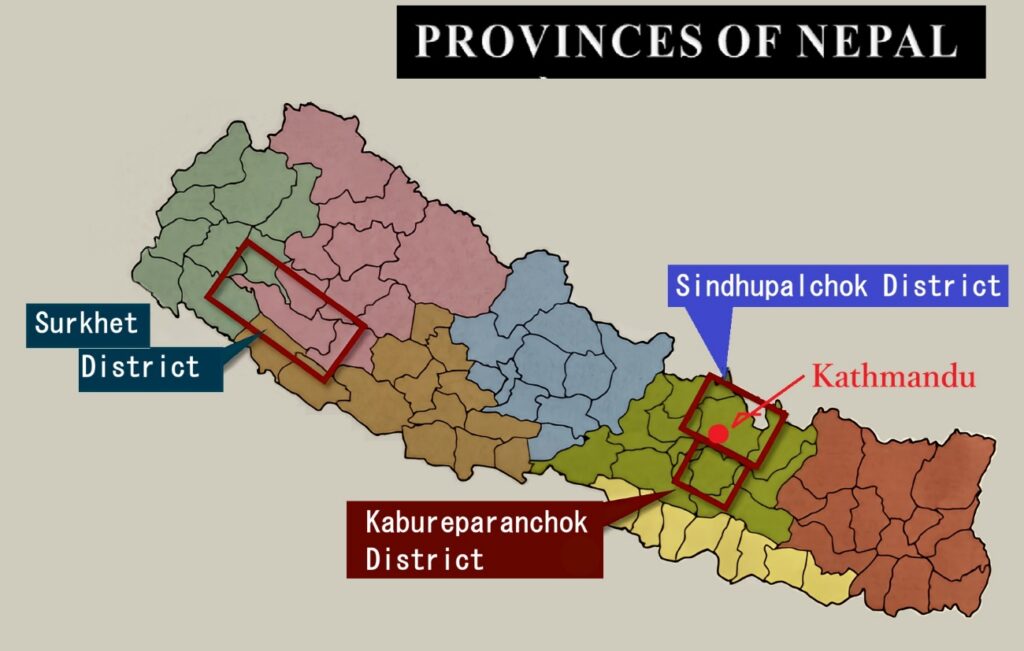
While international aid was directed primarily toward the capital and major tourist regions such as the Everest area, many rural mountain communities — including Dhalma’s home district in eastern Nepal — received far less attention due to limited infrastructure and accessibility.
It was during a field visit organized by a Toyama-based NGO engaged in long-term recovery support that I encountered Dhalma, who had already been living in Japan for over a decade.Born in 1985 in Sindhupalchok District, a mountainous region located east of Kathmandu, Dhalma grew up in a Tamang community belonging to the Tibetan Buddhist tradition. Coming from a lineage of monks, he learned the traditional art of tanka painting from an early age.
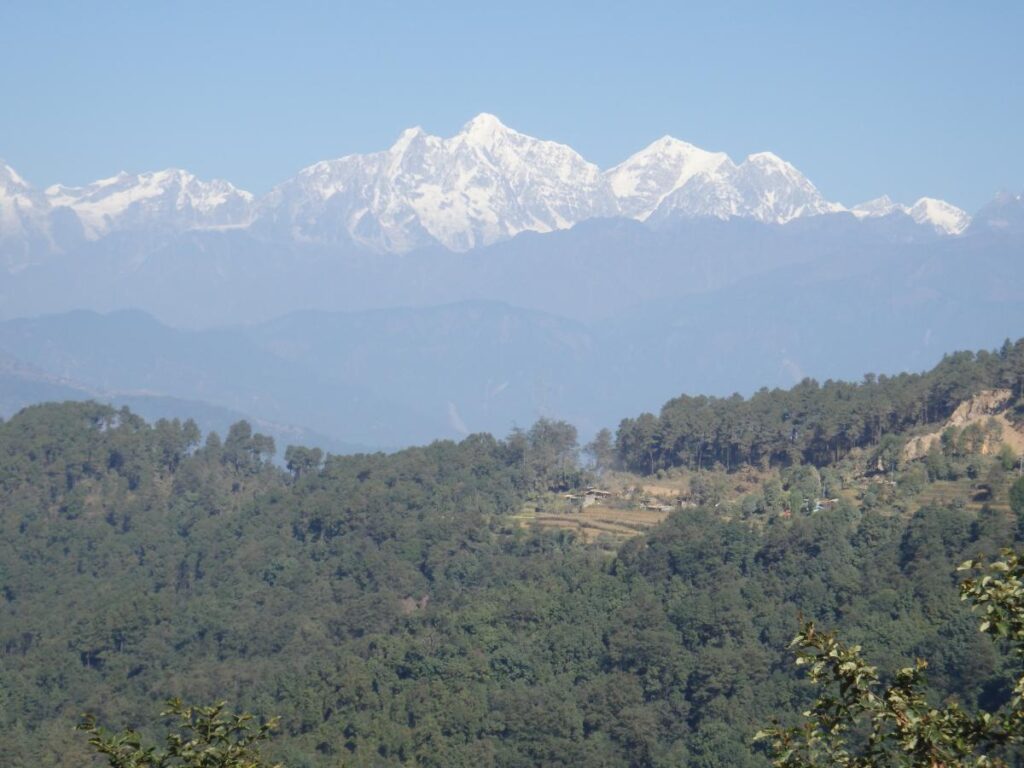
However, guided by his father’s belief that younger generations should pursue formal education, Dhalma enrolled in university in Kathmandu, majoring in economics. To support himself during his studies, he taught Buddhist painting to tourists — an experience that eventually led him to meet his future wife from Japan.
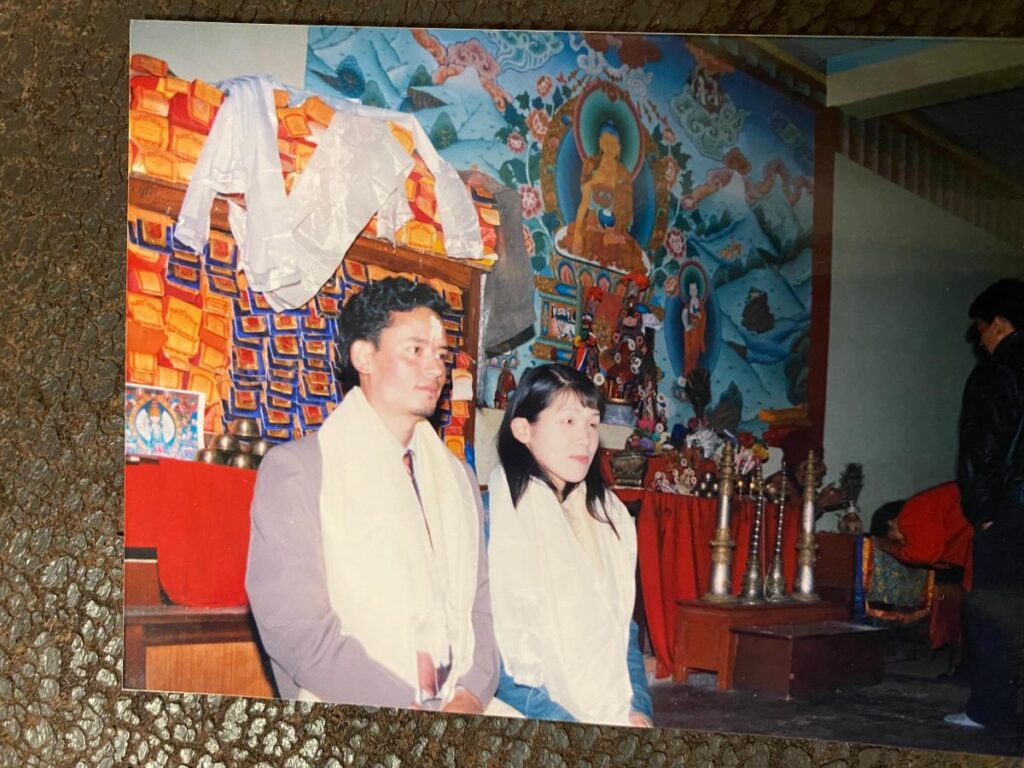
Following the birth of their first child, the couple decided to move to Japan in 2005 so that their children could receive their education there. They settled in Toyama Prefecture, where Dhalma would begin a new chapter of his life.
Related Topics
- Migration and Rural Succession
- Labor Shortages in Mountain Communities
- Foreign-born Leaders in Local Economies
- Multicultural Workforce in Rural Japan
- Agricultural Continuity in Aging Societies
Learn More
This episode explores how migration intersects with succession challenges in aging rural mountain communities, where the continuity of agriculture increasingly depends on new forms of leadership and international human mobility.
Related initiatives can be found in:
- Rural Community Revitalization
- Sustainable Mountain Livelihoods
- Cross-cultural Integration in Local Economies
- Japan Mountain Day Foundation – Homepage
Series Overview:
Why This Matters for Policy
This six-part series presents a case study of how foreign-born leadership can contribute to rural revitalization in mountain communities through agriculture, cultural exchange, and transnational collaboration.
The initiative addresses key policy challenges related to:
- labor shortages in rural areas
- agricultural succession
- sustainable mountain livelihoods
international cooperation in regional development