
Learning from the Forest
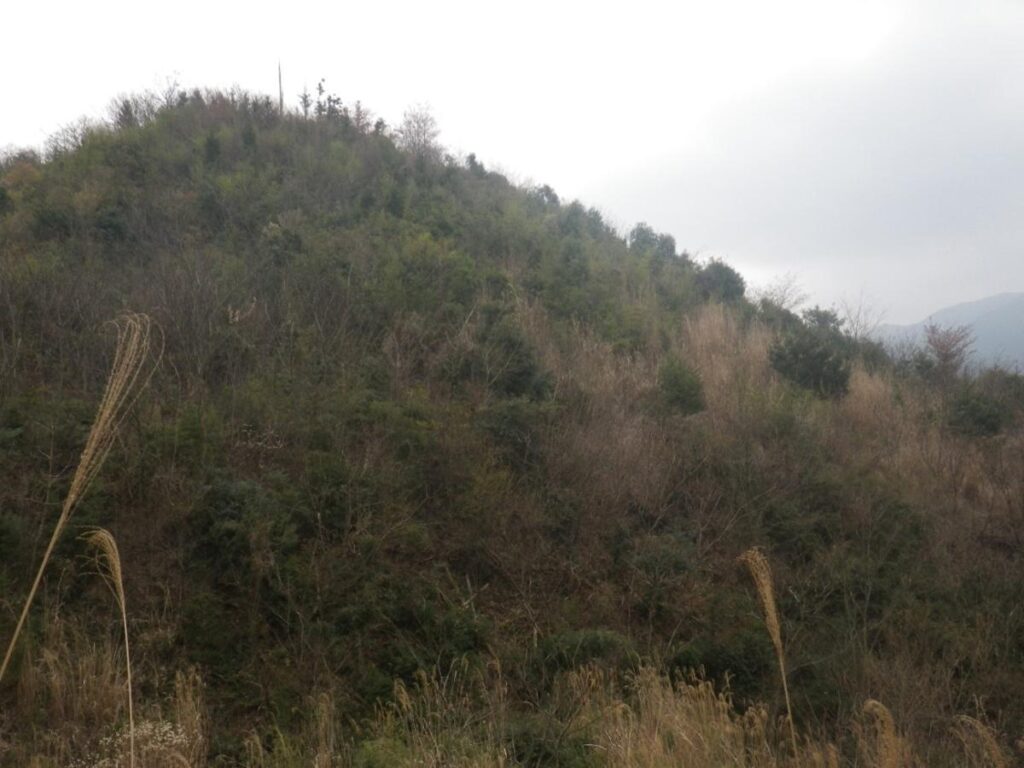
Ten years after intensive planting and maintenance began in the Kawauchi Millennium Forest, we asked a simple question: What had the forest become?
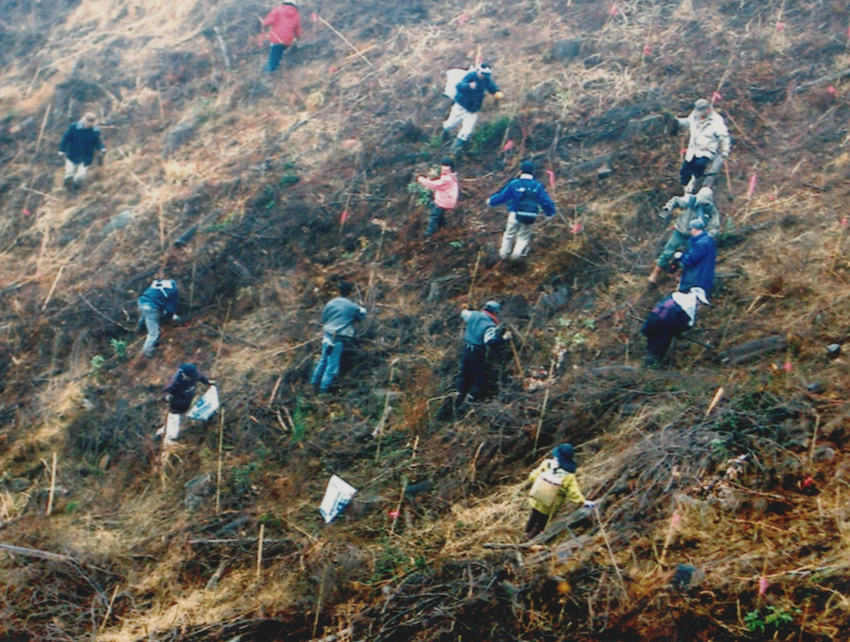
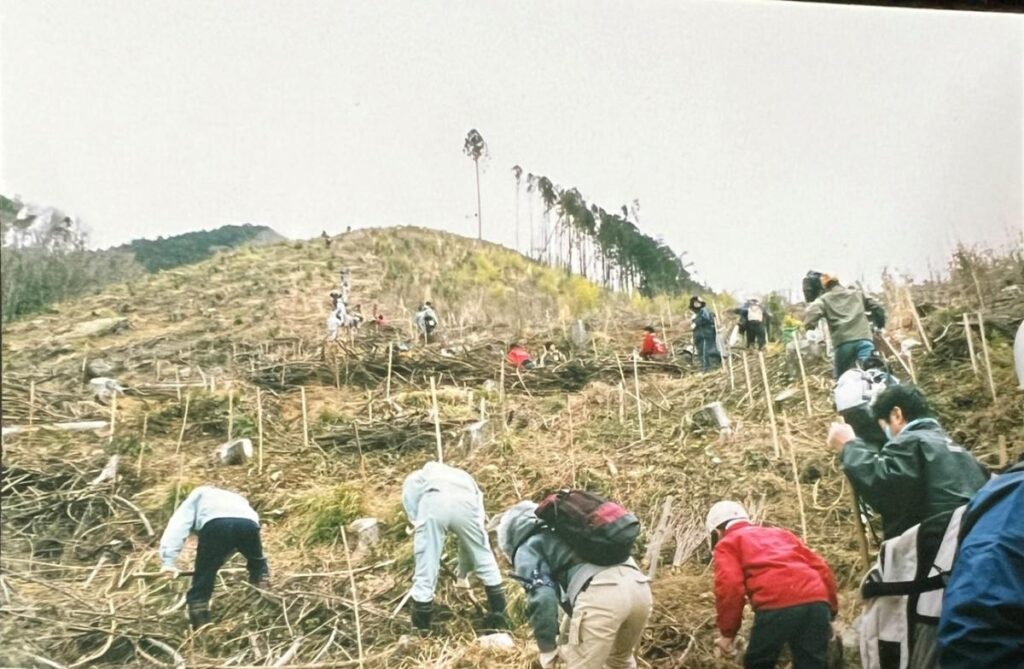
In 2014, after years spent preparing the land, planting trees, clearing undergrowth, and cutting vines across seven hectares of the ten-hectare site, we commissioned a professional forest survey.
At the time, I carried a sense of unease. Maintenance had not always been as thorough as I wished. Yet the survey results surprised and reassured me. The forest was described as “a good forest,” already developing rich biodiversity. Even when our human efforts had been limited, natural processes had continued to nurture the land. This realization brought both encouragement and relief.Ten years later, in 2024, we asked the same researcher to return. The second survey, focusing explicitly on the monitoring of broadleaf forests regenerating on former conifer clear-cut sites, reflected a deeper and more focused understanding than the first. Our questions had matured, and so had the forest.

Learning Through Science and Education
Between these two surveys, my own thinking underwent a significant transformation. From 2015 to 2018, I was involved in developing national high school curriculum guidelines in forestry, covering forest science, forest management, and forest product utilization. From 2019 to 2021, I authored the high school textbook Forest Science.
These years became a period of intensive learning for me. During the textbook’s preparation, I received frequent guidance from Professor Takao Fujimori, a leading forest ecologist. His advice was clear: forest ecosystem functions and services must be explained as a coherent story—one that shows how they can be harmoniously realized through appropriate management, and what kinds of technologies, human resources, and policies are needed to support them.While writing under strict deadlines, I often found myself watching ripe apricots fall from the single tree in our yard, slowly decaying in the terraced rice fields below. That quiet image became inseparable from my understanding of time, cycles, and patience in both forests and human learning.
Clarifying the Goal
The insights gained through study and practice gradually crystallized into a clear direction for the Millennium Forest. Our ultimate target forest type would be a natural forest. We defined our objective as the conversion of clear-cut sugi (Japanese cedar) and hinoki (Japanese cypress) plantations into broadleaf forests.
As activities progressed, the forest was divided into eight zones, each with a provisional target: planted forest, semi-natural forest, or natural forest. This zoning allowed us to continue learning through long-term observation rather than fixed prescriptions.
At the conclusion of the survey report, the researchers noted that clear management guidelines for volunteer-led broadleaf forest creation remain largely undeveloped. In that context, they expressed respect for the Kawauchi Millennium Forest as a rare long-term experiment—one that continues through trial and error under diverse natural conditions.
What the Forest Teaches
Part 2 marks a shift from doing to learning.
The forest is no longer something we shape alone; it is something that responds, teaches, and quietly corrects us over time. Through observation, study, and humility, the Millennium Forest has become not only a site of restoration, but a living classroom—one that continues to deepen our understanding of forests, people, and the long arc of coexistence between them.
# Prof Takeo Tsurumi PhD, (retired)
# Ehime Prefecture
