
Mountains and Disaster Preparedness
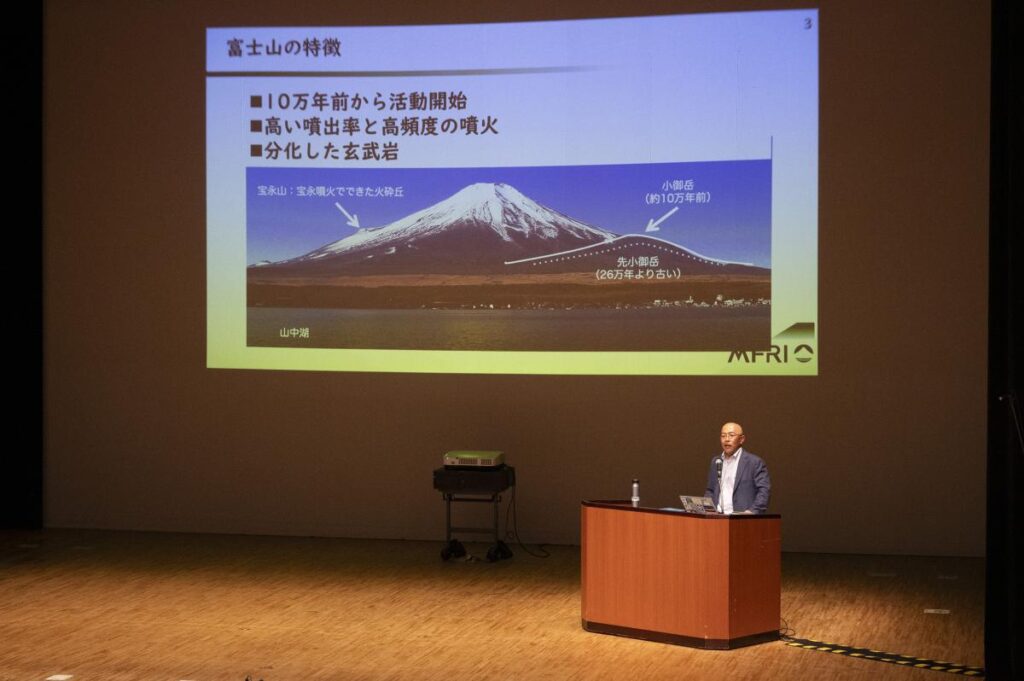
On 4 December 2025, the 7th National “Mountain Day” Forum, themed “Mountains and Disaster Preparedness,” was held in Shinjuku, Tokyo, organized by the Japan Mountain Day Foundation.
Japan is widely recognized as a country highly exposed to natural hazards. Approximately 7 percent of the world’s active volcanoes are located in Japan, and the country also faces growing risks from earthquakes and climate such as heavy rainfall and typhoons. At the same time, these powerful natural forces shape Japan’s mountain landscapes and provide essential benefits such as water resources, geothermal energy, and rich ecosystems that support daily life.
Against this backdrop, the forum explored a central question:
How should people living in and downstream of mountain regions understand disaster risks, and how can they better prepare to protect lives?
Speakers from science, medical practice, and disaster-response fields shared insights based on research, frontline medical practice, and firsthand experience. Topics included,
– the potential risks of a major Mount Fuji eruption, – emergency support led by volunteer organizations, – lessons from the Nepal earthquake, – the activities of DMAT (Disaster Medical Assistance Teams
Discussions also highlighted how outdoor and mountaineering experience can be applied to everyday disaster preparedness, as well as the increasing severity of weather-related disasters under climate change.
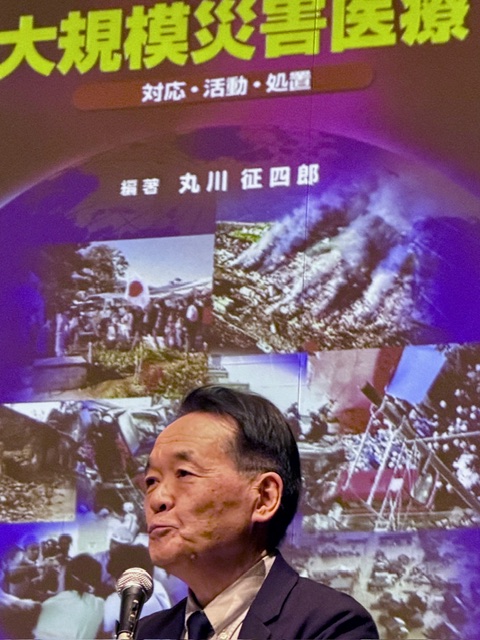
Across all sessions, two key messages were emphasized: personal preparedness is essential, and experience gained through engagement with mountains and nature is practical knowledge that can save lives.
The forum reminded participants that disaster preparedness is not extraordinary, but an integral part of everyday life in a mountainous country like Japan, and reaffirmed the importance of connecting mountains, people, and preparedness to build a more resilient society.
