
This Millennium Forest did not begin as a project.
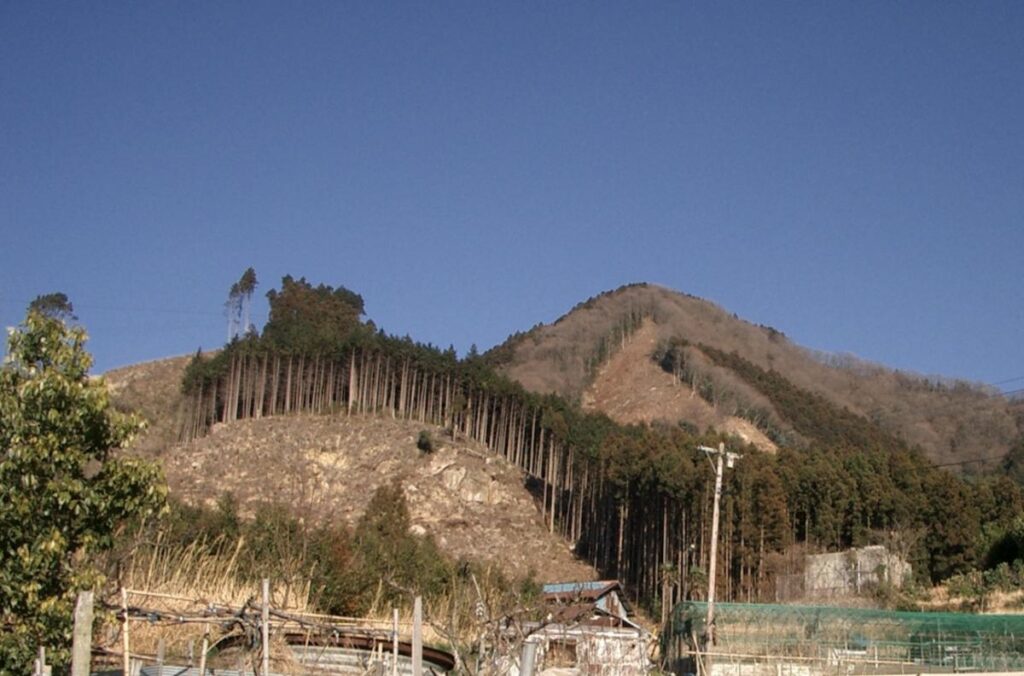
It began with one person standing before a clear-cut hillside,
asking how a human being should relate to nature—
and over what span of time.
Rather than seeking quick answers,
or attempting to control outcomes,
a simple choice was made:
to plant trees, and to entrust time to nature.
A forest does not respond immediately.
Yet to those who continue to stand with their questions,
it eventually begins to speak—quietly, through its form.A Millennium Forest is not only an act of reforestation.
It is a place where one learns, over a lifetime,
what it means for humans to live alongside nature.
Life Devoted to Forest Creation
In this three-part essay series, Takeo Tsurumi reflects on a life devoted to forest creation—
a journey shaped not by a single project, but by decades of quiet commitment to land, time, and learning from nature.
Born in 1946 to parents who returned to Japan from Manchuria after the Second World War, Tsurumi grew up in a postwar reclamation village, where life was marked by material poverty and hardship. These early experiences formed a lifelong sensitivity to the relationship between human survival, land, and time.
Over nearly fifty years, he has continued to engage in forest creation as a personal, long-term practice rather than a short-term intervention—planting trees, observing change, and allowing natural processes to unfold beyond human control.
A former professor at Ehime University with a Ph.D. in Economics, Tsurumi’s work bridges lived experience, academic inquiry, and hands-on forest practice. Through the creation of the Millennium Forest, he has come to see forests not as resources to be managed for immediate results, but as teachers—revealing, over time, how humans might live more humbly and responsibly alongside nature.
Part 1 — Origins of the Thousand-Year Forest
In the late 20th century, while teaching at an agricultural high school in Chiba, I began helping a friend manage a small forest. One day I saw an industrial waste site in the mountains, leaking toxic liquid into a valley stream. I realized then: once nature is destroyed, it may take a thousand years to heal. From this conviction, the idea of creating a “Thousand-Year Forest” was born.
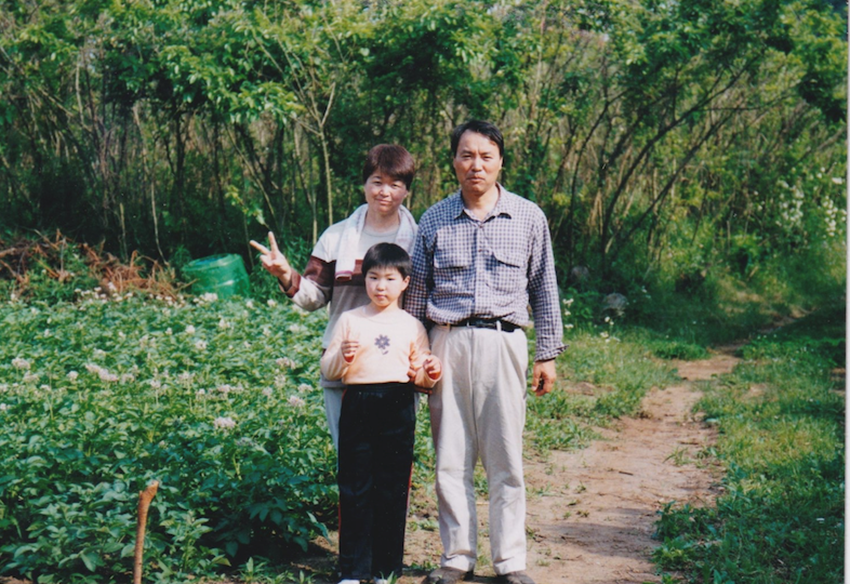
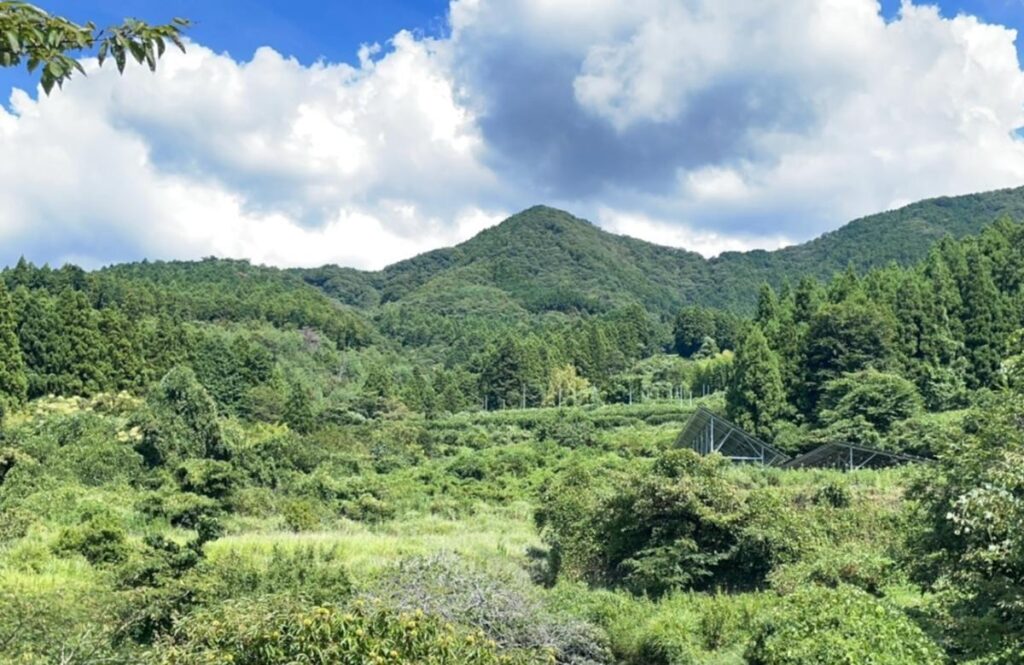
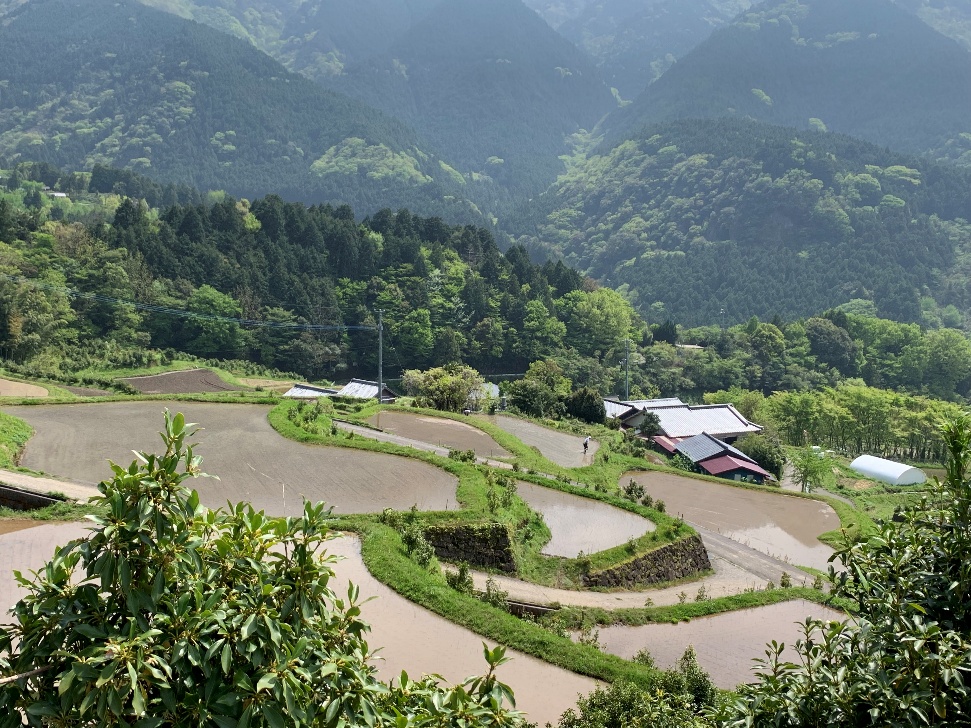
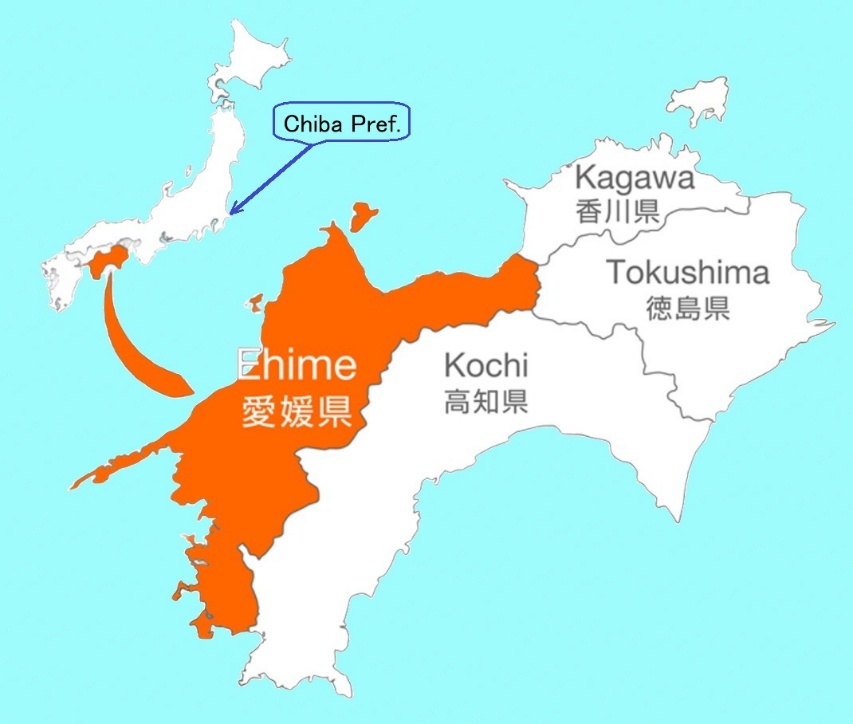
In 2000, I moved to Ehime Prefecture to take a university post. By chance, I purchased an old farmhouse in the terraced hills, where neighbors warmly welcomed my family and taught us how to cultivate rice. Soon after, I acquired six hectares of bare land nearby. For the first time, I had a place to plant freely, and together with volunteers we began restoring the mountain.
Over the years, we planted more than 9,000 broadleaf trees. Families joined to mark life events, children planted camellias as graduation memories, and couples planted trees for anniversaries. Each tree became more than a seedling; it carried human hopes and stories.What began as one professor’s personal commitment slowly grew into a community’s shared vision. The Thousand-Year Forest is not just a piece of land—it is a living symbol of care, resilience, and the belief that our actions today can shape a forest for generations a thousand
# Prof Takedo Tsurumi
# Reforestation
# Ehime Prefecture
